
Samsung Patents a Phone That Previews How Your Image Will Look on a Reflective Screen
Before your phone sends an image to a separate reflective screen — like an e-ink display — this system shows you exactly how it'll look under current lighting conditions, from your current position.
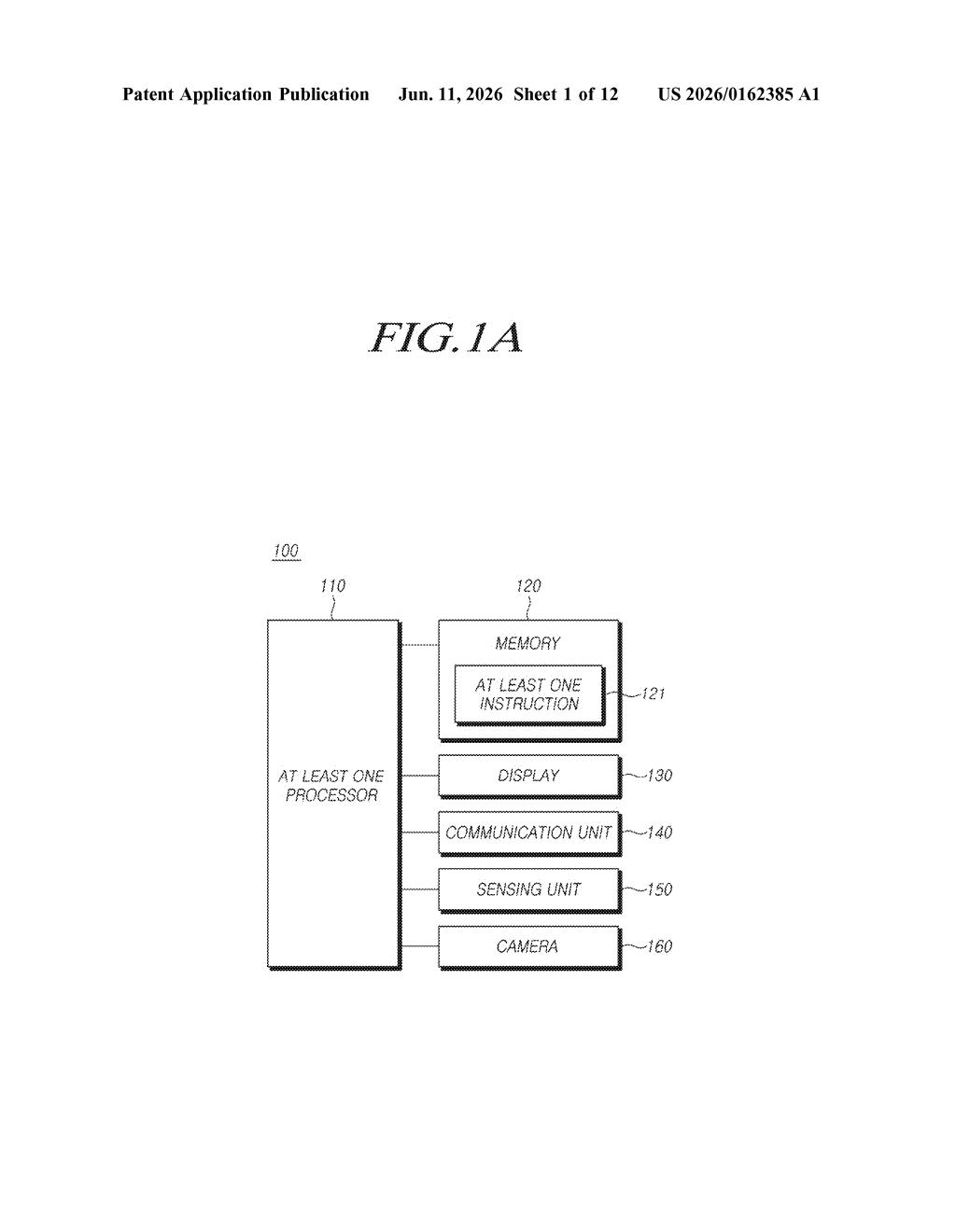
What Samsung's reflective display preview actually does
Imagine you have a second screen on your desk — maybe an e-ink digital photo frame or an e-paper price tag — and you're about to send an image to it from your phone. The problem: reflective screens don't light themselves up. They bounce ambient light back at the viewer, so the same image can look dramatically different in a bright office versus a dim bedroom, or depending on where you're standing.
Samsung's patent describes a phone that solves this by running a two-step preview before the image ever leaves your device. First, the phone processes your original photo into a version suited for a reflective display. Then, it factors in real-world data — how bright the room is, how far away the display is, and what angle you're viewing from — to simulate what the final result will actually look like. That simulation is what appears on your phone screen.
In short: what you see on your phone is what you'll get on the reflective screen, accounting for your specific environment. No more guessing.
How the two-stage image processing pipeline works
The patent describes a two-stage image processing system running on a host electronic device (your phone or tablet).
Stage one — intermediate image generation: The device takes an original image and performs a first round of processing to adapt it for a reflective display. Reflective displays (e-ink, e-paper, and similar technologies) render images very differently from self-lit OLED or LCD screens — they have limited color gamut, lower contrast, and no backlight — so this step reshapes the image accordingly.
Stage two — simulation rendering: The device then takes that intermediate image and layers in real-world context data:
- Ambient illuminance information — how bright or dim the surrounding light is (a key variable for reflective screens, which depend entirely on external light to be visible)
- Distance information — how far the reflective display is from the phone
- Directional information — the angle between the phone and the target display
The output of stage two is a simulation image — a rendering that approximates how the image will genuinely appear on the reflective screen given those specific environmental conditions. This simulation is then shown on the phone's own display, acting as a real-time, context-aware preview before any image is transmitted.
What this means for e-ink and reflective screen owners
Reflective displays are a growing category: e-ink photo frames, electronic shelf labels, e-paper signage, and some smartwatch faces all rely on reflected light. The core frustration with all of them is that you can't accurately judge an image on a self-lit phone screen before sending it — the two technologies render color and contrast so differently that surprises are common.
If Samsung builds this into Galaxy devices, it could meaningfully improve workflows for anyone managing e-ink displays — from retail environments updating digital price tags to consumers customizing an e-ink frame at home. It also signals that Samsung sees reflective displays as a category worth building dedicated tooling around, which may hint at its own forthcoming e-paper or hybrid-display hardware.
This is a genuinely useful, focused patent solving a real and underappreciated problem. The two-stage simulation approach is practical engineering, not a research moonshot. Whether it ships in a Galaxy feature or supports a future Samsung e-ink product is the more interesting question — but either way, the use case is real.
There are more where this came from
We read every patent application Big Tech publishes and send you the ones worth knowing. Plain English, free, every week.
Want this weekly breakdown for a company we don't cover? Patentlyze Pro →