What the filings show
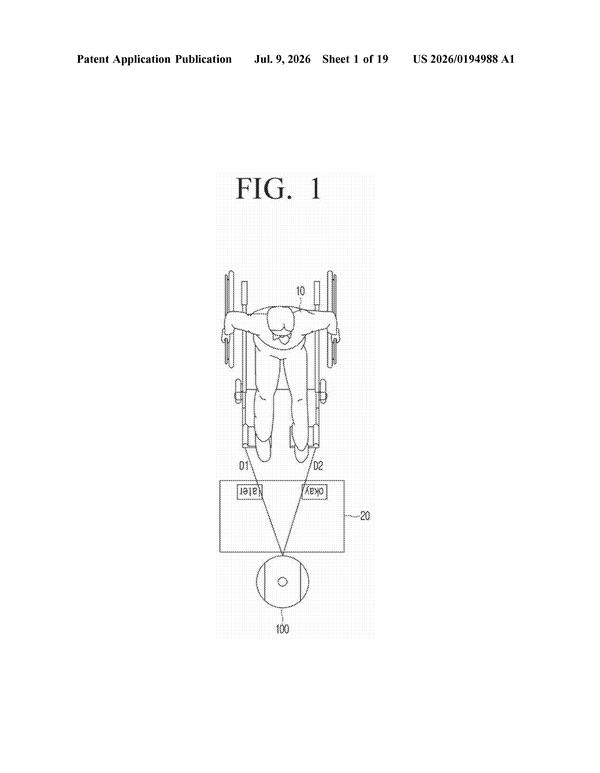
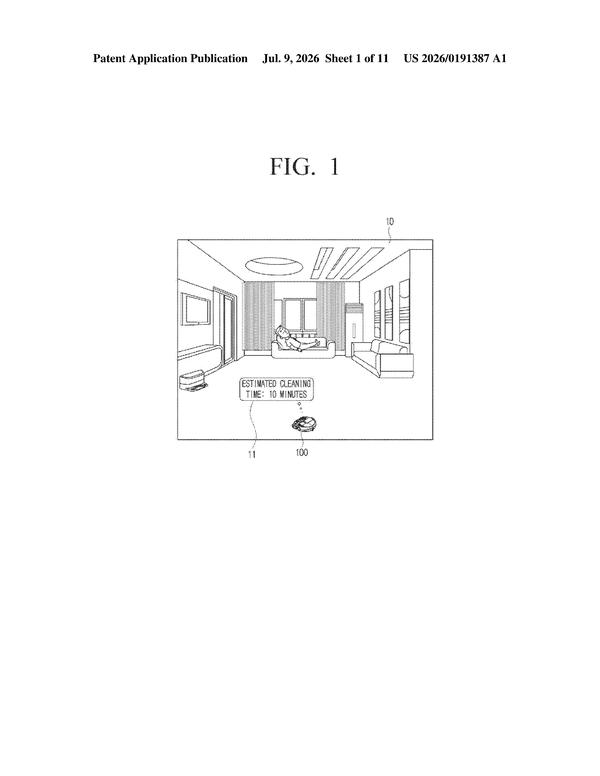
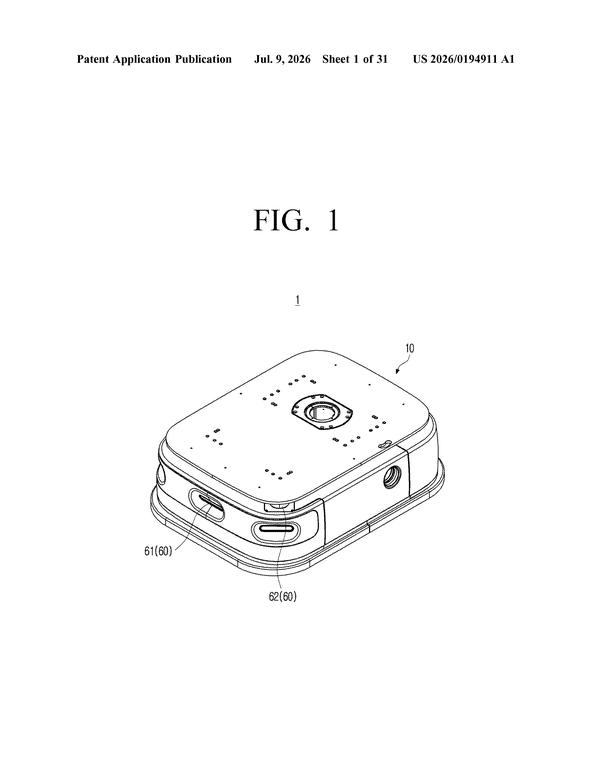
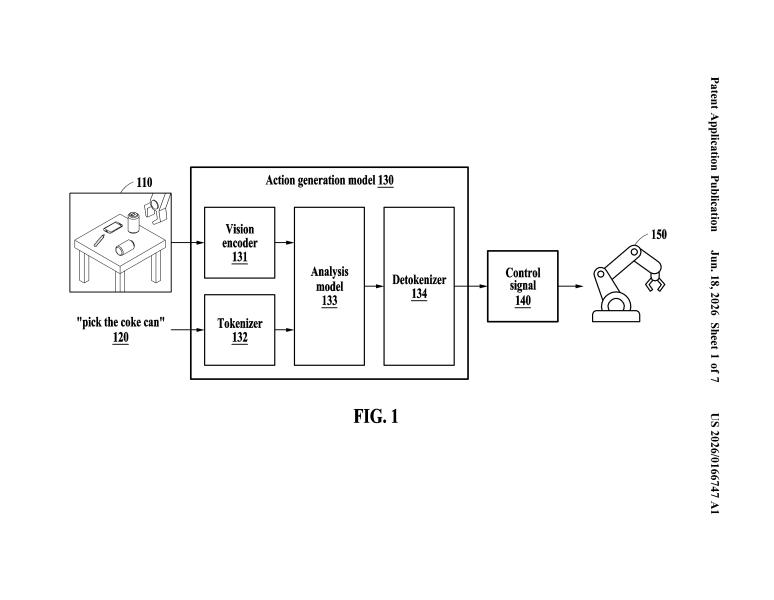
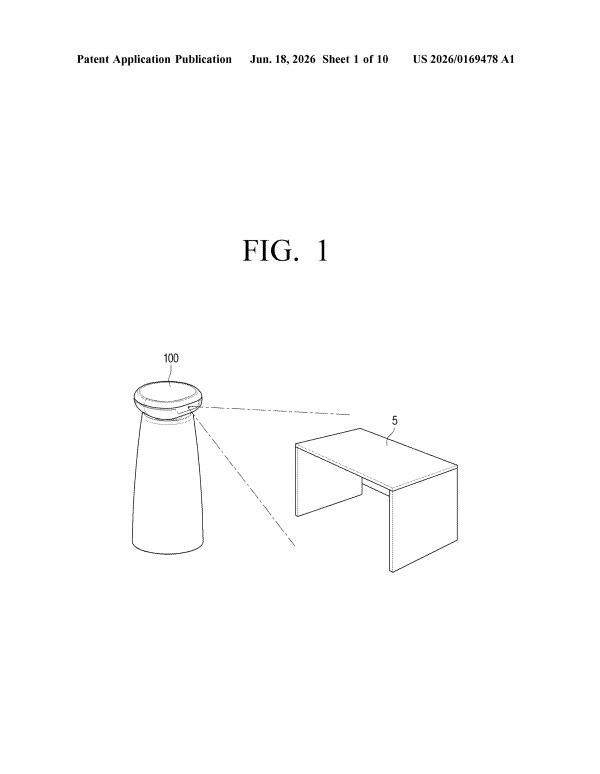
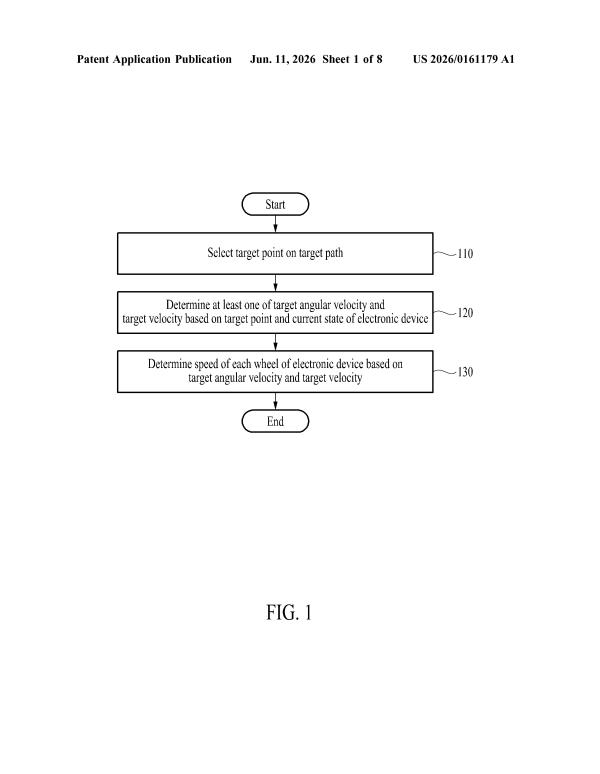
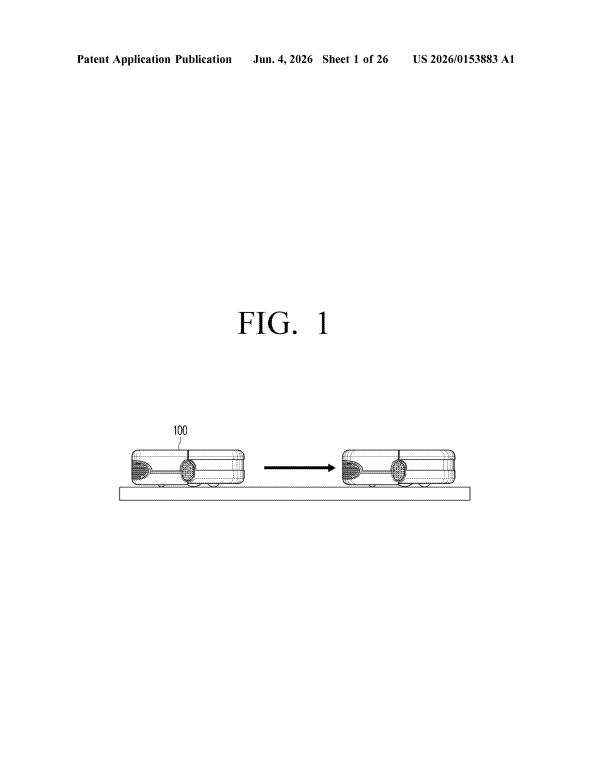
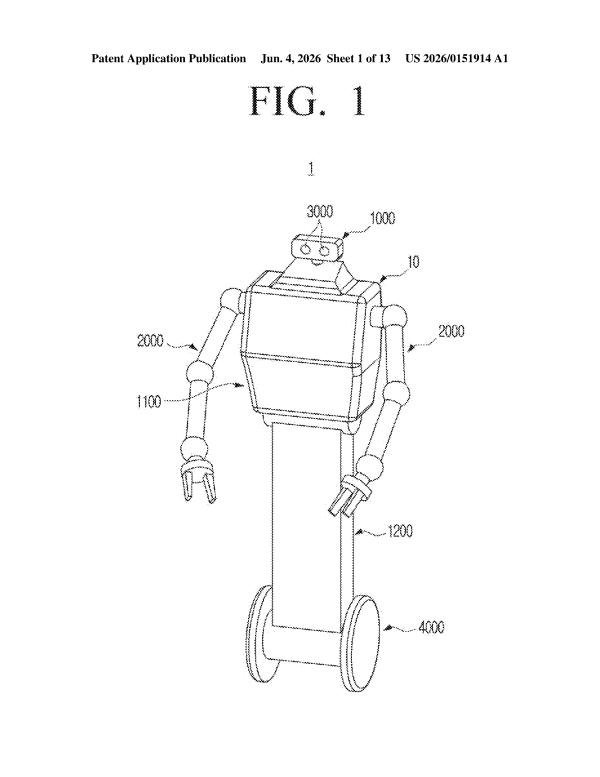
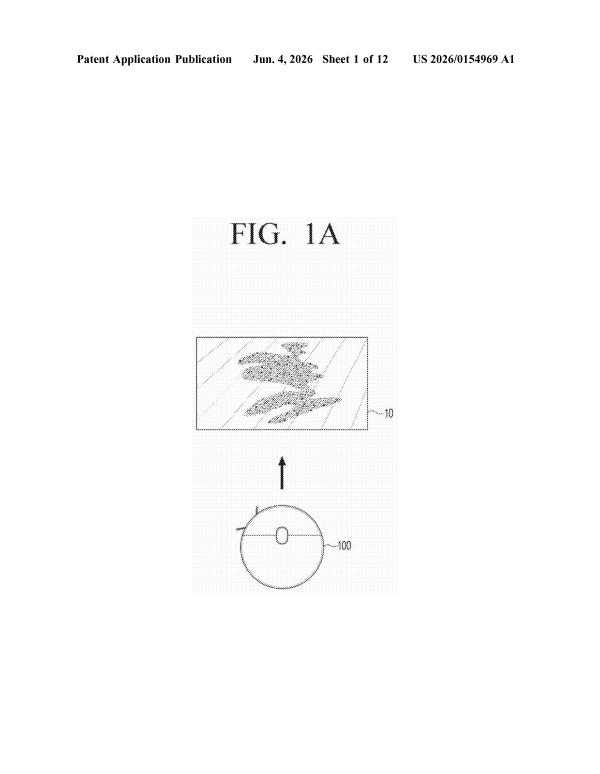
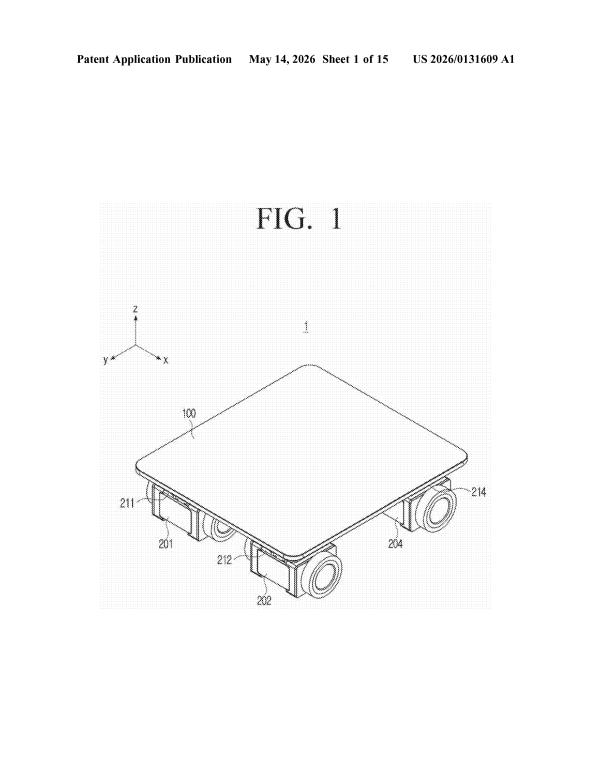
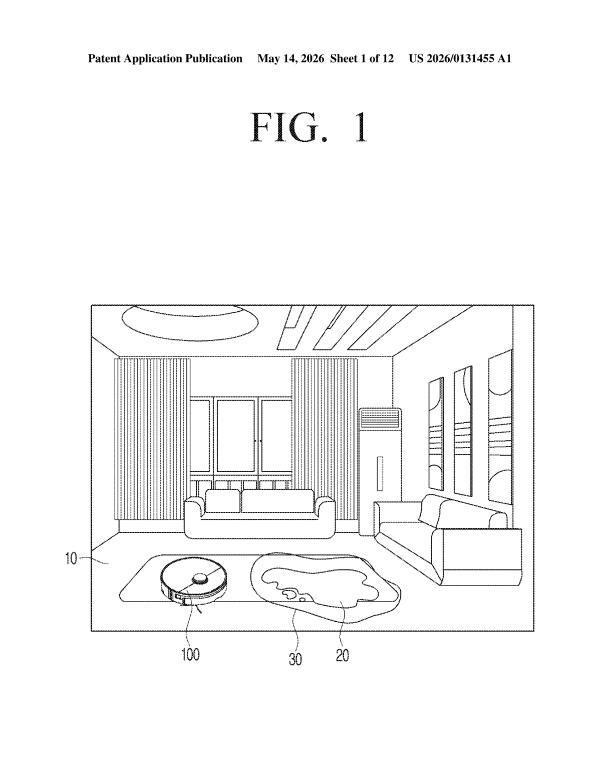
Many of these filings focus on how a robot moves and recovers on its own. Samsung describes a pivoting wheel-link system for staying upright on uneven floors, a two-stage braking method that eases off power once a robot has nearly stopped, and a design that lets a robot pick up its own sensor to see past an obstacle. Other patents put that mobility to work: a robot that finds and mops up spilled liquid, and a vacuum that checks whether it actually removed a stain instead of just moving past it.
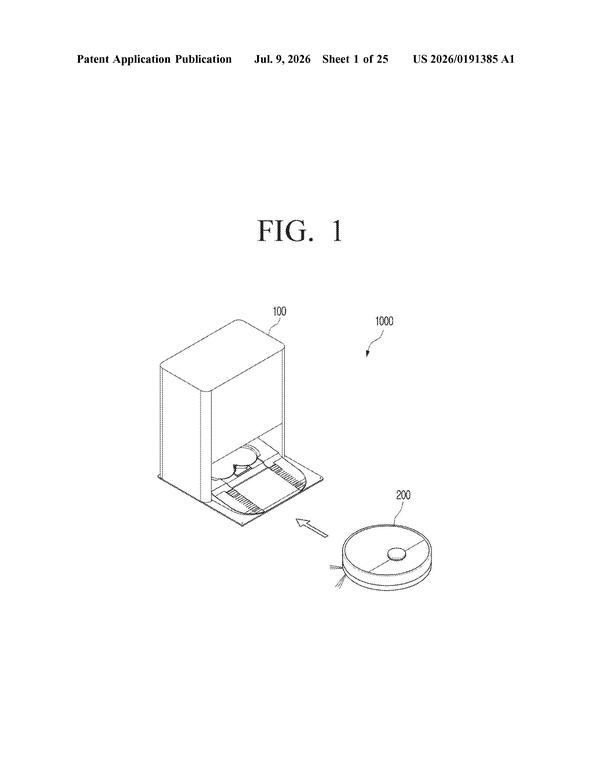
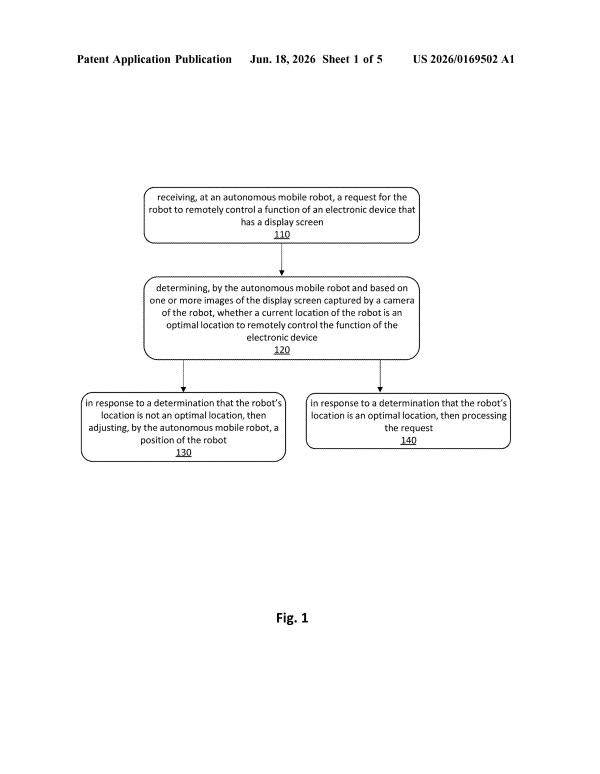
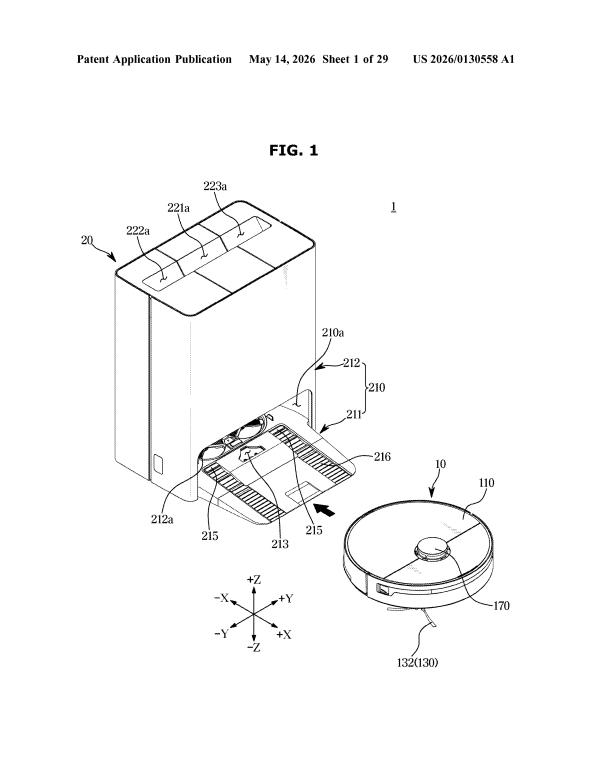
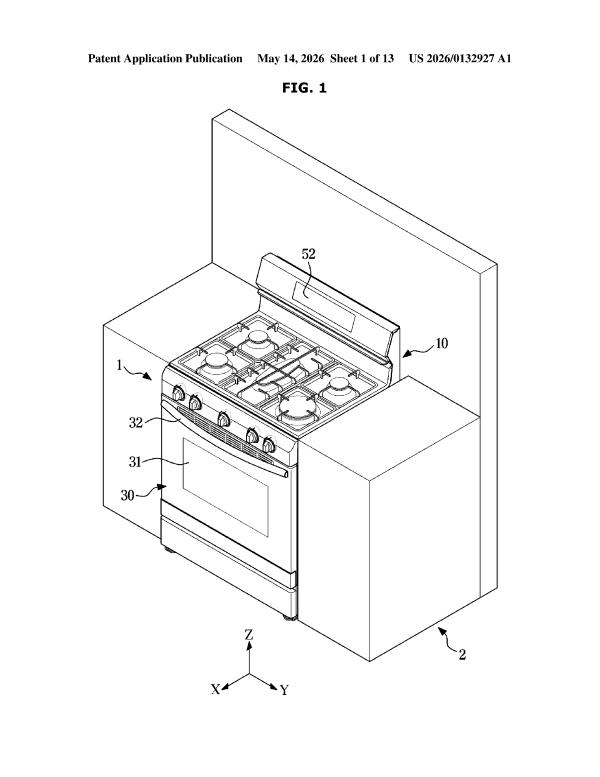
A second cluster deals with keeping appliances safe and low-maintenance. One patent adds voltage-sensing protection to gas cooking appliances so electrical spikes don't damage the ignition system. Another gives robot mop docking stations a way to descale themselves before limescale clogs the heating element. A gesture-based fallback lets people control a smart home when the usual controller goes unresponsive. Together these patents suggest Samsung is thinking about failure points as much as new features, building in backup plans for the moments when hardware wears down or a connection drops.
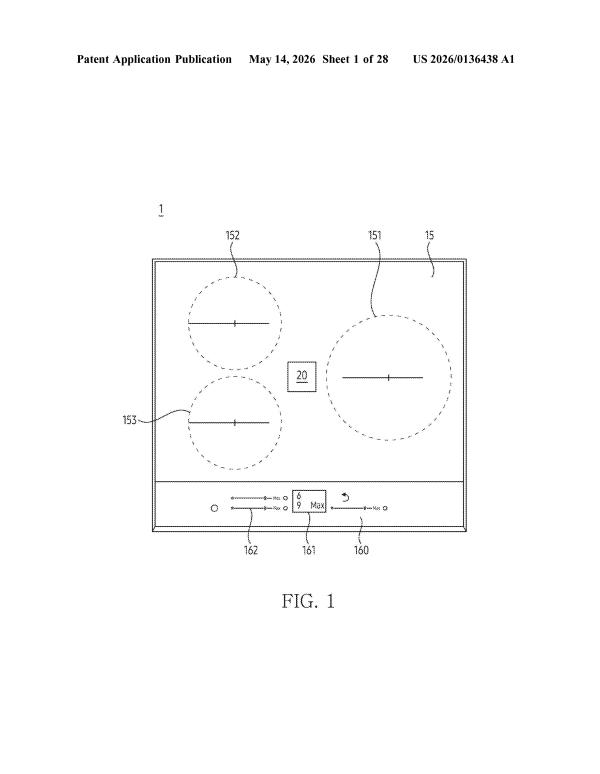
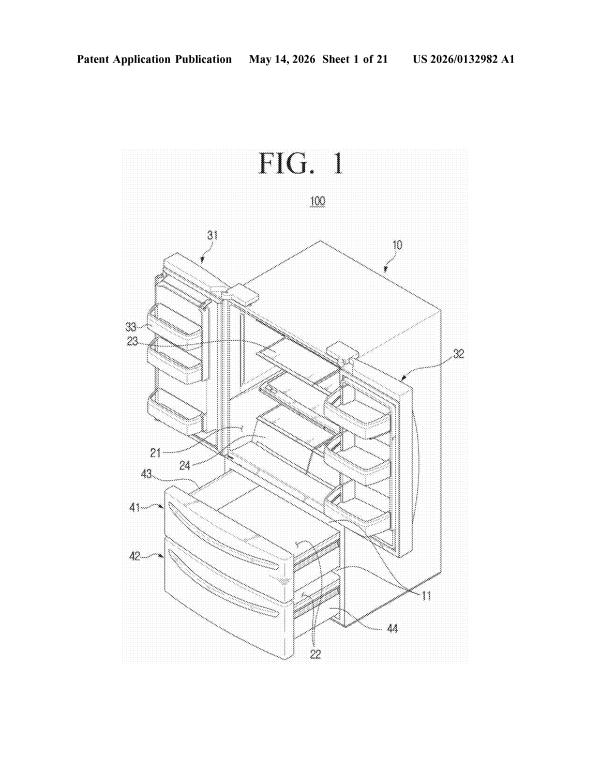
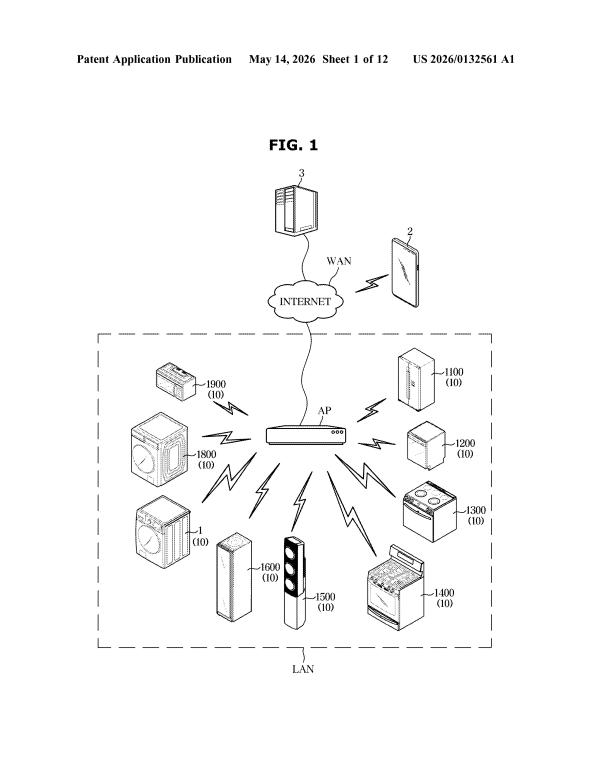
A third theme is appliances that sense conditions instead of relying on fixed settings: a washing machine that tracks water usage habits, an induction cooktop that detects boiling without a timer, and a freezer that changes its lighting based on which drawer opens. Read together, the filings point toward a home where machines notice more on their own and adjust. Readers should watch for filings that combine these threads, like a robot that both senses a mess and manages its own upkeep, since that pairing shows up more than once already.
Questions readers ask
Is Samsung actually building home robots, or is this just patents?
These are patent filings, not product announcements, so they show what Samsung's engineers are exploring rather than what's shipping soon. The filings describe working solutions to real problems, like a robot finding spills or bracing itself on uneven floors, which points to active research, but a patent alone doesn't guarantee a product will reach shelves.
What problems do Samsung's home robot patents solve?
The filings cluster around a few recurring problems: staying balanced and mobile on real floors, recovering when controls stop responding, protecting appliances from electrical or mineral damage, and getting appliances to sense conditions like boiling water or a full freezer drawer instead of relying on fixed settings.
Do these patents cover more than robots?
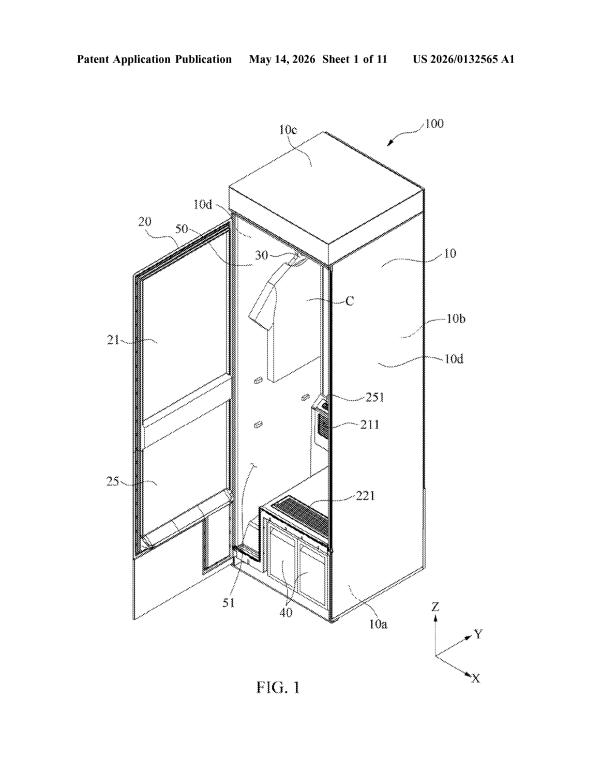
Yes. Alongside mobile robots like spill-cleaning bots and self-balancing designs, the storyline includes household appliances such as washing machines, induction cooktops, gas burners, freezers, and clothing care cabinets. The common link is machines that sense a condition and adjust their own behavior rather than waiting for a person to notice.
How often is this list updated?
This tracker adds new filings as Samsung publishes them, so the list grows over time rather than sitting fixed at one snapshot. We don't attach dates or promise a release schedule; check back for the latest additions to see how the pattern of filings develops.