
Samsung Patents a Way for Its AI Assistant to Know When You're Starting a New Topic
Every time you ask a voice assistant a follow-up question, it has to guess whether you're continuing the same thought or starting fresh. Samsung's new patent tries to make that decision automatic and accurate.
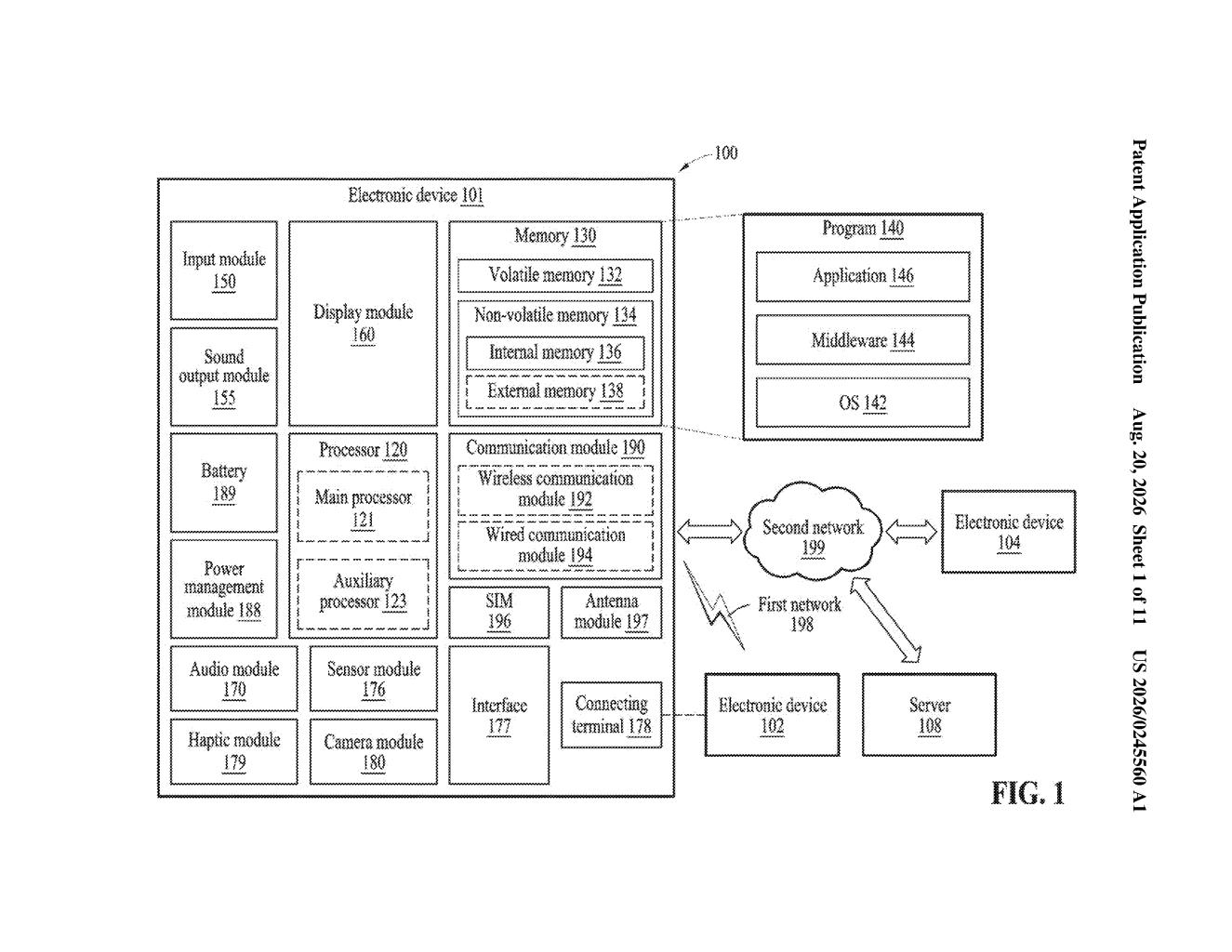
How Samsung's session-splitting assistant would work for you
Imagine you ask your phone's AI assistant for a dinner recipe, it walks you through the steps, and then you say, "What time does the pharmacy close?" The assistant has to figure out: are you still talking about dinner, or did you just change the subject completely?
Right now, most assistants either treat every question as brand-new or lump everything into one long conversation, which can lead to confused, off-topic answers. Samsung's patent describes a system that watches both what you said and what the assistant just answered before deciding whether to open a brand-new conversation thread or continue the existing one.
In practical terms, your assistant would carry context forward when you're clearly following up on the same topic, and cleanly reset when you pivot to something unrelated. That means fewer moments where it drags in stale information from three questions ago when you've already moved on.
… creating a second session that is different from the first session; and providing a second output corresponding to the second input, based on the generative model.
Translation: The AI opens a fresh chat stream and answers your new question using its generative model.
How the device decides a new session should begin
The patent describes an AI assistant that manages separate sessions (think of a session as a short-term memory bucket for one topic) and creates a new bucket automatically when the user's conversation shifts.
Here's the core logic:
- The device receives a first user input and opens a first session, then generates a reply using a generative model (a large language model, the same category of AI that powers tools like ChatGPT).
- When a second input arrives, the system checks two conditions simultaneously: how related is the new question to the original question, and how related is it to the assistant's previous answer.
- If both conditions signal a topic break, the device creates a second, separate session and answers the new question without carrying baggage from the old one.
The dual-condition check is the notable engineering choice here. Checking only the user's prior question could miss cases where the assistant's answer itself led the conversation in a new direction. By also measuring the gap between the answer and the new question, the system tries to catch those indirect topic shifts.
The patent does not specify exactly how the similarity or distance between inputs and outputs is measured, leaving that as an implementation detail, but the claim language is clear that both relationships must be evaluated before a new session is opened.
… based on a condition between the first input and the second input and a condition between the first output and the second input being satisfied, creating a second session …
Translation: The system figures out you switched subjects by comparing your new prompts and answers against the old ones.
What this means for Galaxy AI and everyday voice assistants
For everyday users, this is about reducing the "why is it still talking about pizza?" frustration that happens when a voice assistant over-applies context. A cleaner session boundary means more accurate answers when you pivot topics, and it matters most on a device like a phone or smart speaker where you talk to the assistant in quick, mixed bursts throughout the day.
Samsung has been building Galaxy AI features into its flagship phones and has a clear interest in making Bixby, or whatever AI layer it ships next, feel less robotic during natural, wandering conversations. Patentlyze covers plain-English patent summaries across the AI assistant space, and Samsung's filings in conversational AI have grown noticeably more detailed in how they handle context management over recent years.
Samsung's 21st filing we've tracked since June on our assistants that remember you watchlist builds on one on call summaries by relationship and one on personal shorthand.
Checking a new question against both the previous question and the previous answer adds real complication. If the assistant gave a rambling or off-target first answer, that second check can misread a perfectly normal follow-up and start a fresh conversation when it should have stayed in the old one.
That failure matters because it breaks exactly the smooth back-and-forth the system is built to provide. The extra accuracy probably pays off in long, winding conversations, but most people ask just one or two quick questions at a time, and for those everyday exchanges the trade is a harder sell.
There are more where this came from
We read every patent application Big Tech publishes and send you the ones worth knowing. Plain English, free, every week.
The drawings
11 drawing sheets from US 2026/0245560 A1 · click any drawing to enlarge


Want this weekly breakdown for a company we don't cover? Patentlyze Pro →
Be the first to weigh in