
Samsung Patents a System That Checks Whether Your XR Headset Actually Fits Your Eyes
Put on a VR or mixed-reality headset and the image can look blurry or warped if the lenses aren't sitting at the right distance from your eyes. Samsung is filing a patent for a system that figures out that distance automatically, using cameras and eye-tracking together.
What Samsung's eye-distance check actually does for you
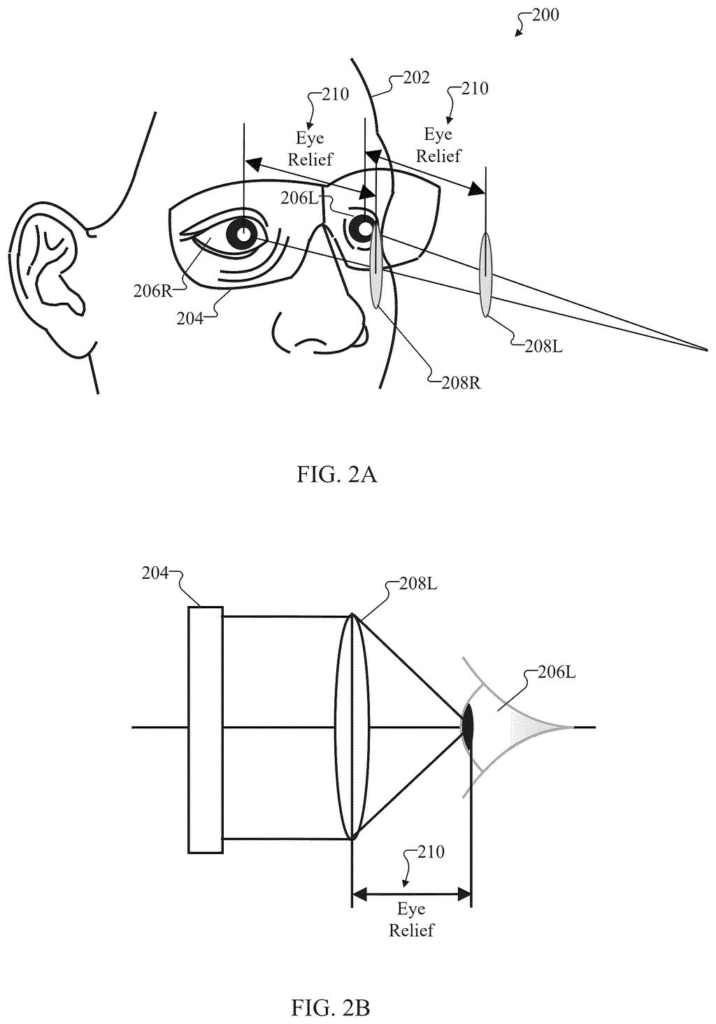
You slip on a mixed-reality headset and the picture looks slightly off, fuzzy around the edges, or just not quite right. That feeling often comes down to one measurement most people have never heard of: eye relief, the gap between the headset's lens and the center of your pupil.
Samsung's patent covers a process where the headset guides you to look at an on-screen object, then uses multiple cameras and an eye-tracking sensor working together to calculate your actual eye relief distance. It then checks whether that measurement matches the distance the headset was designed to work at.
If there's a mismatch, the system knows something is wrong, whether you're wearing glasses, holding the headset at an angle, or just have a face that doesn't fit the default assumption. That opens the door to correcting the display so it looks right for you, not for an average hypothetical user.
… determining, using the at least one processing device, an actual eye relief distance of the user between (i) a lens of the at least one display device and (ii) a center of a pupil of an eye of the user …
Translation: The device calculates the exact physical distance between your eyeball and the headset lens.
How the headset measures the gap between lens and pupil
The patent describes a multi-sensor measurement routine built into an extended reality (XR) device, meaning a headset that overlays digital images on the real world or replaces your view entirely.
When you start using the device, it shows you a calibration prompt, asking you to focus on a specific object on the display. While you look at it, three data streams are captured simultaneously:
- Stereo image frames from at least two cameras, which allow the device to calculate depth, the same principle your two eyes use to judge distances in real life.
- Eye-tracking data from a dedicated eye sensor, pinpointing where your pupil is and how it moves.
- Scene data from an outward-facing object-tracking camera, used as a spatial reference point.
All three streams feed into a calculation that produces your actual eye relief distance, the precise gap between the headset's optical lens and the center of your pupil. The device then compares that number against its specified eye relief distance, the distance its optics were engineered to work at.
If the two numbers don't match, the device has a confirmed measurement it can act on, whether that means adjusting rendering, flagging a fit problem, or updating a lens-distortion correction map so the image looks right from where your eyes actually are.
… determining whether the actual eye relief distance matches a specified eye relief distance of the electronic device.
Translation: It checks if your face is positioned at the correct distance the headset was designed for.
What this means for XR headset comfort and image quality
Eye relief sounds like an obscure spec, but it directly controls whether the image you see looks sharp and properly aligned. Most headsets today ship with a fixed optical design and assume your eyes sit at a particular distance. If yours don't, the picture suffers and you may not even know why.
For Samsung, Samsung's interest in XR display calibration this patent is part of building headsets that adapt to the person wearing them rather than demanding the person adapt to the hardware. If this measurement routine ships in a future device, it could make the difference between a headset that feels broken and one that feels tailored to you, particularly for people who wear glasses or have facial proportions that fall outside the assumed norm.
Samsung's 45th filing we've tracked since May in the AR glasses race builds on one on controlling light bounce in lenses and one on virtual windows beyond your view, adding to how the company approaches AR optics.
The core idea here is straightforward: the headset measures exactly how far your eye sits from the lens, then adjusts the picture to match. Getting there requires a device that already has stereo cameras, an eye tracker, and an outward-facing scene camera all working together, which sets a high bar for which devices could even run this.
That hardware requirement is the real bottleneck. If a device already has all three sensors, this could arrive as a software update rather than new hardware, and the user-facing flow described in the filing is simple enough that setup would not be the problem.
What the patent does not fully spell out is what happens after a mismatch is detected. The measurement process is described in detail, but the correction step, actually fixing the distorted image, is only implied, suggesting that piece is either being developed separately or is not yet resolved.
There are more where this came from
We read every patent application Big Tech publishes and send you the ones worth knowing. Plain English, free, every week.
The drawings
13 drawing sheets from US 2026/0281299 A1 · click any drawing to enlarge


Want this weekly breakdown for a company we don't cover? Patentlyze Pro →