
Samsung Patents a Lens Stack That Controls Light Bounce Inside AR Glasses
Getting sharp, clear images inside a pair of AR glasses is harder than it looks, light has a nasty habit of bouncing around inside the optics and washing out whatever you're trying to see. Samsung's new patent targets that exact problem with a carefully ordered stack of light-control layers built right into the lens.
What Samsung's polarizing lens assembly actually does
You're wearing a pair of AR glasses and the display looks washed out, ghosted, or just weirdly dim, not because the screen is weak, but because stray light is ricocheting inside the lenses before it reaches your eye. That's a physics problem every company making AR eyewear has to solve, and the answer usually involves filtering light with special films called polarizers.
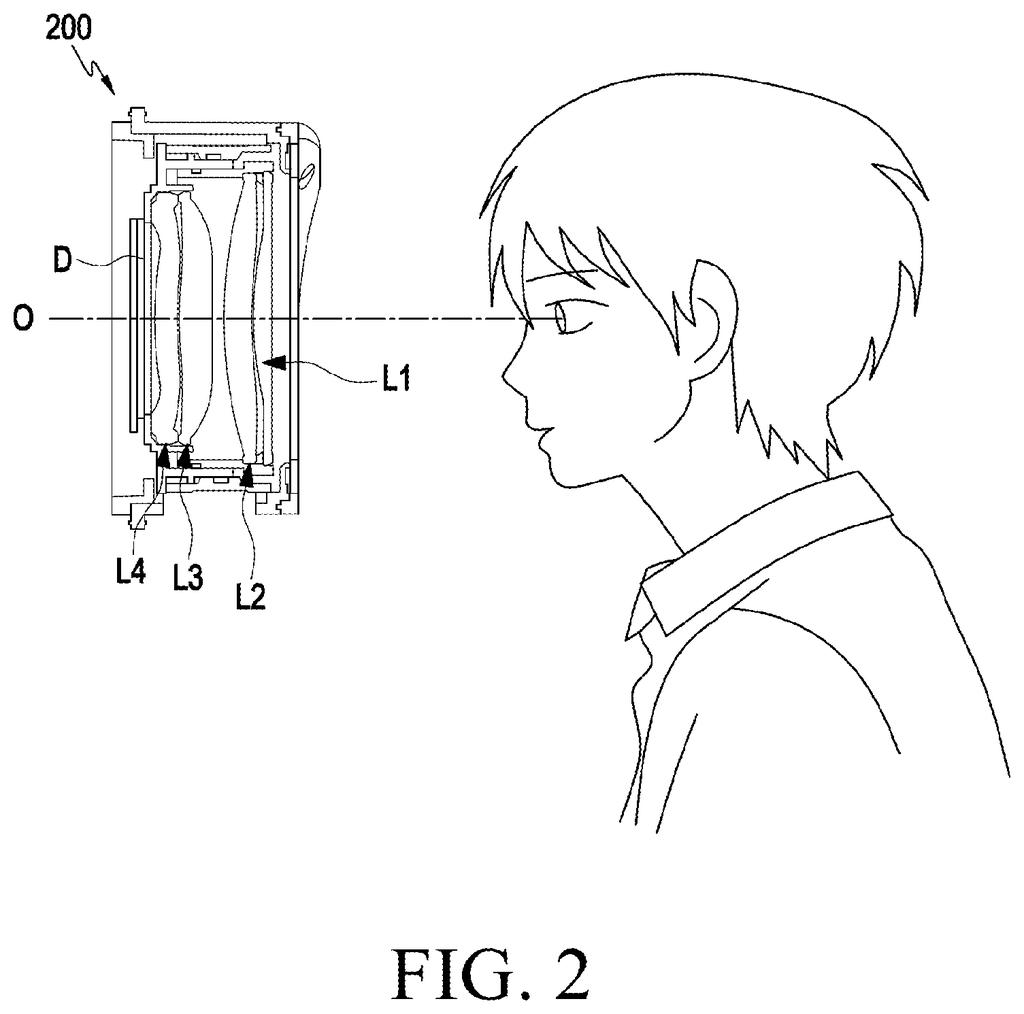
Samsung's patent describes a lens assembly that lines up four different light-managing layers in a specific order: a polarizer, a reflective polarizer, a quarter-wave plate, and a beam splitter. Together, these control exactly which light gets through, which gets bounced back, and which gets discarded. The result is a brighter, cleaner image with less glare.
The clever part is a protective hard coating layered in alongside the polarizing films. Polarizers are delicate and scratch easily, so the hard layer acts as armor for the optics stack, keeping the assembly durable enough for everyday wear without making the whole thing thicker or heavier.
… a polarization part including a polarizer, a reflective polarizer, a quarter-wave plate, and a beam splitter sequentially disposed along a first direction …
Translation: The lens setup lines up four distinct optical components in a specific order to control light.
How the hard layer protects the polarizing films
The patent covers a lens assembly designed for compact wearable devices, most likely AR or VR glasses. It sequences four distinct optical components along the light path:
- Polarizer, filters incoming light so only waves vibrating in one direction pass through
- Reflective polarizer, bounces back light that isn't oriented correctly, recycling it rather than wasting it
- Quarter-wave plate, rotates the polarization state of light by 90 degrees, a technique used to fold the optical path so the device can be physically thinner
- Beam splitter, divides light into separate paths, directing display light toward the eye while managing ambient light separately
A key structural detail: at least one regular lens physically separates the first three components from the beam splitter. That gap isn't accidental, it's part of how the optical path is folded to shrink the overall device size.
The most novel claim in the filing is the hard protective layer built into the polarization stack. Polarizers and reflective polarizers are notoriously fragile films; without protection they can deform, crack, or delaminate under the mechanical stress of daily use. The hard layer sits alongside these films to absorb that stress, preserving optical performance over the device's lifespan.
… the polarizing part includes a layer that is harder than the polarizer and the reflective polarizer …
Translation: The assembly features a toughened protective layer designed to shield the delicate internal films.
What this means for the next wave of compact AR headsets
AR glasses live or die on optical quality. A blurry or ghosted display quickly becomes annoying enough that people stop wearing the device entirely, which is why companies like Samsung's steady investment in compact optics patents matters as a signal of long-term hardware commitment. A polarizing stack that also resists physical wear directly addresses one of the core reasons AR headsets have struggled to leave the lab.
For you as a potential buyer, this kind of engineering is what separates a device that looks good in demos from one that holds up after a year of daily use. Durable optics mean the image quality you get on day one is the image quality you still get on day 365.
That makes this Samsung's 44th filing we've tracked since May in our AR glasses race watchlist, adding to work like extending virtual windows and eye-light user checks.
The problem this patent attacks is real. Polarizing optics inside compact AR devices are both optically critical and physically fragile, that combination has been a genuine manufacturing headache for the industry, not a minor footnote. Devices that look great on launch day can degrade as internal films warp or scratch, and there's no easy fix once the lens is assembled.
Samsung's approach of embedding a hard protective layer directly into the polarization stack is a practical, incremental answer to that problem. It doesn't require a new class of materials or a radical redesign. That modesty is appropriate: the problem is real but not exotic, and a disciplined engineering solution fits it better than a flashier approach would.
The filing is specific enough to signal that Samsung is working on actual hardware, not just staking out abstract territory. Whether this specific assembly makes it into a shipping product depends on factors well outside any patent document, but the attention to durability alongside optical performance suggests someone on the team has thought seriously about what AR glasses need to survive contact with the real world.
There are more where this came from
We read every patent application Big Tech publishes and send you the ones worth knowing. Plain English, free, every week.
The drawings
17 drawing sheets from US 2026/0267157 A1 · click any drawing to enlarge


Want this weekly breakdown for a company we don't cover? Patentlyze Pro →