
Samsung Patents Self-Driving Car Sensor Correction Through Shared Vehicle Data
Self-driving car sensors drift over time, and recalibrating them usually means a trip to a service bay. Samsung's new patent describes a system where cars fix their own sensor errors by comparing notes with other autonomous vehicles nearby.
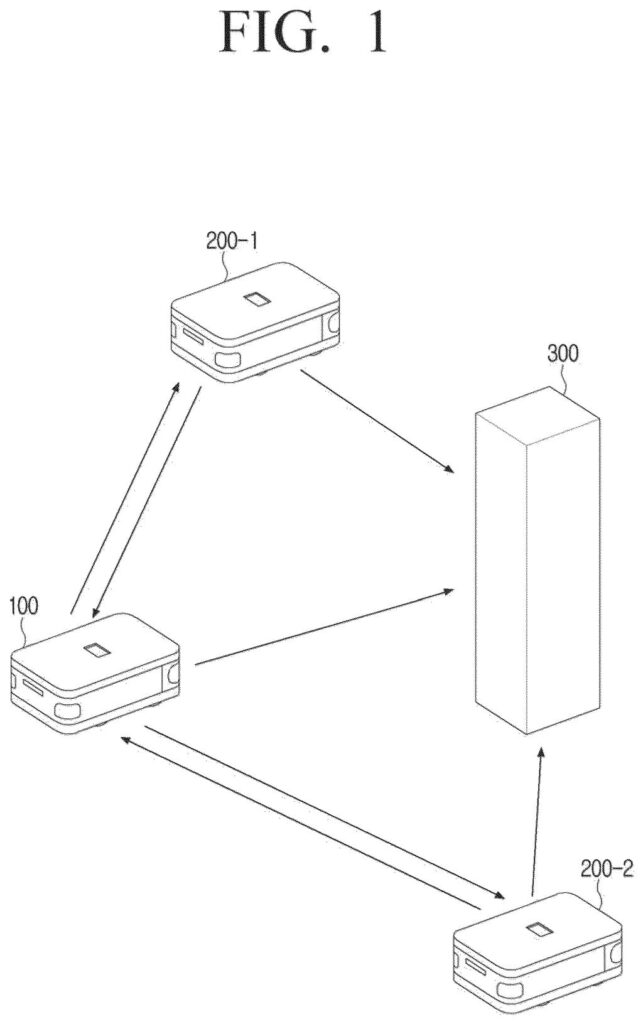
How Samsung's sensor cross-check system actually works
Sensors in self-driving cars are precise instruments, but they go out of tune. Temperature swings, vibration, and plain old wear can cause a camera or radar to give readings that are slightly off, which matters a lot when a car is making split-second decisions.
Samsung's patent describes a system where a self-driving car looks at what it sees around it, then asks nearby autonomous vehicles what they see in that same space. If your car thinks an object is three meters to the left and two other cars agree it's four meters to the left, your car's sensor probably needs adjusting.
The clever part is that not all outside opinions are treated equally. A car with a long, reliable driving history gets more say in the final answer than one that's newer or has been less consistent. The system uses those trust scores to weight each car's observations before deciding how to correct the sensor.
… obtain, through the communication part, second observation information obtained from at least one external autonomous driving apparatus and driving history information of the at least one external autonomous driving apparatus from among objects present in the space, and store the second observation information and the driving history information in the memory; …
Translation: The car downloads sensor data and driving history from nearby vehicles.
How the weighting system ranks each car's sensor data
The patent describes an autonomous vehicle that stores what its own sensors observe, called first observation information, in memory. At the same time, it reaches out over a communication link to nearby autonomous vehicles and collects their observations of the same physical space, called second observation information.
Before comparing the two sets of observations, the system assigns weight values to each source. A weight value is essentially a trust score: the more reliable a vehicle's driving history, the more its data counts. The patent specifies that both the local vehicle's own history and the histories of the external vehicles are factored into these scores.
Once the weighted observations are stacked up, the system compares them. Disagreements between what the local sensor reported and what the trusted external fleet reported point to sensor error. The system then adjusts the sensor parameters (the internal settings that translate raw sensor signals into usable measurements) to bring them back into alignment.
- Collect local sensor observations
- Receive observations from nearby autonomous vehicles
- Score each source by driving history reliability
- Compare weighted data sets to detect sensor drift
- Adjust sensor parameters automatically to correct errors
… calibrates the at least one sensor parameter by comparing first and second observation information added with the weight values.
Translation: It automatically tunes its own sensors by comparing its data with what other cars see.
What peer-calibration means for self-driving reliability
Self-driving cars depend on sensors the way pilots depend on instruments. A camera or lidar that's even slightly miscalibrated can misplace objects by enough to cause a real safety problem. Today, catching and fixing that drift typically requires scheduled maintenance or a controlled test environment, which means errors can go unnoticed between service visits.
If this system works as described, it could let vehicles self-correct continuously on public roads, using the surrounding traffic as a distributed reference grid. For you as a passenger, that means fewer invisible sensor errors accumulating between checkups. For fleets of autonomous vehicles, it could significantly reduce downtime spent on manual calibration, since the cars would be doing that work themselves while driving.
Samsung has filed its fifth application we've tracked since July in the self-driving sensing race, adding to earlier work like its AI route-checker filing and its nano-structure LiDAR chip.
The calibration method here lives entirely in software, which means no new hardware has to be bolted onto a car for this to work. That is the right foundation for anything meant to ship at scale.
The catch is that the system depends on nearby cars already sharing structured sensor readings with each other in real time. That communication layer does not yet exist on public roads in any broad way, so the shortest path to a real product runs through closed fleets first: a robotaxi yard, a logistics depot, any operation where one company controls every vehicle in the area and can set up the data-sharing rules from day one.
The open-road version has to wait for coordination infrastructure that nobody has solved yet. But the core idea, letting cars cross-check each other's sensors and trust the most reliable readings most, is a practical and useful approach for whoever can build the right conditions around it first.
There are more where this came from
We read every patent application Big Tech publishes and send you the ones worth knowing. Plain English, free, every week.
The drawings
8 drawing sheets from US 2026/0289818 A1 · click any drawing to enlarge


Want this weekly breakdown for a company we don't cover? Patentlyze Pro →
Be the first to weigh in