
Samsung Patents a Fix That Keeps Your Charging Screen Active During Wireless Power Pauses
Every wireless charger briefly cuts power in certain situations, and when that happens your phone's charging indicator can vanish, leaving you wondering if it's actually charging. Samsung's new patent is a small but real fix for that moment.
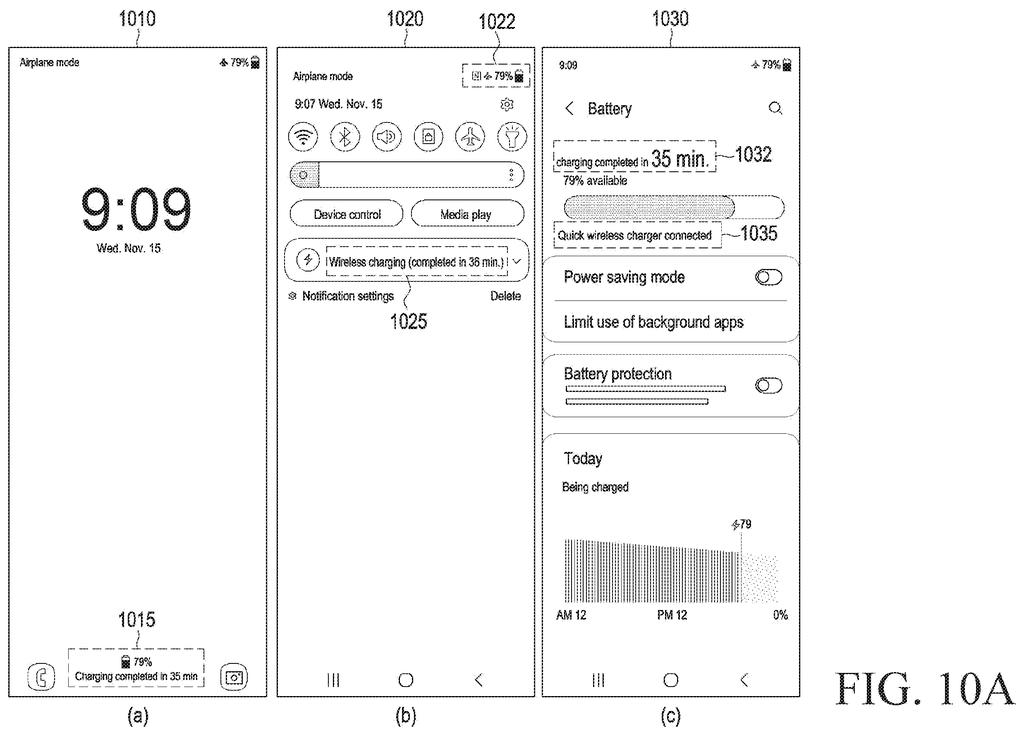
What Samsung's charging-display hold actually does for you
Every time your phone is sitting on a wireless charger, your screen shows a little charging icon or animation to confirm everything is working. But some events, like a software check or a brief power adjustment, can cause the charger to pause for a moment. When that happens, the charging display can disappear, and you're left second-guessing whether your phone is still charging.
Samsung's patent describes a system where the phone itself sends a polite message to the charger asking it to hold off for a moment. While that pause happens, the phone keeps showing the charging screen as if nothing interrupted it. So from your perspective, the indicator never blinks out.
The idea is to separate two things that normally happen together: the actual flow of power, and the visual confirmation that power is flowing. You keep seeing the charging status even when the electricity briefly stops.
… identify an occurrence of an event designated to temporarily stop receiving the power, while receiving the power, based on the occurrence of the event, provide a first packet for requesting to temporarily stop transmitting the power to the external electronic device …
Translation: The phone detects a reason to pause charging and asks the charger to stop sending power.
How the packet system pauses power without killing the screen
The patent describes a coordination system between a wirelessly charging device (like a phone) and its charging pad or stand. Normally, the charging indicator on screen reflects the live power state: power flows, indicator shows; power pauses, indicator disappears.
Samsung's approach adds a communication layer. When the phone detects an event that requires a temporary halt in charging, it sends a first packet (a small data signal over the wireless charging channel) to the external charger requesting it to stop transmitting power. That's standard Qi-protocol behavior.
What's new is what happens on the phone's display side. Instead of letting the charging indicator drop because power stopped, the phone's processor is instructed to maintain the display of that charging status screen for the duration of the interruption. The phone knows it asked for the pause, so it knows the pause is intentional and temporary.
The patent also covers sending a second packet to resume power once the event is resolved, at which point normal charging and normal display behavior both continue. The key components are:
- A power reception circuit for wireless charging
- A display showing charge state
- A processor that monitors for interruption events
- A packet-based messaging system to coordinate with the charger
… maintains, on the basis of the provision of the first packet, the display of the first information on the display while the reception of the power is interrupted …
Translation: Even though power is paused, the screen keeps showing that the phone is charging.
What this means for everyday wireless charging UX
For most people, the charging indicator is a small but important trust signal. When it flickers off unexpectedly, you pick up the phone, check the cable (or reposition it on the pad), and wonder if something is broken. Samsung's patent removes that anxiety by keeping the visual confirmation steady through intentional pauses.
This is a UX fix more than a power fix. The underlying charging hardware doesn't change. What changes is that the phone takes ownership of communicating its own state, rather than letting the display passively mirror whatever the power circuit is doing moment to moment. For wireless charging, where there's no physical cable connection to give you tactile confidence, that kind of visual reliability carries real weight.
Samsung's 249th filing in our cell phone patent coverage since May follows ideas like a hidden antenna slot and a skeleton fingerprint reader, all filings we've tracked as the company keeps exploring what hides inside a phone's frame.
Most people who use wireless charging have learned, somewhere along the way, not to fully trust it. The screen goes dark unexpectedly, and you're left wondering whether your phone is still charging or sitting at 12 percent.
This patent addresses that exact moment of doubt. When the charger briefly pauses power transfer, the phone now holds its charging display steady rather than dropping it, so you never see a gap that looks like failure. The fix is invisible when it works, which is precisely how a good fix should behave.
You would notice this most at night, setting your phone down before sleep and glancing back once to confirm it's charging. A screen that stays consistent through small interruptions earns a kind of quiet confidence that spec sheets never measure but users absolutely feel.
There are more where this came from
We read every patent application Big Tech publishes and send you the ones worth knowing. Plain English, free, every week.
The drawings
16 drawing sheets from US 2026/0291295 A1 · click any drawing to enlarge


Want this weekly breakdown for a company we don't cover? Patentlyze Pro →
Be the first to weigh in