
Qualcomm Patents a Way to Stop Your Phone Recording Audio When Nothing Is Happening
Your phone's microphone doesn't need to be active every second of the day, and Qualcomm is filing patents to make sure it isn't. This one hands the decision about when to start recording audio to sensors that have nothing to do with sound.
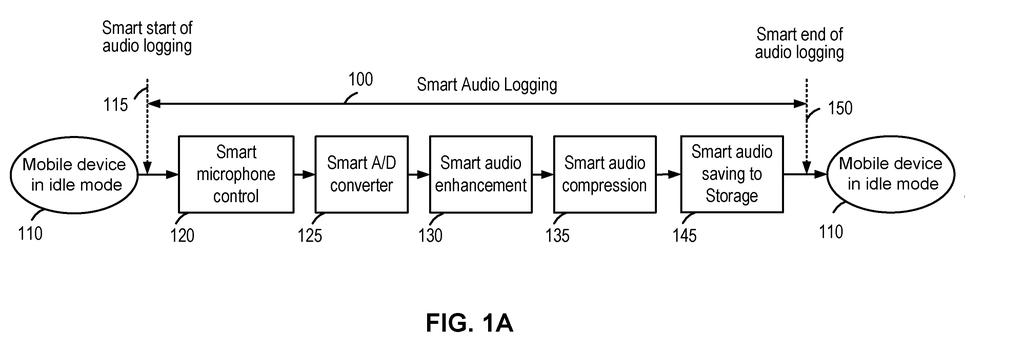
How Qualcomm's sensor-based audio trigger actually works
Every time your phone sits on a desk untouched, something inside it is still burning energy waiting to hear a voice command or log audio for an app. That constant readiness costs battery life and raises reasonable questions about when exactly your microphone is active.
Qualcomm's patent describes a smarter gatekeeper. Instead of keeping the audio processor awake and listening, the system watches non-acoustic sensors (think accelerometers, proximity detectors, or similar hardware) for a signal that something meaningful is about to happen. If those sensors don't see anything worth acting on, the audio system stays idle and draws almost no power.
Only when a sensor detects a relevant event does the system flip on and start logging audio. In practical terms, that means your phone could avoid switching on its audio pipeline during long stretches when you're not interacting with it at all.
a non-acoustic sensor configured to generate a non-acoustic sensor signal; and one or more processors configured to: receive the non-acoustic sensor signal from the non-acoustic sensor; determine, based at least in part on the non-acoustic sensor signal, whether a start event indicator is generated …
Translation: A sensor detects physical motion or touch instead of sound to decide whether you are trying to use the microphone.
How the idle-mode gate decides when audio logging starts
The patent describes a device with two main components working together: a non-acoustic sensor (any sensor that doesn't capture sound directly, such as an accelerometer that detects movement, a light sensor, or a proximity sensor) and one or more processors that watch what that sensor reports.
The processors are set up to look for what the patent calls a start event indicator, essentially a threshold or pattern in the sensor data that signals something meaningful is happening. If the sensor data never crosses that threshold, the system stays in idle mode, meaning the audio logging hardware is not activated.
The chain of logic is:
- Non-acoustic sensor generates a signal continuously
- Processor evaluates whether that signal meets the criteria for a start event
- No start event means the audio pipeline stays off
- A detected start event wakes the audio system and begins logging
The practical effect is that audio capture becomes conditional on physical context rather than always-on. A phone lying still on a table, for example, might never trigger the start event at all, keeping the audio processor completely dormant until the device is picked up or otherwise disturbed.
What this means for battery life and audio privacy on mobile
For you as a user, the two most direct effects are battery savings and a narrower window during which your microphone is technically active. Audio processing is one of the more power-hungry tasks a mobile chip handles, so preventing it from running during idle periods could meaningfully extend the time between charges.
There's also a privacy dimension. Concerns about always-on audio have followed voice assistants and smart devices for years. A system that requires a physical sensor event before audio logging even begins gives users (and regulators) a clearer, more auditable answer to the question of when the microphone is actually doing something. Qualcomm's run of low-power audio processing filings reflects how important that boundary has become in mobile chip design.
This is the 13th Qualcomm filing we've tracked in our on-device AI privacy watchlist since July, building on location self-learning and helping train traffic AI.
The clearest thing this does for a user is stretch battery life during the hours when their phone is doing nothing useful. Instead of audio-monitoring circuits running constantly in the background, they only switch on when something else, a motion sensor or similar physical trigger, tells them to bother.
You would never see this working. A phone that handles a full day more comfortably, or one that doesn't run warm in your pocket, is the whole experience this kind of design decision produces.
The privacy angle matters too, even if the patent doesn't make the case explicitly. A microphone that is physically gated by an unrelated sensor is one that has fewer opportunities to catch audio by accident, and that is a quiet form of protection most users would choose if they knew it was on offer.
There are more where this came from
We read every patent application Big Tech publishes and send you the ones worth knowing. Plain English, free, every week.
The drawings
29 drawing sheets from US 2026/0279396 A1 · click any drawing to enlarge


Want this weekly breakdown for a company we don't cover? Patentlyze Pro →