
Sony Patents a Self-Cooling Wire Motor That Chills Itself From the Inside
Tiny wire-based motors that move by changing shape when heated are fast and powerful, but they overheat quickly. Sony's new patent puts the cooling system right inside the wire itself.
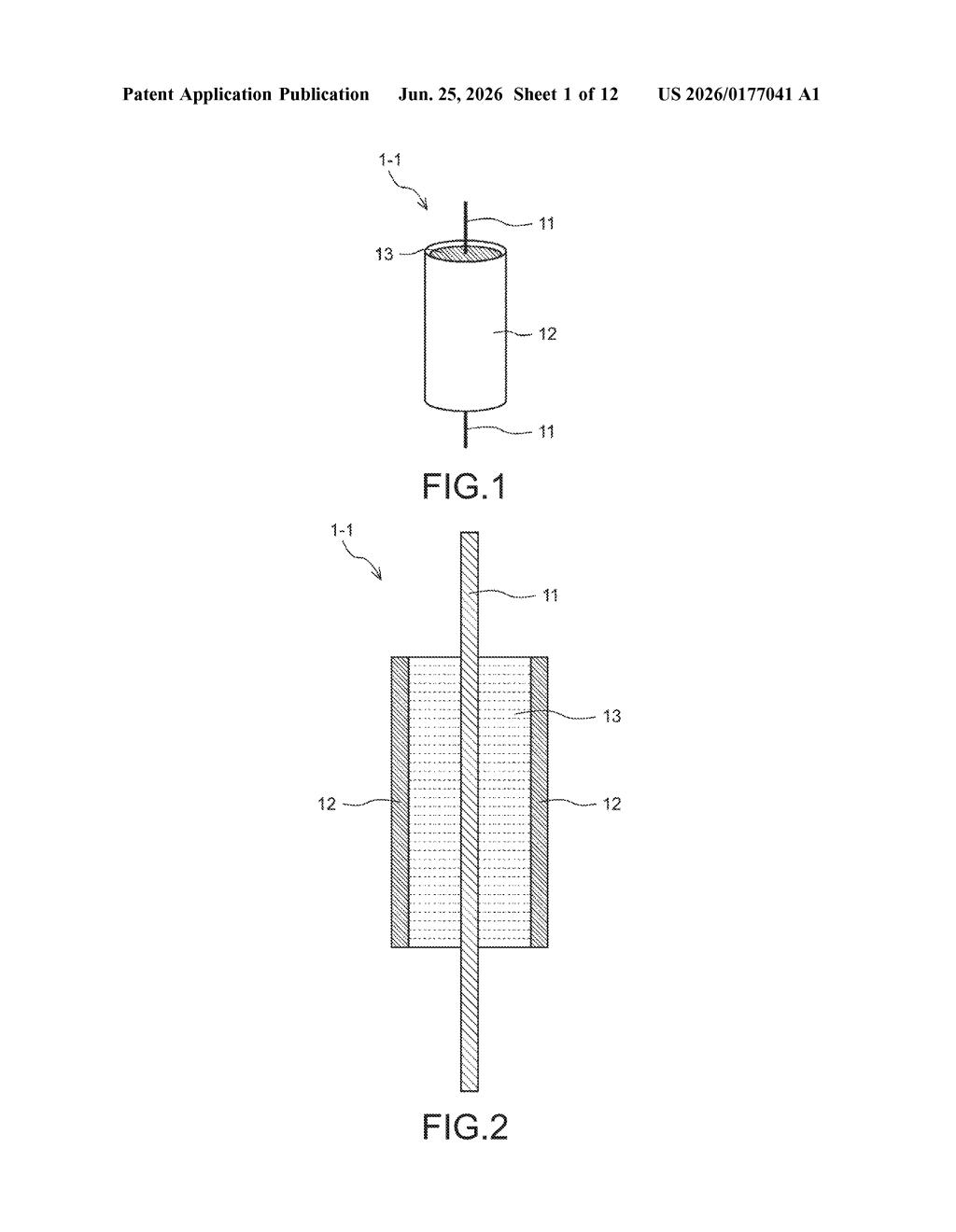
What Sony's fluid-cooled wire actuator actually does
Imagine a wire that moves when you heat it up, almost like a tiny muscle. That's roughly how shape memory alloy actuators work: heat the wire, it contracts; cool it down, it relaxes. Companies like Sony use these in compact cameras and small robots because they're incredibly small and lightweight.
The problem is cooling. Right now, these wires depend on the surrounding air to shed heat, which is slow and limits how fast or often the motor can fire. Sony's patent fixes this by threading the wire through a hollow tube filled with a cooling fluid, so the wire is literally surrounded by refrigerant at all times.
The result is a motor that can cool down on its own schedule, independent of the environment around it. That means faster response, more consistent movement, and a design that works in tight, enclosed spaces where there's no airflow at all.
How the hollow tube keeps the SMA wire in check
Shape memory alloy (SMA) actuators work by exploiting a quirky material property: when you pass an electrical current through an SMA wire, it heats up and physically contracts, generating a pulling force. Remove the current, and the wire needs to cool before it can extend again and repeat the cycle. The speed of that cooling step sets the upper limit on how quickly the actuator can operate.
Sony's patent describes a three-part structure:
- An SMA wire that does the actual mechanical work
- A tubular member (a small hollow tube) that the wire runs through end to end
- A refrigerant fluid stored inside that hollow space, wrapping around the wire
Because the cooling fluid is in direct contact with the wire along its entire length, heat transfers away from the wire much faster than passive air cooling allows. The fluid acts as a stand-alone cooling mechanism, meaning the actuator doesn't need external fans, heat sinks, or open airspace to manage its own temperature.
The patent frames this as a self-contained system. That's the key engineering insight: rather than designing around the cooling problem at the system level, Sony embeds the solution inside the actuator structure itself.
What this means for small motors in cameras and robotics
SMA actuators show up in places where electric motors are too bulky: camera autofocus modules, haptic feedback systems, and small robotic joints. The cooling bottleneck has historically limited how fast these actuators can cycle, which in turn limits how responsive the device feels to the user. A camera that refocuses faster or a robotic finger that reacts more quickly both depend on shortening that cool-down window.
For Sony specifically, this intersects with its camera lens and imaging business, where compact actuators are a constant engineering priority. A faster-cycling SMA actuator in a lens module could translate directly to quicker autofocus in confined camera bodies, though Sony's patent doesn't name a specific product.
This is a focused, incremental engineering patent rather than a conceptual leap. Sony is solving a real and documented limitation of SMA actuators, and the fluid-in-tube approach is clean and practical. It won't make headlines outside of actuator engineering circles, but it's the kind of quiet infrastructure work that actually ships in products.
There are more where this came from
We read every patent application Big Tech publishes and send you the ones worth knowing. Plain English, free, every week.
Want this weekly breakdown for a company we don't cover? Patentlyze Pro →