
Samsung Patents a System That Figures Out What Your Smart Home Devices Can Do
When you add a new smart device to your home, someone has to figure out what it can actually do — and right now, that someone is you. Samsung's new patent wants to automate that entire discovery process.
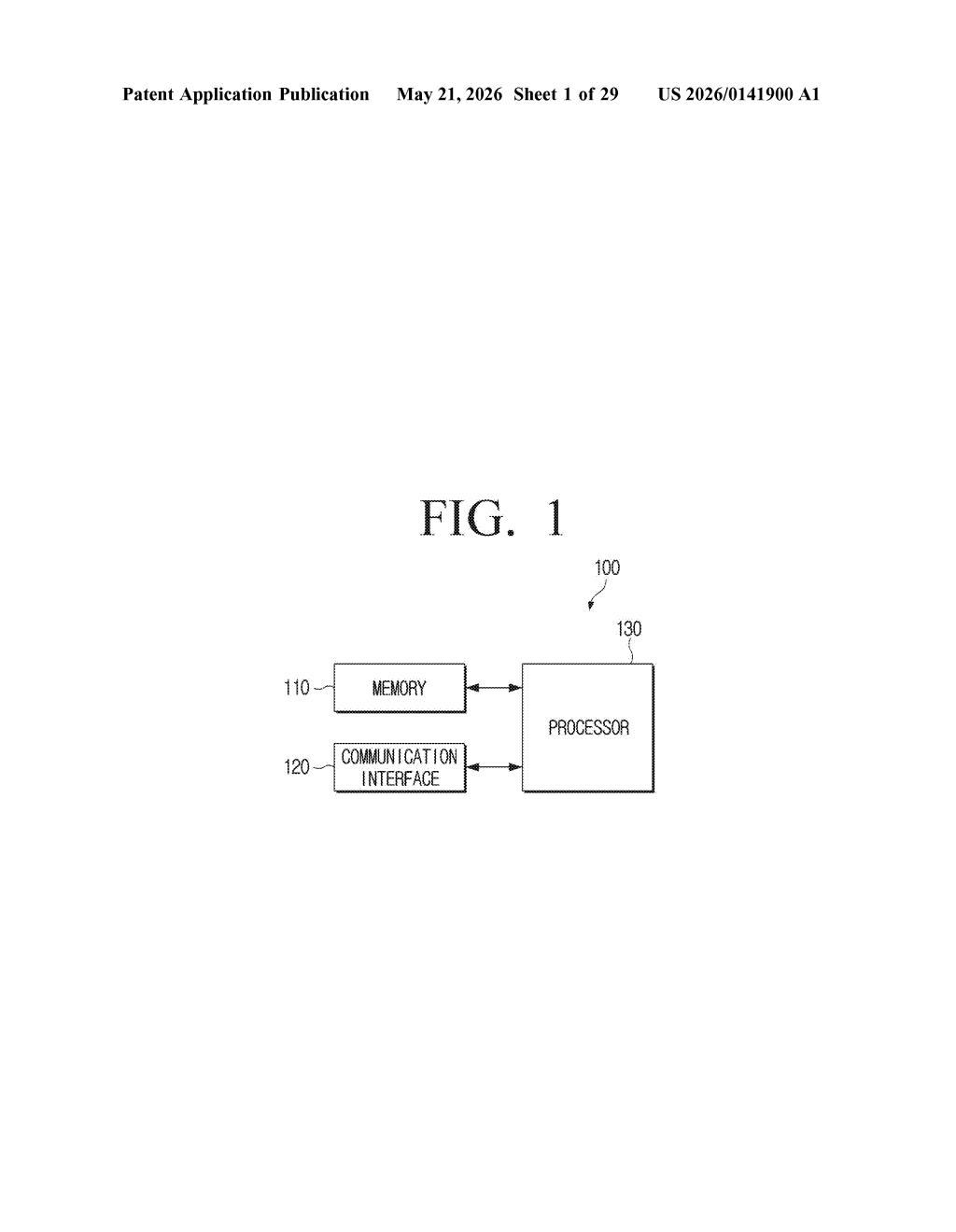
How Samsung's hub learns your devices' capabilities
Imagine you just bought a new Samsung washer-dryer combo and plugged it into your smart home. Your existing washing machine already handles laundry notifications and your smart speaker already handles voice commands. Now three devices can all technically talk — but which one should do what?
Samsung's patent describes a main hub device that automatically reads a new gadget's description, figures out all the functions it's capable of, then compares those against what your existing devices already do. If there's overlap — say both your old device and the new one can do voice recognition — the hub decides which device should "own" that job based on how important that function is to each device.
The goal is that you never have to manually configure which device does what. The system learns it for you, tells both devices the plan, and keeps everything coordinated. Think of it like an HR manager for your gadgets, assigning roles so nobody steps on anyone else's toes.
How the cluster-and-probability pipeline maps device functions
The patent describes a main device (think: a hub or central controller) that runs a multi-step pipeline whenever a new sub-device joins the network.
First, it grabs description information from the new device — essentially a text or metadata description of what the device is and what it claims to do. It then runs that description through a cluster model (a machine-learning grouping technique that maps descriptions onto known function categories) to get a shortlist of likely capabilities. From that shortlist, it generates probability values for each candidate function — basically a confidence score for whether the device really supports that feature — and uses those scores to build a final function information profile for the device.
Once it has profiles for both old and new devices, it checks for overlapping functions. When overlap exists, it weighs the importance information stored for each device — a pre-assigned priority score indicating how central a given function is to that device's core purpose — and assigns the function to whichever device scores higher.
- Description → cluster mapping → probability scoring → function profile
- Overlap detection between existing and new devices
- Importance-weighted arbitration to assign function ownership
- Notifications sent to all affected devices with updated assignments
What this means for Samsung's SmartThings ecosystem
For Samsung, this is plumbing for SmartThings. The platform already connects hundreds of device categories, but today a lot of capability discovery relies on manufacturer-provided metadata that users or developers have to manually curate. A probabilistic, cluster-based inference layer would let the hub make educated guesses about device capabilities even when the metadata is incomplete or nonstandard — which is most of the time in the real world.
For you, the practical upside is a smart home that reconfigures itself when you add a new device, rather than asking you to re-map routines every time. The patent's worked example — a washing machine and a drying machine sharing voice recognition duties — is deliberately mundane, but the same logic applies to any overlapping smart home functions.
This is unglamorous but genuinely useful infrastructure work. The failure mode it targets — users having to manually reconcile conflicting capabilities across a growing fleet of smart home devices — is a real and common frustration. Whether Samsung actually ships this as a coherent SmartThings feature, or whether it stays buried in firmware, will determine whether it matters at all.
There are more where this came from
We read every patent application Big Tech publishes and send you the ones worth knowing. Plain English, free, every week.
Want this weekly breakdown for a company we don't cover? Patentlyze Pro →