
Sony Patents a System That Lets Your Devices Diagnose and Fix Themselves
Sony has filed a patent for a system that lets consumer electronics run their own health checks, talk to a server, and apply fixes without you ever opening a support ticket.
What Sony's self-healing device system actually does
You're watching a movie and your TV starts acting up: choppy playback, an app that won't load, audio dropping in and out. Right now, that means either waiting to see if it fixes itself or hunting through menus for a reset option. Sony wants to change that.
The patent describes a system where your device automatically runs diagnostic checks when something seems off, sends a summary to Sony's servers, and then receives instructions on what to fix. The fix happens on the device without you doing anything.
What makes this a little unusual is that one device can run diagnostics on another nearby device. So your PlayStation could, in theory, check on your TV or another piece of Sony hardware on the same network, not just itself.
… execute one or more self-diagnostic algorithms at a second client device to assess one or more aspects of the second client device …
Translation: One gadget runs tests to check the health and performance of another device.
How one Sony device runs diagnostics on another
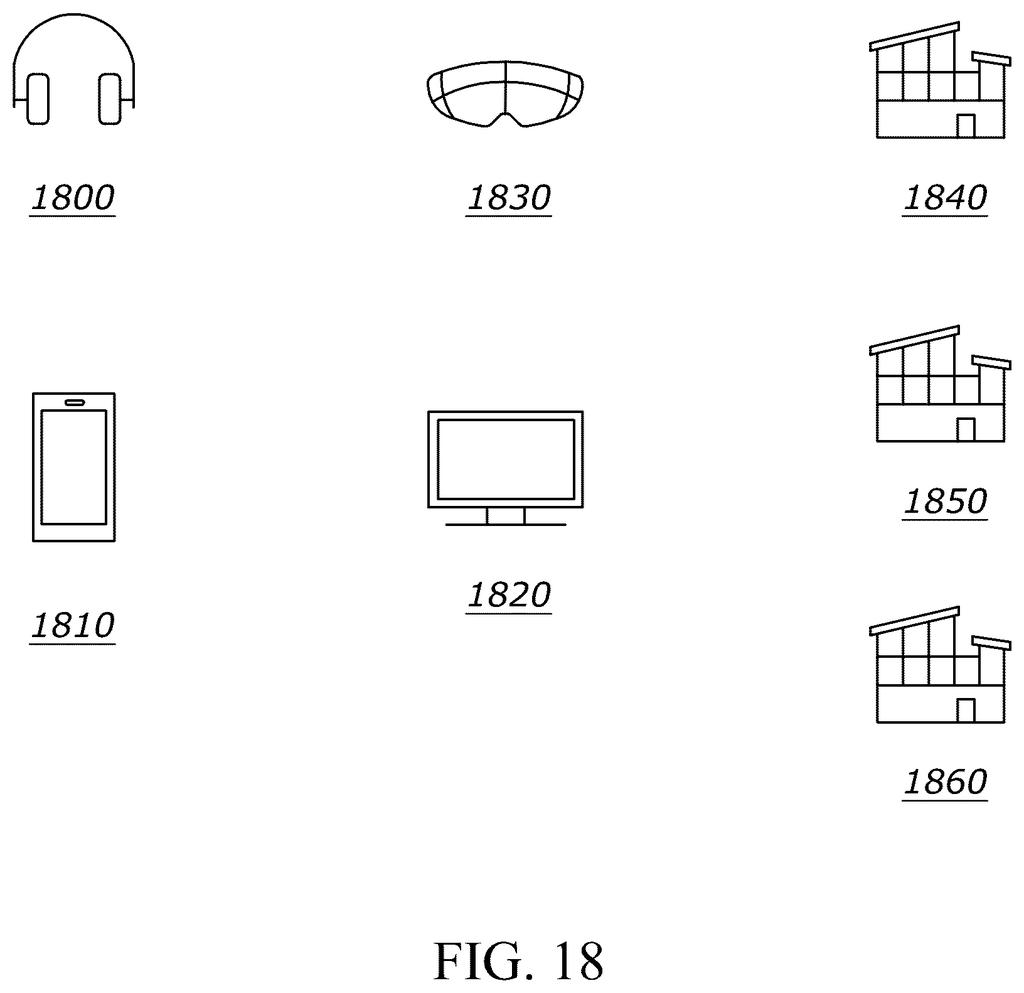
The patent describes a two-device setup at its core. A first client device (say, a PlayStation console) can trigger diagnostic software that runs on a second client device (say, a Sony TV or soundbar on the same network). This isn't just a ping to check if the device is on; it runs actual diagnostic algorithms that assess specific aspects of how that second device is functioning.
Once the diagnostics complete, the first device generates a report summarizing what it found and sends that report to a remote server. The server processes the report and sends back a list of corrective actions, which are specific instructions for addressing whatever problem was flagged.
The first device then carries out those corrective actions on the second device. The whole loop, from trigger to fix, is designed to run without user input.
- Trigger: Something prompts the diagnostic to start (a scheduled check, an error event, or a user request).
- Diagnosis: Algorithms assess one or more aspects of the target device's health.
- Report: Results are packaged and sent to a server.
- Fix: The server prescribes corrective actions; the device applies them.
… communicate with a server to provide the report to the server and to determine one or more corrective actions to be performed at the client device to address an issue indicated in the report …
Translation: The system contacts a remote server to figure out how to fix any problems it finds.
What self-diagnosing electronics mean for Sony owners
For consumers, the most direct benefit is fewer frustrating moments where a device is clearly broken but you have no idea why or what to do. If Sony's ecosystem can self-correct before you notice a problem, or fix it the moment you do, that changes what product support looks like in practice.
For Sony, the angle is clear: a connected ecosystem of PlayStation consoles, TVs, cameras, and speakers all running the same diagnostic framework means fewer support calls, faster fixes, and better data on what's actually failing in the field. Sony keeps filing on connected-device ecosystem intelligence The cross-device diagnostic capability is the more interesting piece here. Most devices can already report errors about themselves; a device that can assess and repair its neighbors is a different level of integration.
Sony's 494th filing in our Sony coverage since May continues a software-repair thread that includes remote AI device diagnosis and proactive bug-fix prep.
Consumer electronics fail in ways that cost real money and time: a TV that stutters, a speaker that drops connections, a camera that corrupts files. The gap between "something is wrong" and "here is the fix" currently runs through hold music, factory resets, and guesswork.
Sony's approach here is proportionate to that frustration. A device that can examine itself, report what it finds, and receive a targeted fix from a server is a meaningful improvement over the current standard of "turn it off and on again."
The harder question is whether a device diagnosing and repairing another device in the same home, which this patent also describes, can be done without creating new risks around access and control. That is where the concept either earns its ambition or falls short of it.
There are more where this came from
We read every patent application Big Tech publishes and send you the ones worth knowing. Plain English, free, every week.
The drawings
13 drawing sheets from US 2026/0277730 A1 · click any drawing to enlarge


Want this weekly breakdown for a company we don't cover? Patentlyze Pro →