
New Patent Groups Remote Drivers for Faster Vehicle Takeovers
When a self-driving car gets confused and needs a human to take over, finding the right remote driver fast matters. Sony has filed a patent for a two-step sorting system designed to make that handoff quicker and more organized.
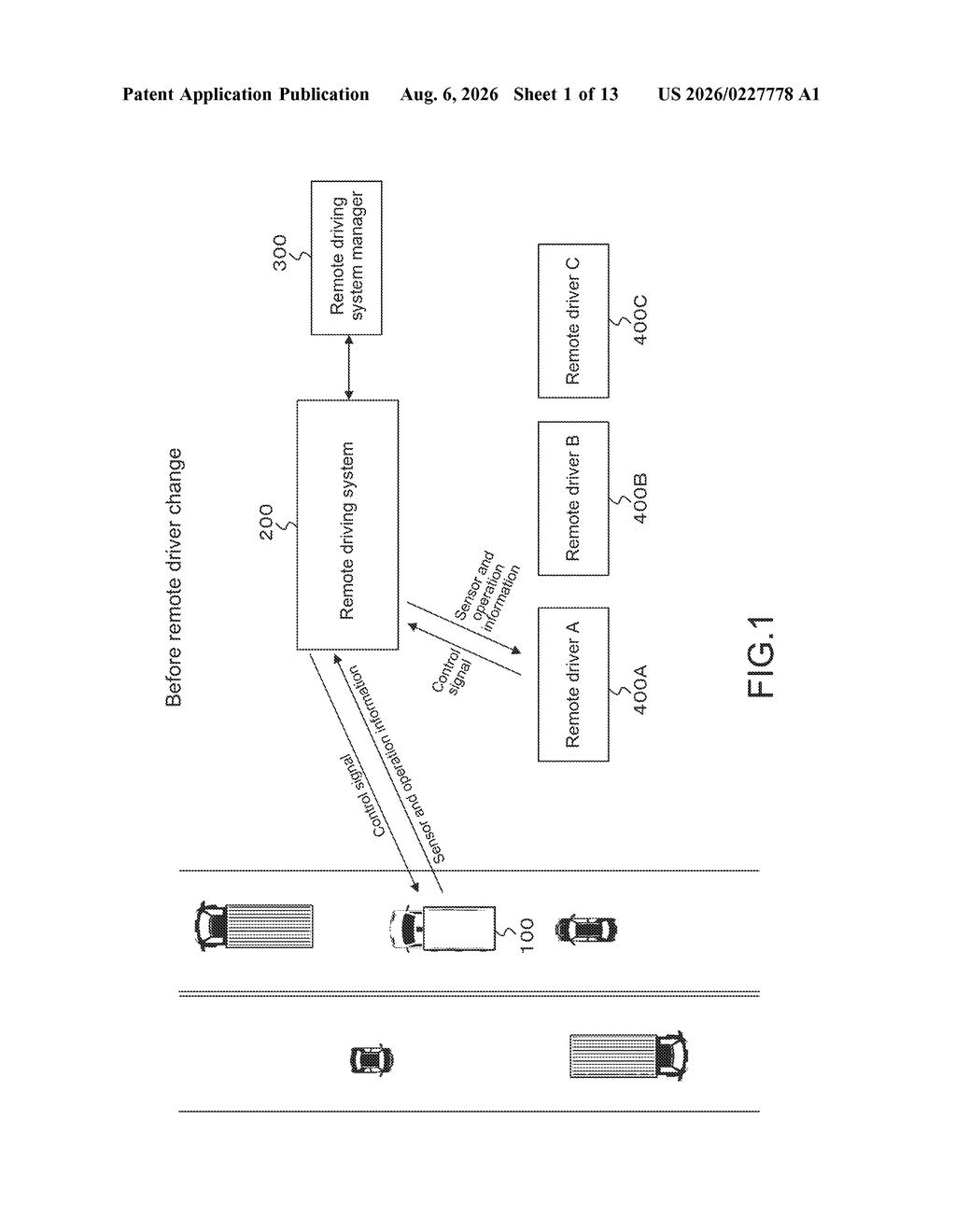
What Sony's remote driver matching system actually does
Imagine a fleet of self-driving taxis operating across a city. Sometimes a car hits a situation it can't handle on its own, like an unusual road obstruction, and a human driver needs to step in remotely from an office somewhere. The problem: if there are hundreds of human drivers on standby, picking the right one instantly is harder than it sounds.
Sony's patent describes a way to break that pool of remote drivers into smaller groups first. Instead of scanning every available driver at once, the system picks a group that makes sense for the situation, then picks one driver from inside that group. Think of it like narrowing a job search by department before looking at individual resumes.
The two-step approach is designed to make the whole matching process faster and more manageable, which matters a lot when a car is sitting in traffic waiting for a human to take the wheel.
… first processing of selecting one remote driver group from one or more remote driver groups including at least one remote driver and second processing of selecting one remote driver from the one remote driver group.
Translation: The system first narrows down the options by picking a group of drivers, and then selects one specific driver from that group.
How the two-step selection process picks a driver
The patent describes a processor inside a remote driving system that handles the job of matching a vehicle to a human operator when remote control is needed.
The matching happens in two stages:
- First processing: The system selects one remote driver group from a pool of available groups. Each group contains at least one qualified remote driver. This narrows the field without yet committing to a specific person.
- Second processing: From within that selected group, the system picks a single remote driver to take over the vehicle.
The patent's core argument is that going straight from a large pool of drivers to a single selection is inefficient and error-prone. By introducing an intermediate grouping layer, the system can apply different criteria at each step, for example filtering by geography or vehicle type at the group level, then by current availability or skill level at the individual level.
The filing does not specify exactly how groups are defined or what criteria drive each selection step, leaving those as implementation details. The claim is broad: any two-stage selection architecture qualifies.
It is possible to favorably determine the remote driver, rather than directly determining one remote driver from a large number of remote drivers.
Translation: This two-step process makes choosing the right driver much easier than sorting through a massive list all at once.
What this means for remotely operated vehicles
Remote driving is already a real, operating business. Companies like Waymo, Zoox, and various robotaxi operators keep human supervisors on standby who can take control of vehicles in tricky situations. As those fleets scale up, the logistics of matching the right human to the right car at the right moment becomes a genuine operational challenge.
If Sony is building or licensing software for remotely operated vehicle fleets, a patented method for structured driver dispatch could become infrastructure-level IP. That said, the claim here is quite broad and conceptual, covering the two-step idea rather than any specific algorithm. Whether it survives examination as a novel concept over existing dispatch-system patents is an open question.
This is a conceptually simple idea dressed up in patent language: sort a big list into buckets, then pick from a bucket. The value isn't in the cleverness of the approach but in Sony staking out territory in remote-vehicle operations software before that market matures. It's a defensive land-grab more than a technical invention.
There are more where this came from
We read every patent application Big Tech publishes and send you the ones worth knowing. Plain English, free, every week.
The drawings
13 drawing sheets from US 2026/0227778 A1 · click any drawing to enlarge


Want this weekly breakdown for a company we don't cover? Patentlyze Pro →
Be the first to weigh in