
Sony Patent Teaches Cars to Remind Drivers of Passed Road Signs
Most driver-assistance systems flash a warning the moment you pass a speed limit sign, which can be distracting at exactly the wrong time. Sony's new patent flips that timing, storing what the camera sees and briefing the driver about it a moment later.
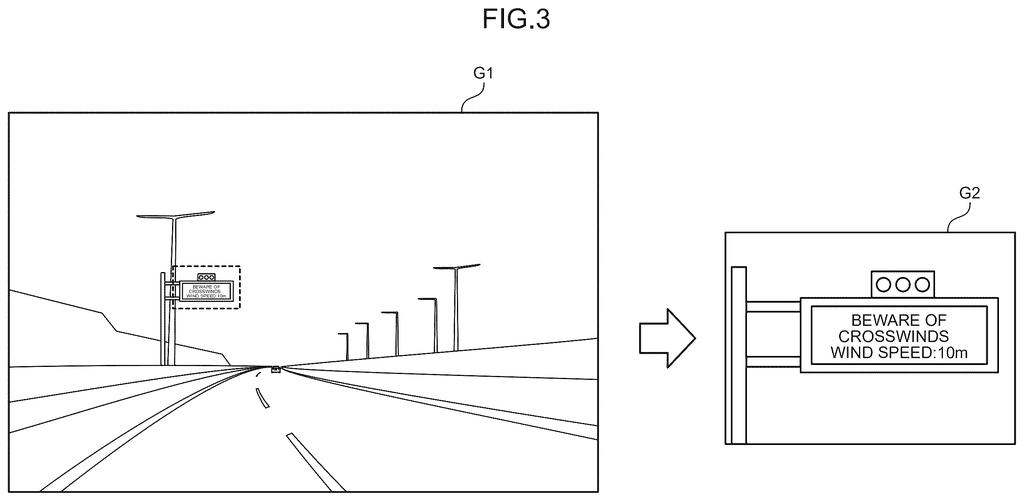
How Sony's delayed sign-notification system works for drivers
A car's camera scans a road sign at 60 mph, and the driver has maybe half a second to register it before the sign is already behind them. That split-second stress is something Sony wants to fix.
The idea is straightforward: instead of alerting you the instant the camera spots a sign, the car logs what it saw and then tells you about it after you've safely cleared the sign's location. Think of it like a co-pilot saying, "Oh, back there? That was a speed-limit change" once you're past the moment of peak attention demand.
Sony Semiconductor Solutions is patenting the whole chain: a camera that reads signs, a memory unit that holds that reading, and a notification system that decides when and how to pass the information along to you as a driver.
a recognition unit that recognizes a road sign included in a captured image captured by a camera mounted on a vehicle traveling on a road; …
Translation: A camera and computer system on the car spots and reads road signs as you drive.
How the camera reads, stores, and replays sign data
The patent describes a three-part system built into a vehicle's onboard computer.
- Recognition unit: A camera mounted on the vehicle captures images of the road ahead. An onboard recognition system identifies road signs in those images, reading their content (speed limits, stop warnings, lane restrictions, and so on) in real time.
- Storage unit: Instead of immediately triggering an alert, the device stores the recognized sign data, including what the sign said and where it was located along the road.
- Notification unit: After the vehicle physically passes the sign's installation point, the system retrieves the stored information and notifies the driver. The notification is framed as information about the road section the vehicle is now traveling through, rather than a reaction to a visual event.
The key design choice is the delay. Traditional heads-up sign-reading systems surface the alert the moment recognition happens, which coincides with a driver already processing the physical environment at high speed. This patent treats the sign as a piece of road-section metadata: you collect it, store it, and present it once you're past the point where the sign itself was competing for attention.
The claim language specifies that the notification covers "a road section," suggesting the system is meant to contextualize a stretch of road (for example, a school zone or a reduced-speed corridor) rather than just flag a single sign.
… notifies a driver of the vehicle of sign information about the road sign based on the result of the recognition, as information about a travel road section, after the vehicle passes an installation point of the road sign.
Translation: The car reminds you what the sign said after you have already driven past it.
What this means for in-car driver assistance systems
Driver-assistance features that announce road signs already exist in many cars, but timing is everything. Showing an alert exactly when a driver is executing a turn or merging adds cognitive load at a bad moment. Sony's approach uses the vehicle's own forward motion as the trigger for notification, which means the driver hears about a sign when they're already in the road section it describes rather than while they're still processing the physical sign itself.
For Sony Semiconductor Solutions, which supplies image sensors and vision-processing chips to automotive manufacturers worldwide, this kind of patent reinforces the company's push into intelligent in-car camera systems beyond raw sensing. The automotive sign-reading space is part of a broader wave of interesting tech patents in vehicle perception, where the race is no longer just about detecting objects but about deciding when and how to act on what the camera sees.
The tradeoff here is deliberate and visible: by delaying the notification, the system accepts that some drivers will receive sign information a beat too late to act on it, especially in dense urban environments where signs cluster together and road sections change quickly. That cost is real. But for highway driving, where a speed-limit change applies to the next several miles anyway, the delayed-briefing model reads as a genuine improvement over the flash-of-an-icon approach. The design optimizes for the most common case (sign applies to an extended section) and accepts performance degradation in the edge case (sign marks an immediate hazard). Whether that tradeoff holds up depends entirely on how the notification timing is tuned, and the patent does not spell that out.
There are more where this came from
We read every patent application Big Tech publishes and send you the ones worth knowing. Plain English, free, every week.
The drawings
8 drawing sheets from US 2026/0233749 A1 · click any drawing to enlarge


Want this weekly breakdown for a company we don't cover? Patentlyze Pro →
Be the first to weigh in