
Samsung Patent Proposes Letting 5G Phones Switch Cells Without Network Approval
Your phone usually sits back and waits for the network to tell it which cell tower to connect to. Samsung is filing a patent that flips that around, letting the phone itself decide when to switch, and then do it almost instantly.
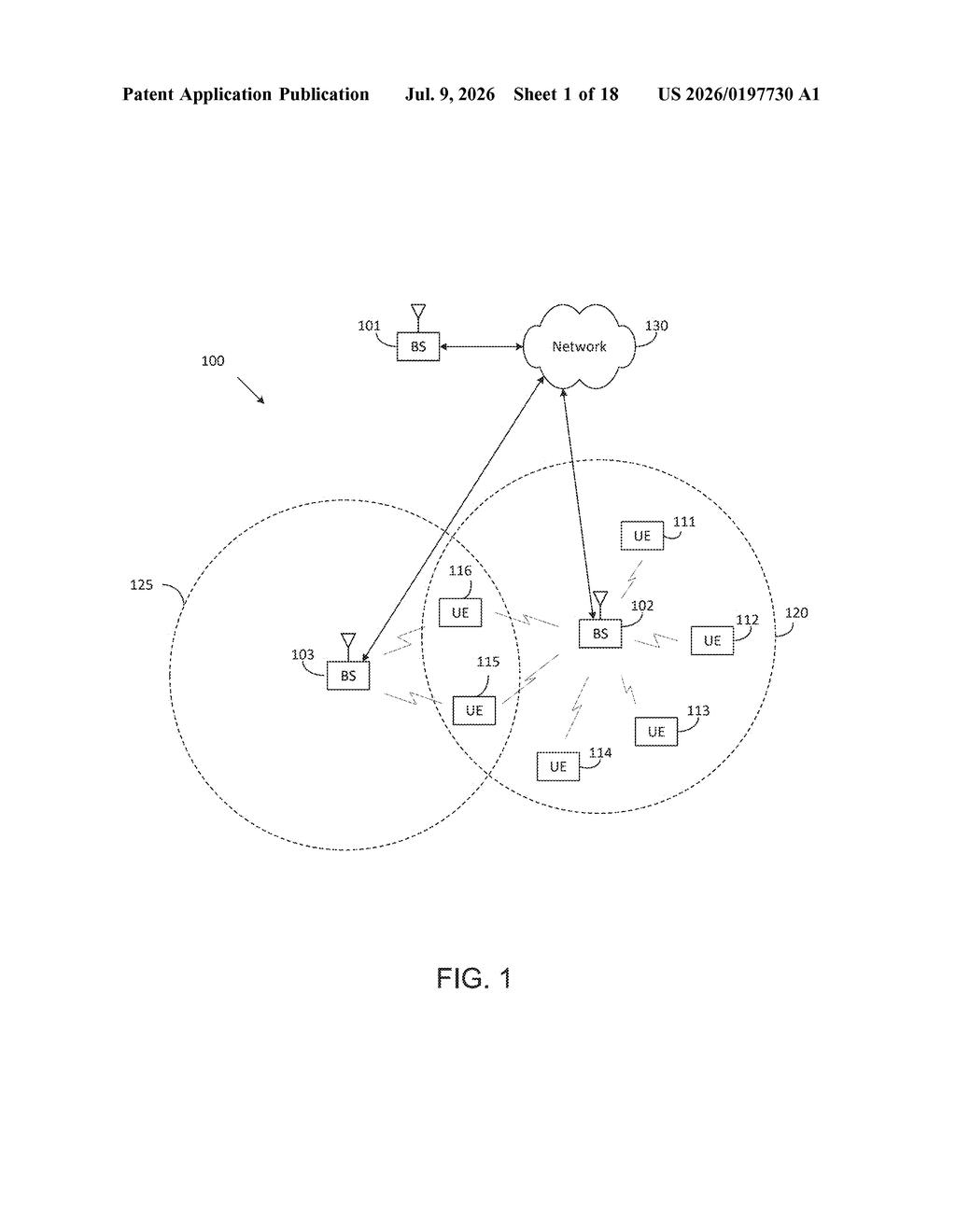
How Samsung's cell-switching patent changes who's in charge
Imagine you're on a video call and you walk around a corner. Your signal drops for a few seconds while your phone and the network go back and forth deciding what to do. That delay is a known pain point in how 5G works today.
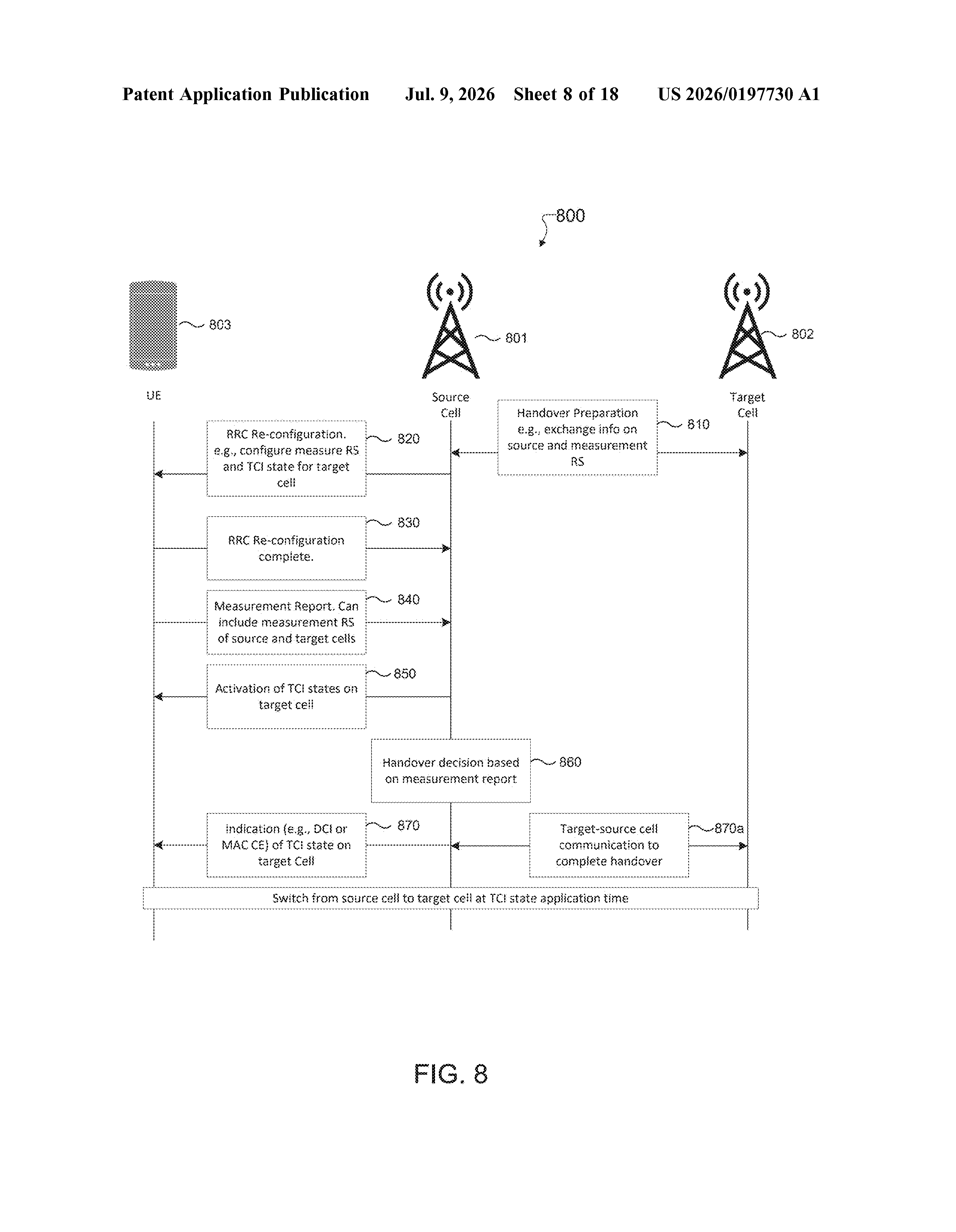
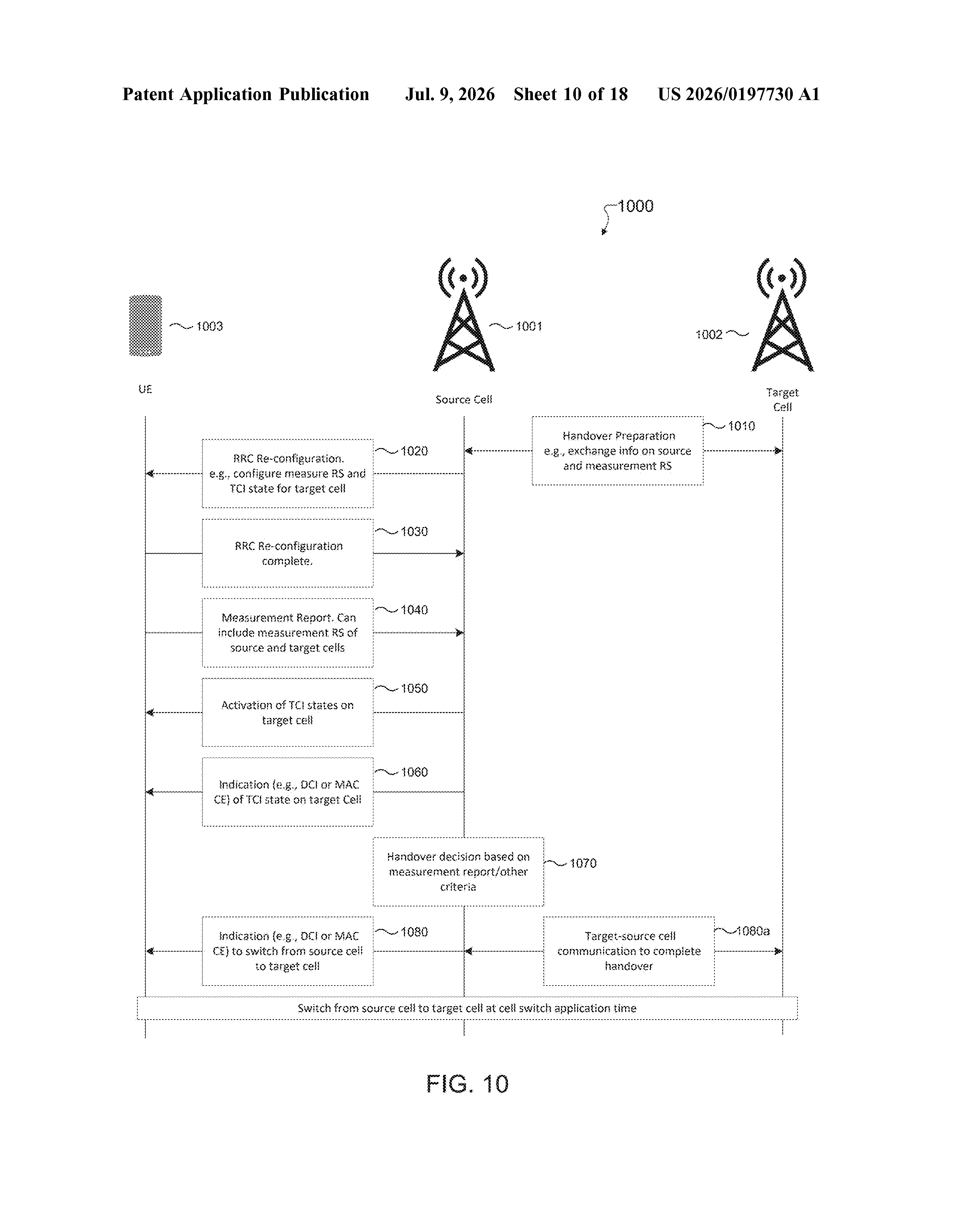
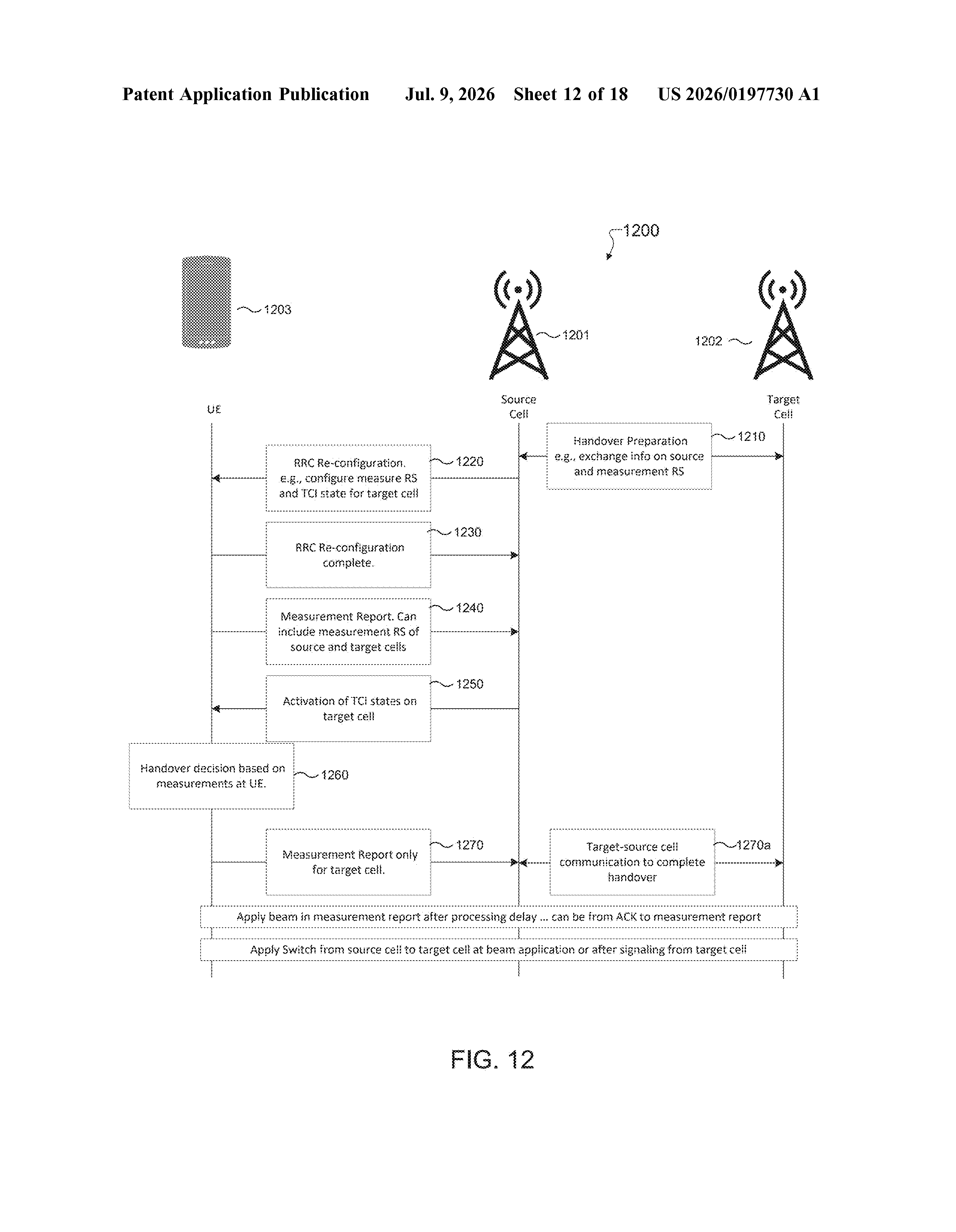
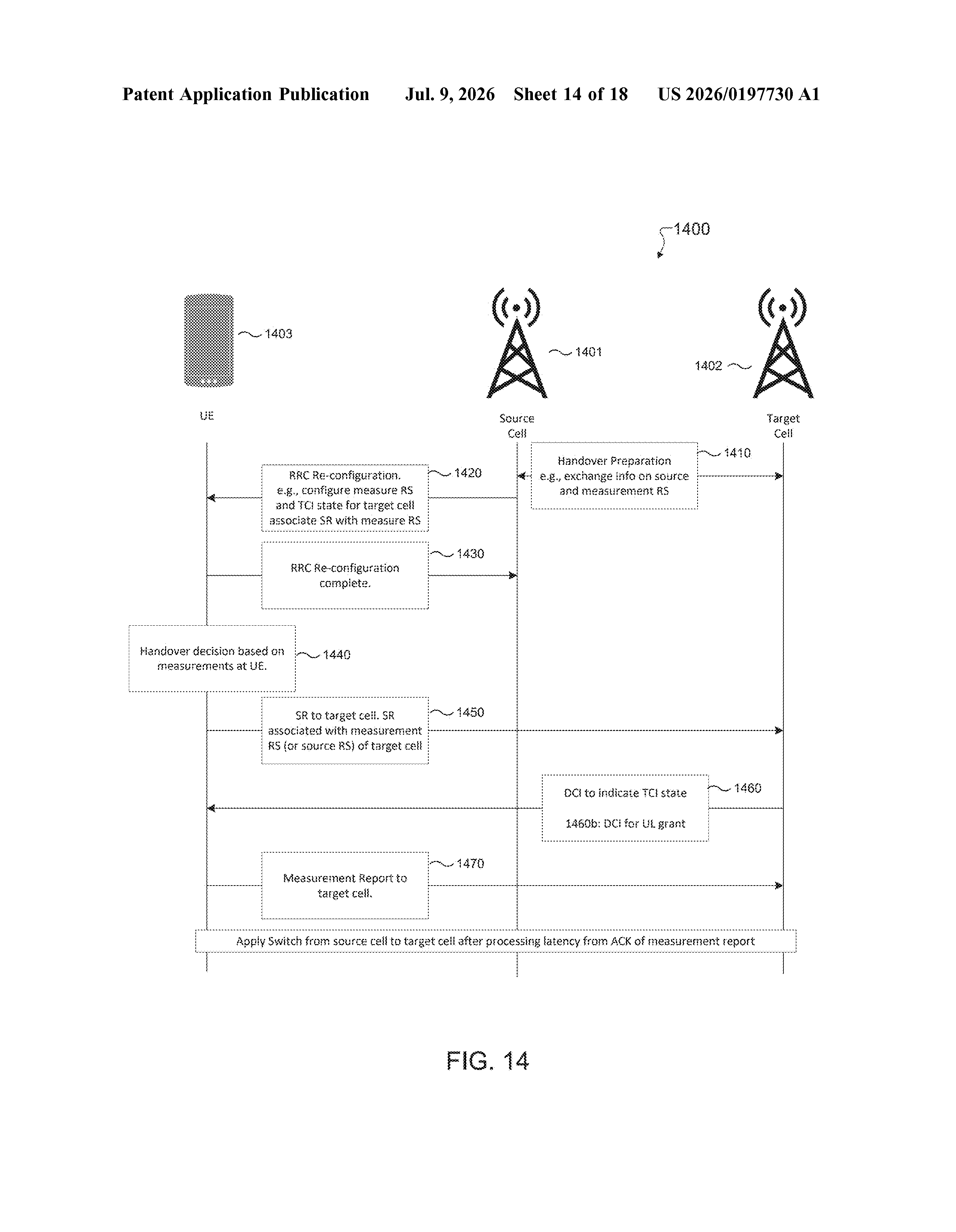
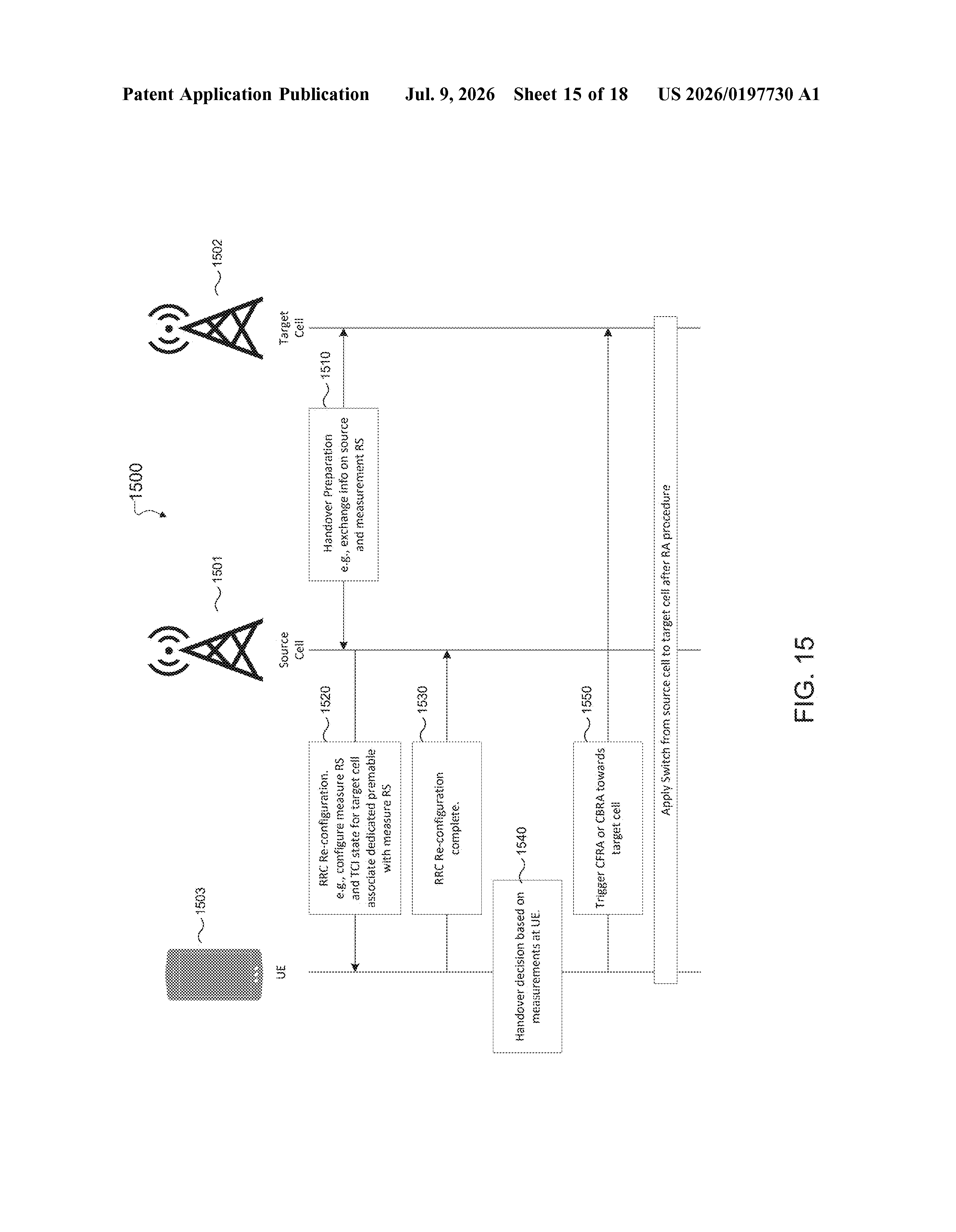
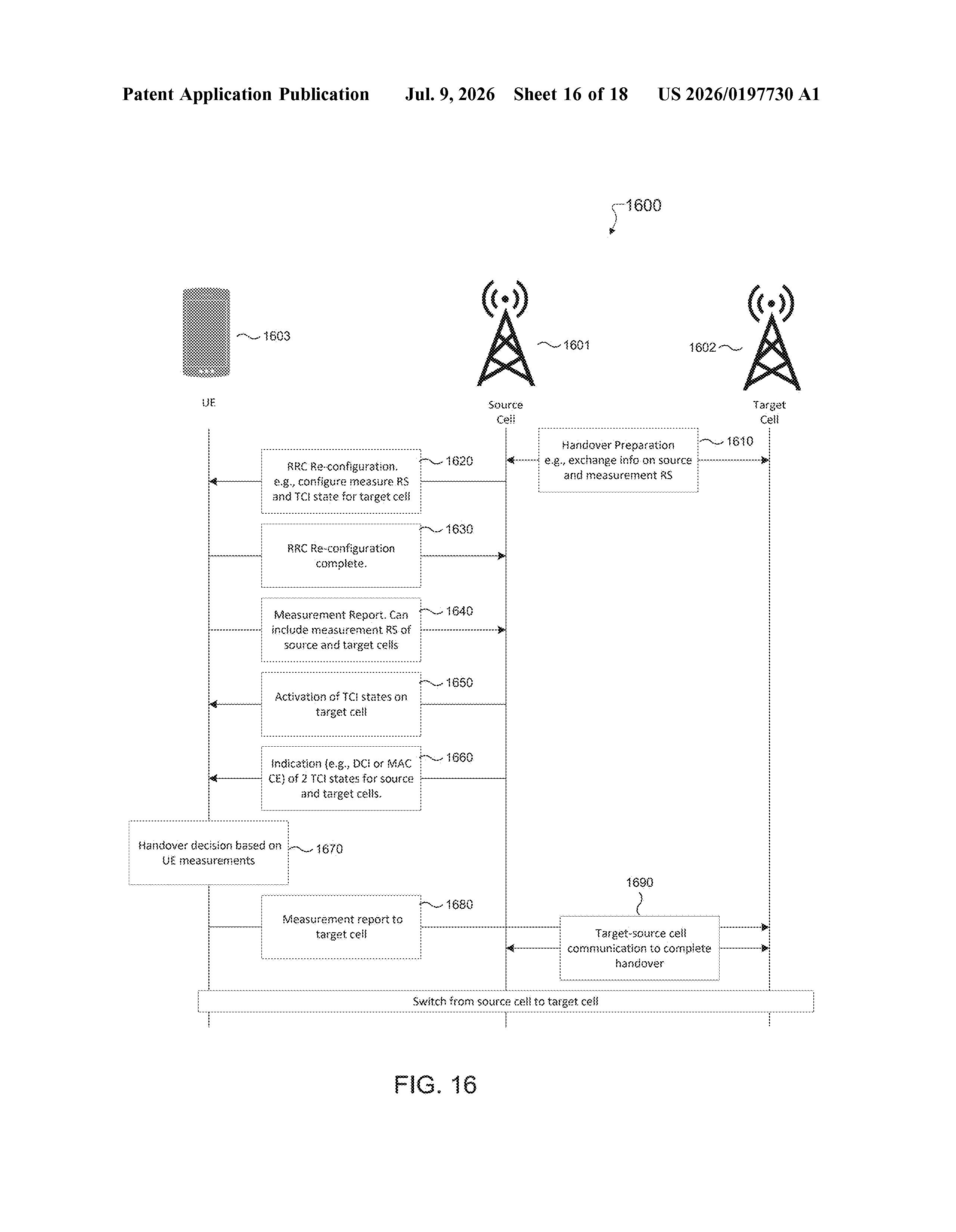
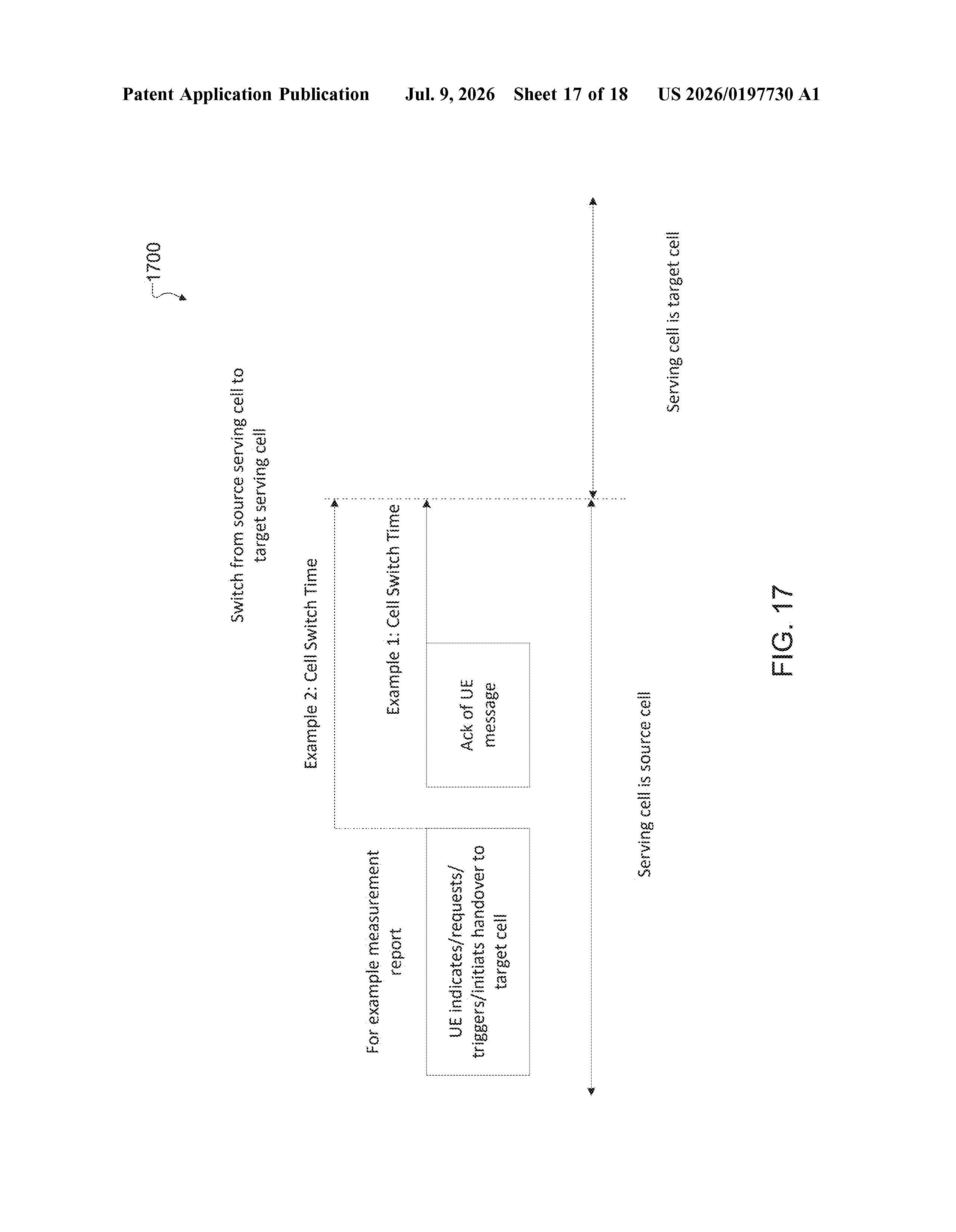
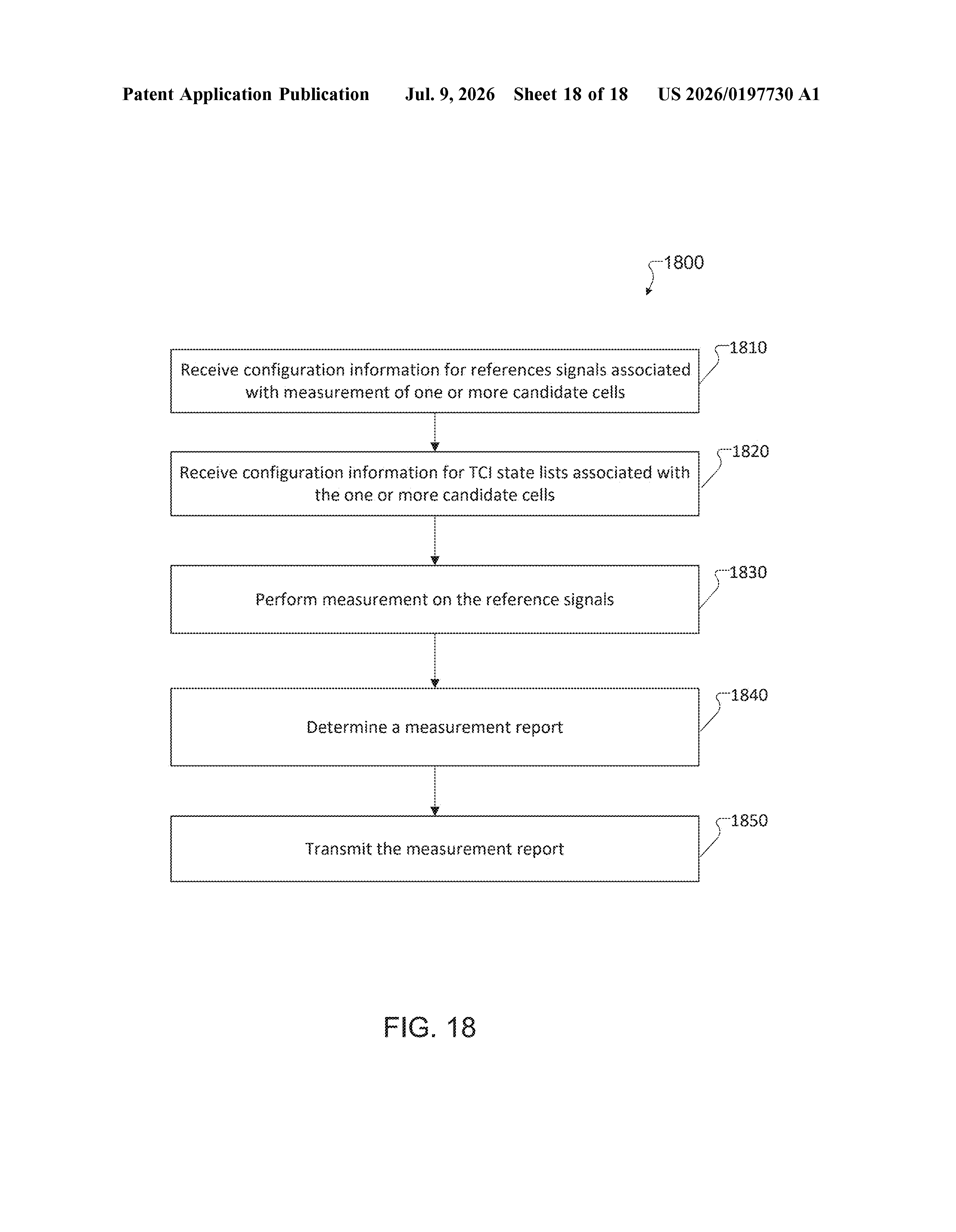
Samsung's patent describes a system where your phone does the heavy lifting. Instead of waiting for the network to initiate a handoff, the phone monitors nearby cells, builds a ranked list of good options, and triggers its own switch when the time is right. The network pre-loads the phone with everything it needs, including beam directions for sending and receiving data, so the actual switch can happen in milliseconds.
The whole thing is designed for what engineers call layer-1/layer-2 mobility, which is a faster, lower-level way of moving between cells compared to the older, slower handoff methods. Think of it as the difference between manually changing lanes and having the car do it for you the moment a gap opens.
Inside Samsung's two-step MAC CE activation and handoff
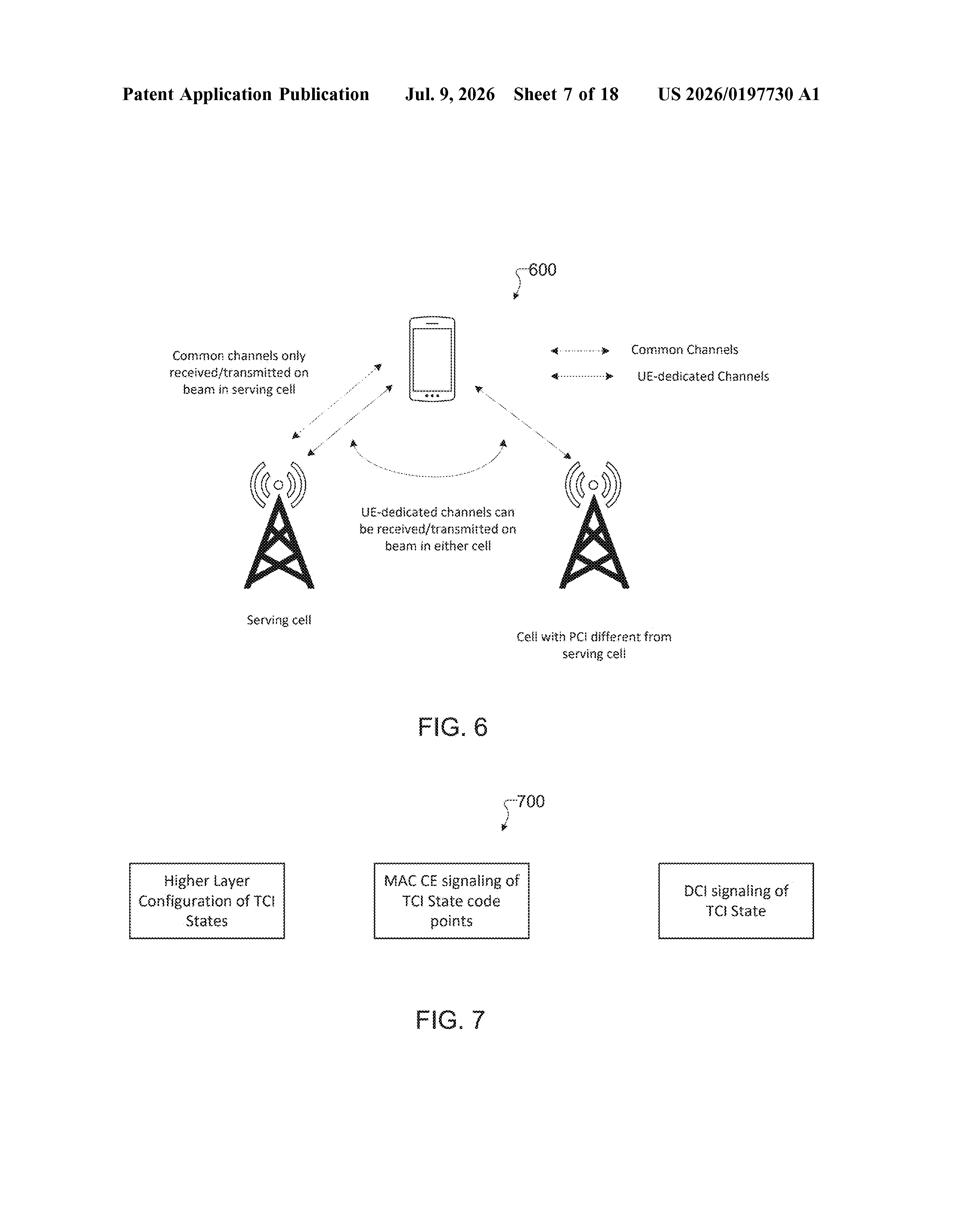
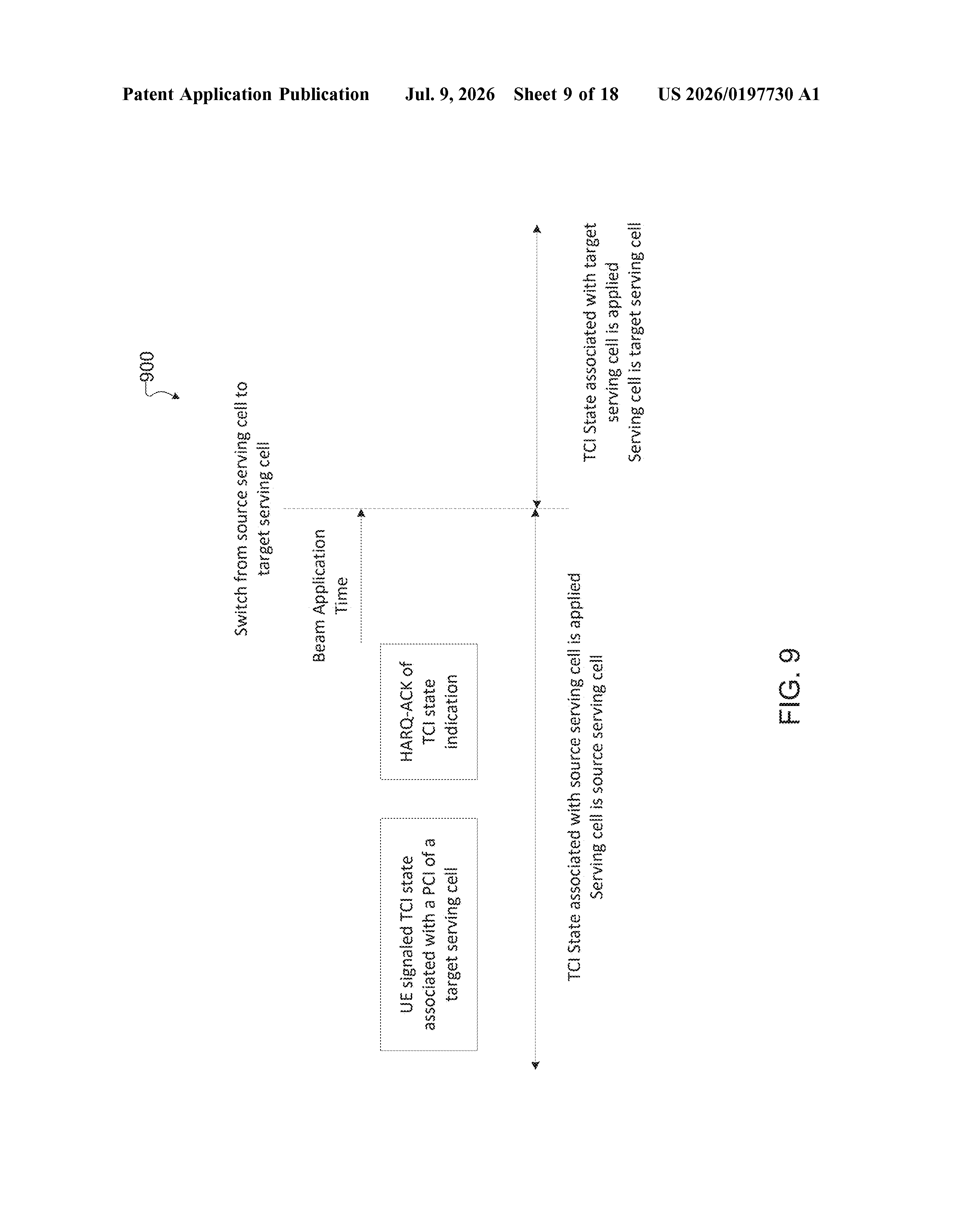
The patent describes a phone (called a UE, or user equipment, in standards language) that receives pre-configured lists of candidate cells it might want to switch to. Alongside those lists, the network sends TCI state lists (Transmission Configuration Indication, which tells the phone exactly which signal beams to use for both sending and receiving data on each candidate cell).
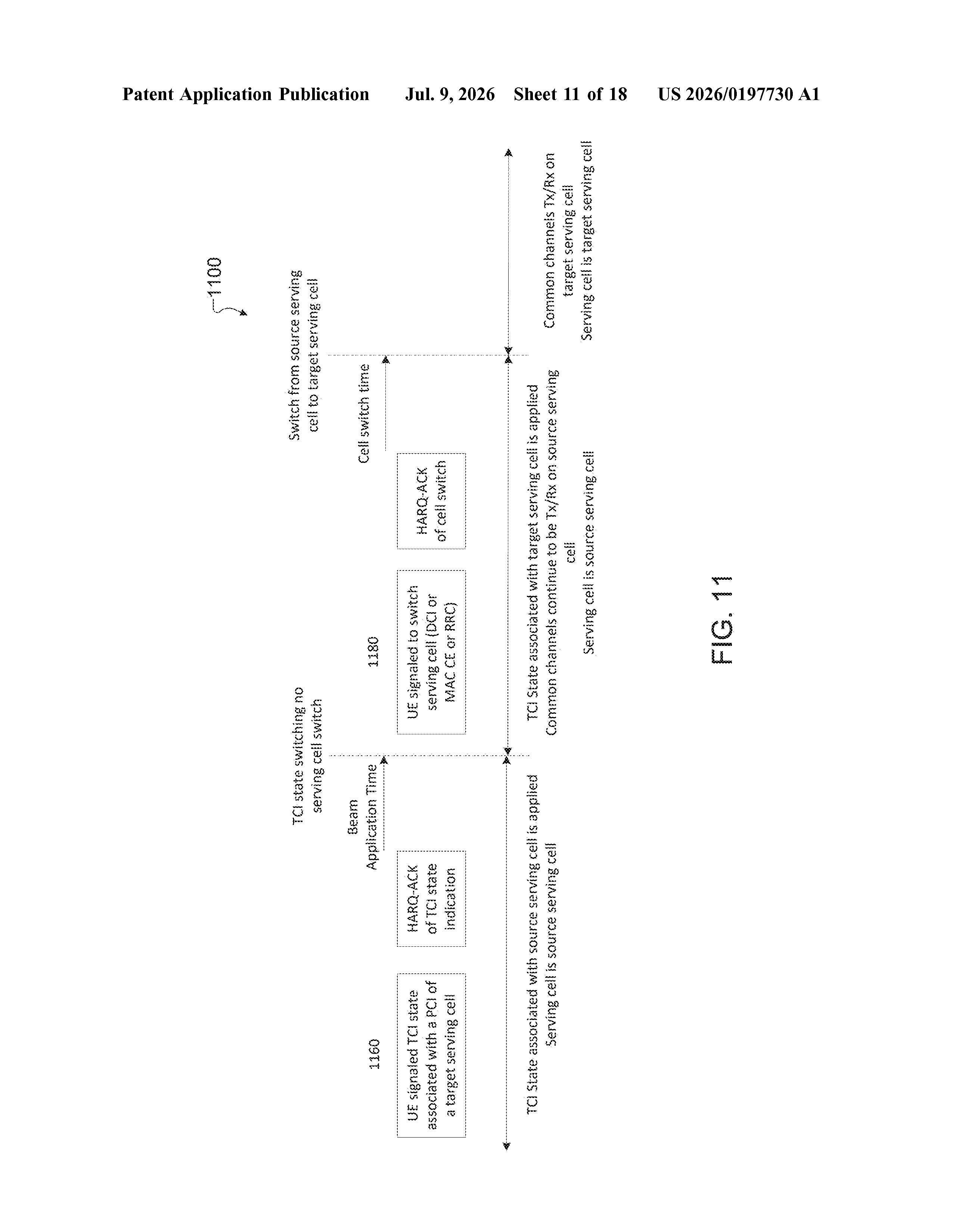
The actual switch happens in two steps using MAC CE messages (MAC Control Elements, which are small, fast control signals sent over the radio link):
- A first MAC CE activates a set of TCI states for a candidate cell, essentially pre-loading the beam configuration the phone will need.
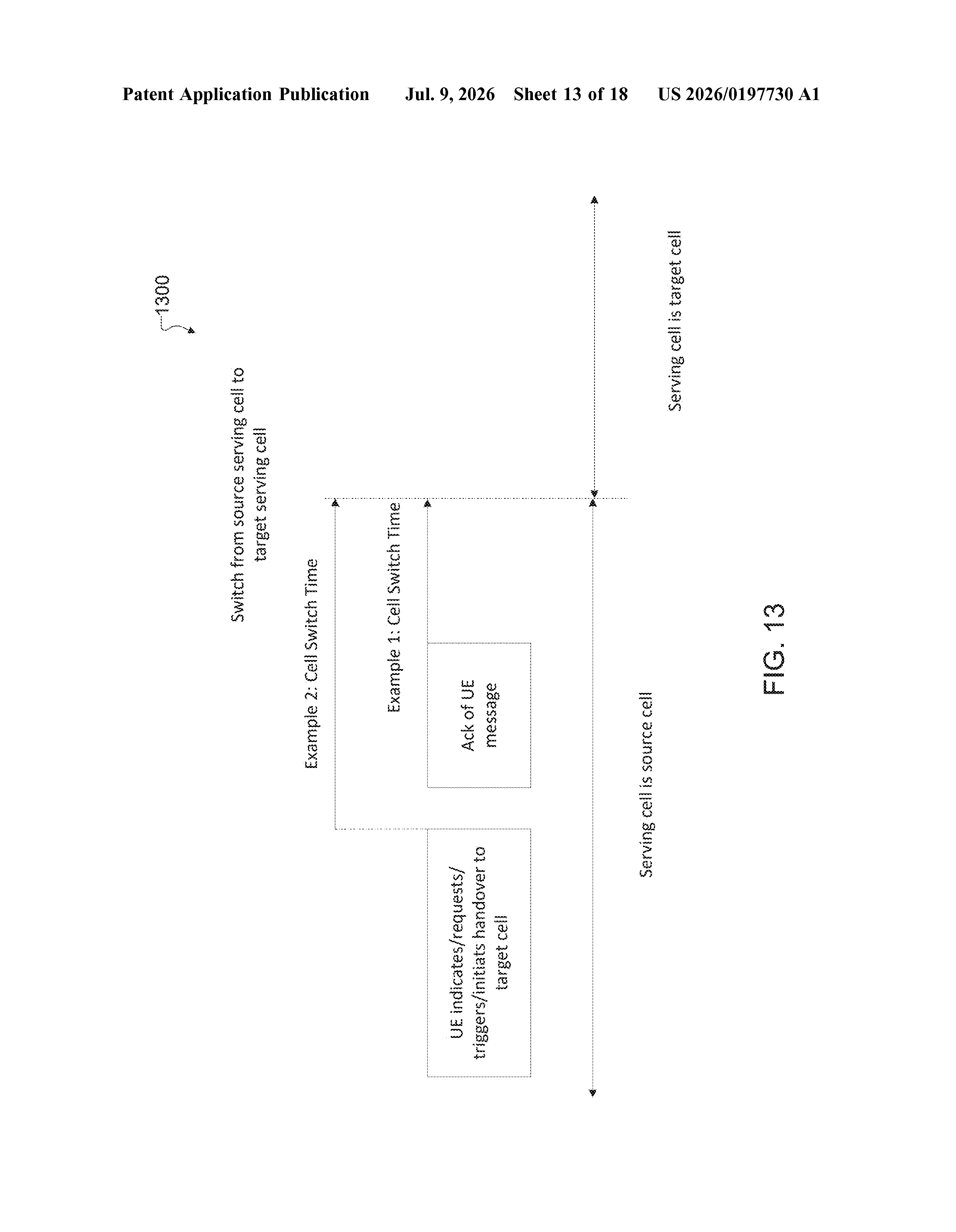
- A second MAC CE pulls the trigger, telling the phone to move to that cell and which specific beam state to use immediately on arrival.
The indicated TCI state carries two important pieces of information: a pathloss reference signal identity (a way to measure how much signal is lost between the phone and the new cell) and an uplink power control identity (which tells the phone how loudly to transmit so it doesn't over- or under-power the connection). These can be configured as a single joint state covering both download and upload, or as separate states for each direction.
What faster cell switching means for 5G speed and call drops
The slow part of traditional cell handoffs isn't the physics, it's the signaling rounds between the phone and the network core. By pre-loading beam configurations and letting the phone trigger the switch itself, Samsung's approach compresses that delay dramatically. For real users, that means fewer dropped calls, less video buffering mid-walk, and more consistent speeds in crowded or complex environments like stadiums and dense city blocks.
This patent is squarely aimed at 5G NR specifications being developed in standards bodies like 3GPP. Samsung, as both a major chipmaker and network equipment vendor, has a direct financial interest in shaping how these rules are written. A granted patent on a core mobility mechanism could carry real weight in licensing negotiations with other device makers and carriers.
This is a solid, serious standards-adjacent patent, not a flashy consumer feature. Samsung is staking out intellectual property in a specific corner of 5G handoff mechanics that matters enormously for real-world performance but will never make a marketing slide. If 3GPP adopts this approach in a future release, every phone maker could end up licensing it.
Get our take in your Top Stories
Liked this breakdown? Add Patentlyze as a preferred source on Google, and our plain-English take shows up more often in your Top Stories the next time Samsung patent news breaks.
There are more where this came from
We read every patent application Big Tech publishes and send you the ones worth knowing. Plain English, free, every week.
The drawings
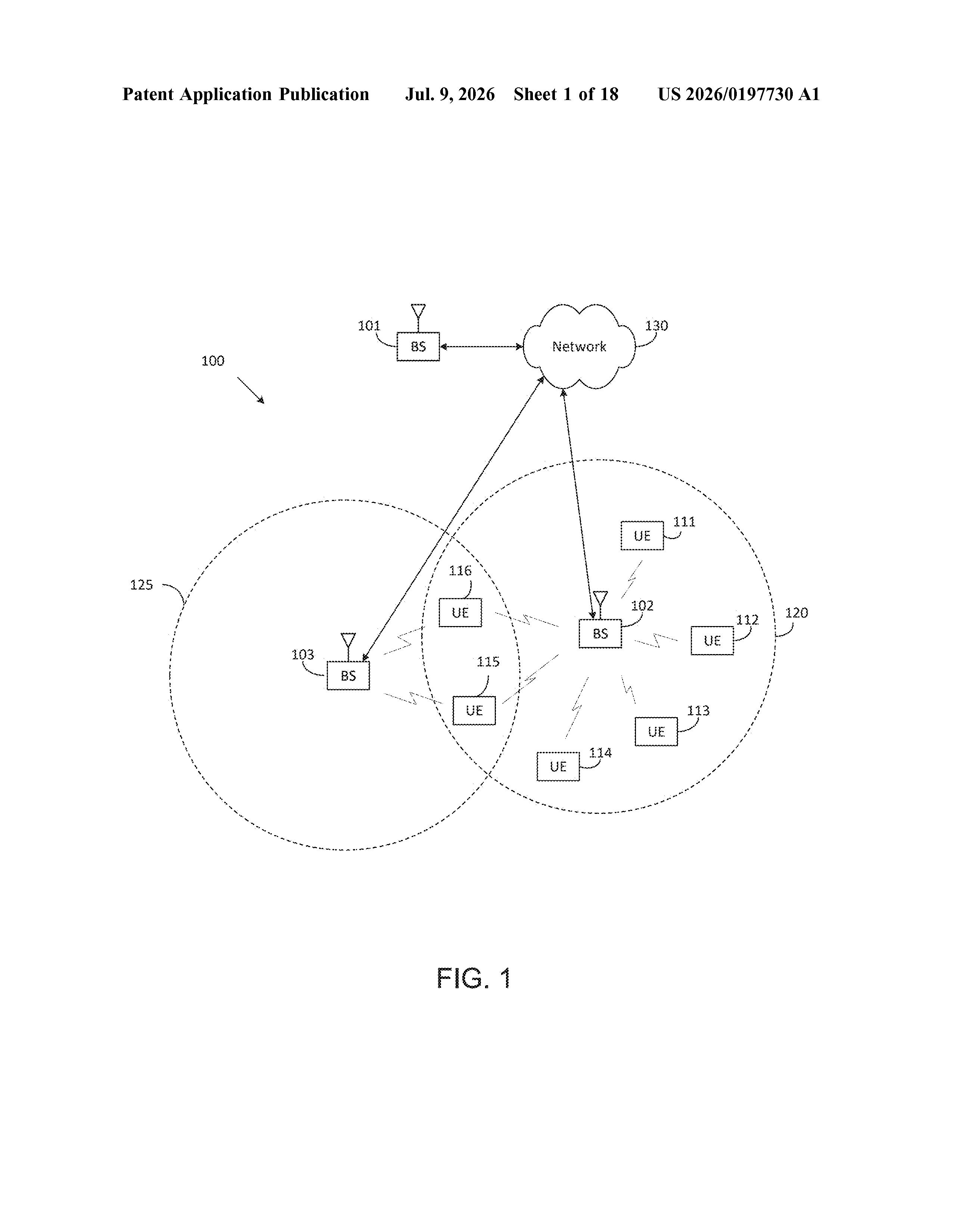
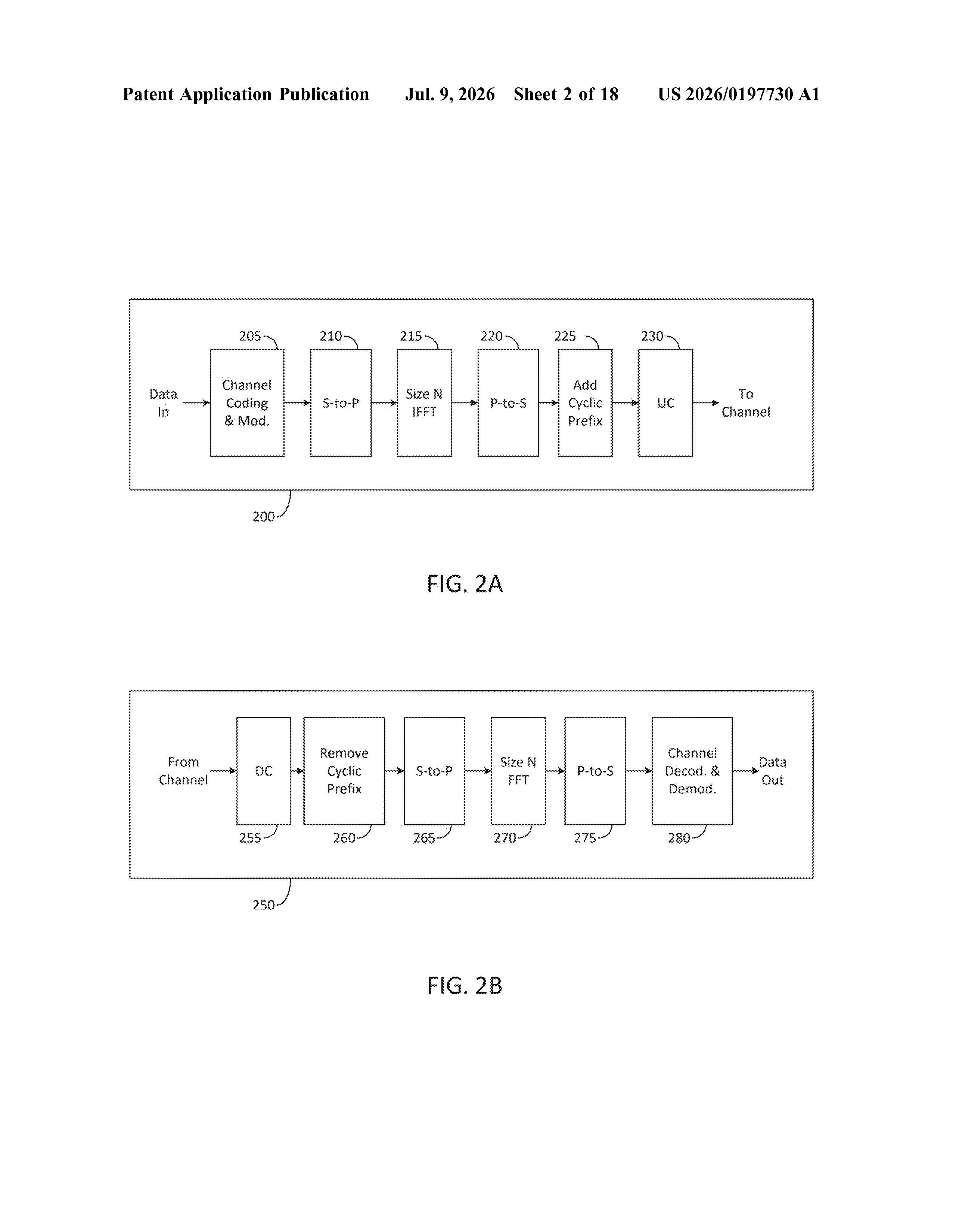
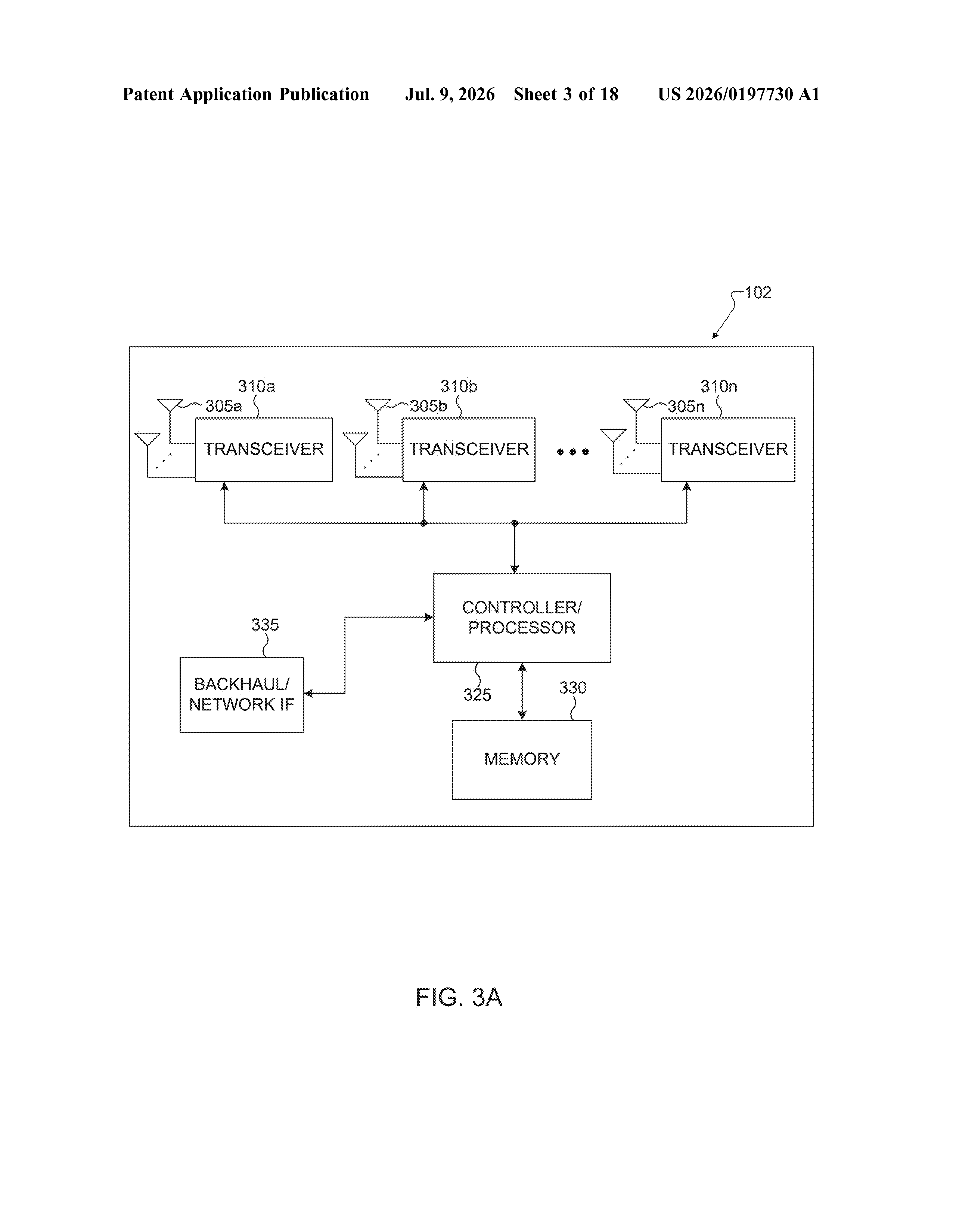
18 drawing sheets from US 2026/0197730 A1 · click any drawing to enlarge
Show the other 10 sheets
Want this weekly breakdown for a company we don't cover? Patentlyze Pro →