
Samsung Patents a Way to Keep Your VPN Running When Your Phone Switches Networks
Every time your phone switches from Wi-Fi to mobile data, your VPN drops and reconnects, sometimes losing your work session in the process. Samsung's new patent describes a way to keep that connection alive through the switch.
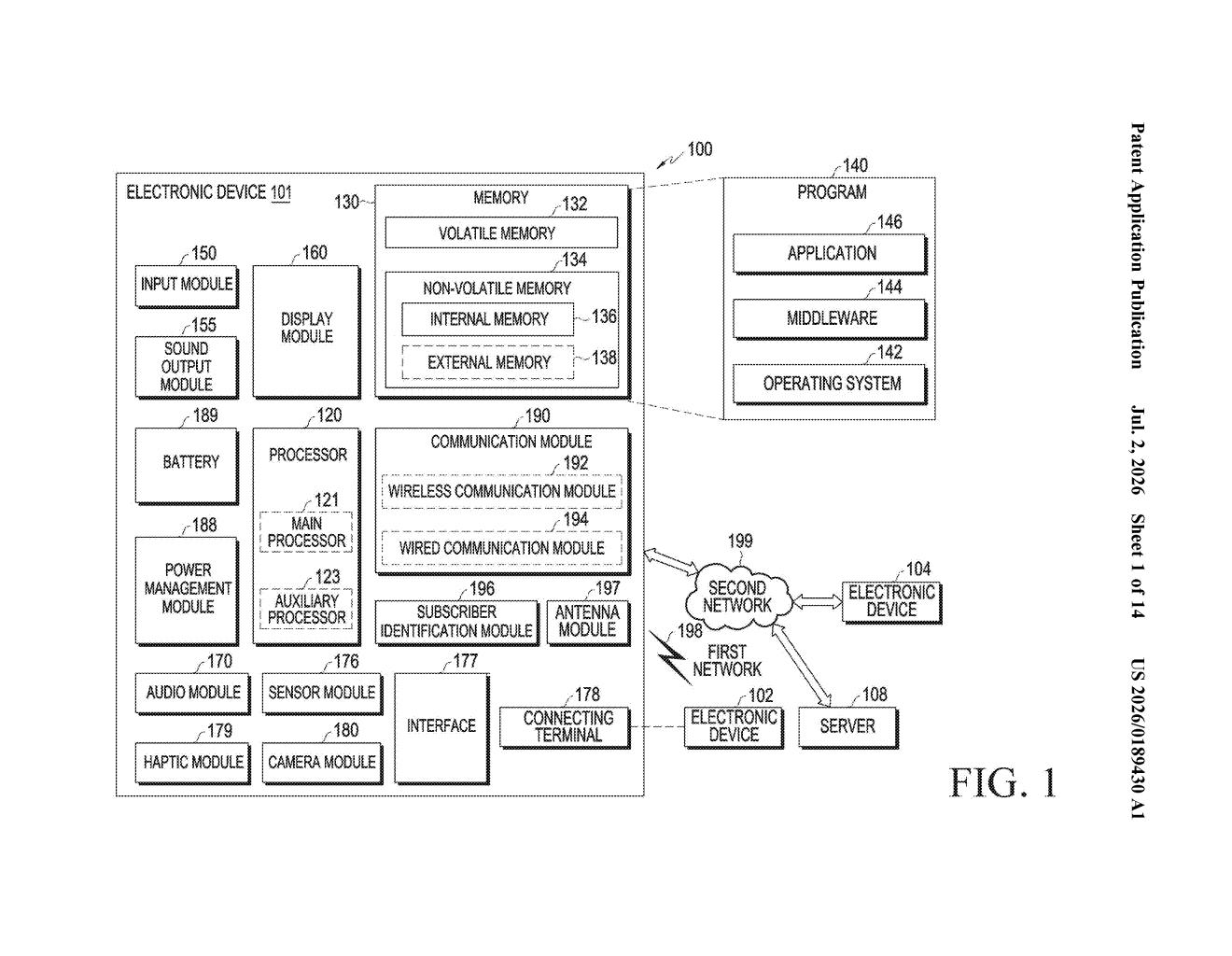
How Samsung's VPN handles switching networks mid-session
Imagine you're working from a coffee shop, connected to your company's VPN through the coffee shop's Wi-Fi. You walk outside, your phone switches to mobile data, and suddenly your VPN is gone. You have to reconnect from scratch, and whatever you were doing is interrupted.
Samsung's patent describes a system that handles this automatically. When your device gets a new IP address (the identifier that tells the internet where to send your data), a middleman server called a relay server informs the VPN server about the change. The VPN connection then updates itself to use the new address instead of dropping entirely.
The key step is a quick check: before alerting the relay server, your device confirms it still holds valid login credentials for the VPN. If it does, it sends the new address over and picks up right where it left off. No full reconnect, no lost session.
How the relay server bridges old and new IP addresses
When a device connects to a VPN (Virtual Private Network), that connection is tied to the device's current IP address, a number assigned by whatever network you're on (your home router, a coffee shop's Wi-Fi, your carrier's mobile data). When you move between networks, that IP address changes, and the VPN typically has no way to follow along, so it disconnects.
Samsung's patent introduces a relay server sitting between the device and the VPN server. Think of it as a switchboard operator who knows where to route traffic even when your address changes.
The process works in steps:
- The device detects that its IP address has changed.
- It checks whether it still holds valid connection credentials for the VPN server (saved tokens or session keys that prove it's an authorized user).
- If valid credentials exist, the device sends an IP address change request to the relay server, including the new IP address.
- The relay server updates its routing and the VPN session continues over the new address.
This avoids a full VPN teardown and re-authentication cycle, which is what currently causes the dropped connection. The relay server absorbs the address change so the VPN server doesn't have to.
What this means for people who rely on VPNs at work
For everyday consumers, this matters most in two situations: commuting with a phone that flips between Wi-Fi and cellular, and using a corporate VPN that requires a full login every time it disconnects. Both are genuinely annoying, and a persistent connection would make VPN use feel more like a background utility rather than something you have to babysit.
For Samsung specifically, this fits into the company's broader push to make Galaxy devices more enterprise-ready. Corporate IT departments care a lot about session continuity because a dropped VPN can mean an interrupted file transfer, a lost remote desktop session, or a security gap while the device reconnects. A patent like this is likely aimed squarely at those buyers.
This is a practical, unglamorous fix for a real problem that anyone who uses a VPN on a mobile device has run into. It's not a product announcement and it's not a surprise that Samsung is thinking about this, enterprise mobility is a serious part of their Galaxy business. Whether this exact relay-server approach is what ships matters less than the signal that Samsung is investing in making VPN handling less brittle.
Get our take in your Top Stories
Liked this breakdown? Add Patentlyze as a preferred source on Google, and our plain-English take shows up more often in your Top Stories the next time Samsung patent news breaks.
There are more where this came from
We read every patent application Big Tech publishes and send you the ones worth knowing. Plain English, free, every week.
Want this weekly breakdown for a company we don't cover? Patentlyze Pro →