
Samsung's New Patent Logs Every Dead Zone Your Phone Hits Across Multiple Towers
Every time your phone silently fails to connect to a cell tower, that failure probably goes unrecorded. Samsung has patented a way to log those failures across multiple towers at once, giving carriers far better data to fix dead zones.
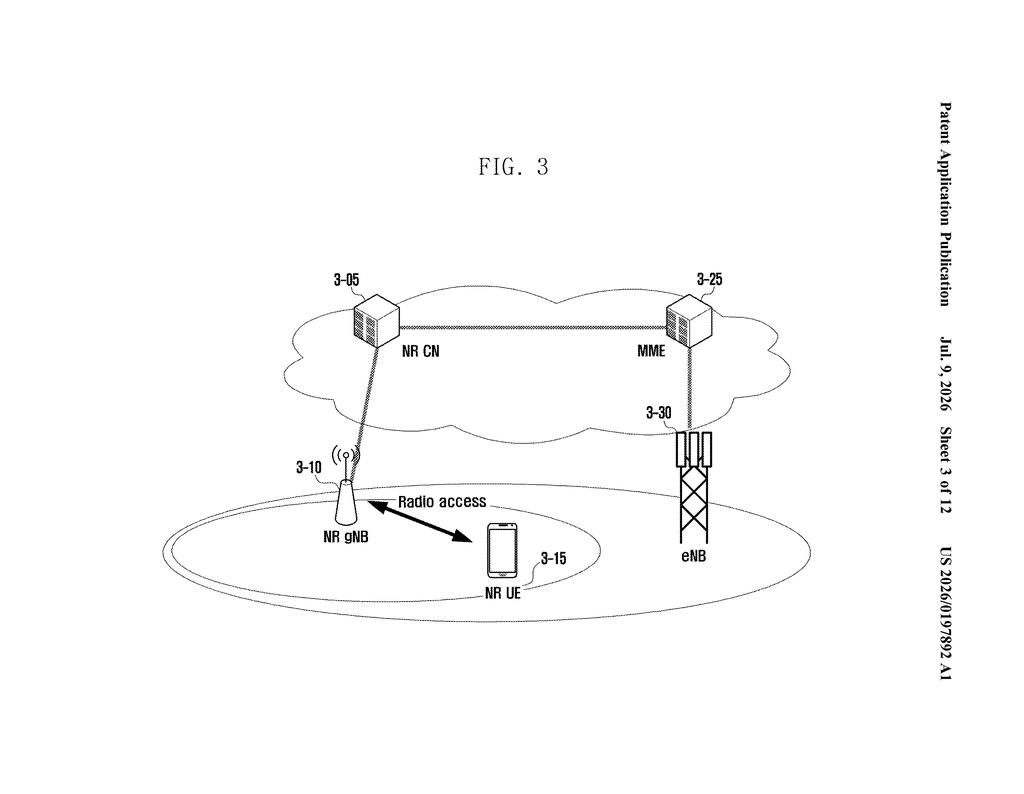
What Samsung's connection failure logging actually does
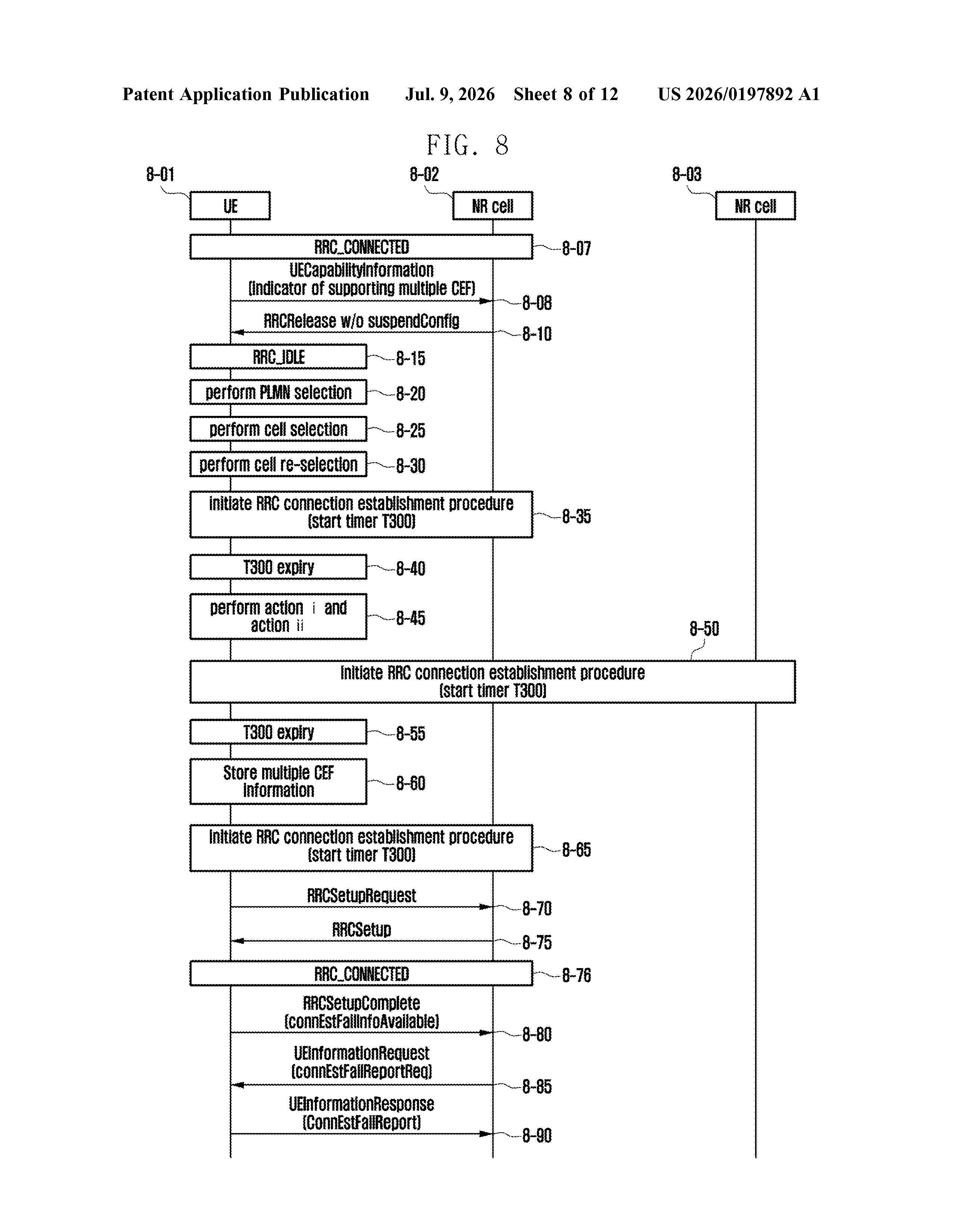
Imagine your phone is trying to connect to a cell tower, but the connection times out. This happens more often than you'd think, especially in dense cities or buildings. The problem is that phones usually only remember the last failed connection, so if you bounced between two bad towers, carriers only hear about one of them.
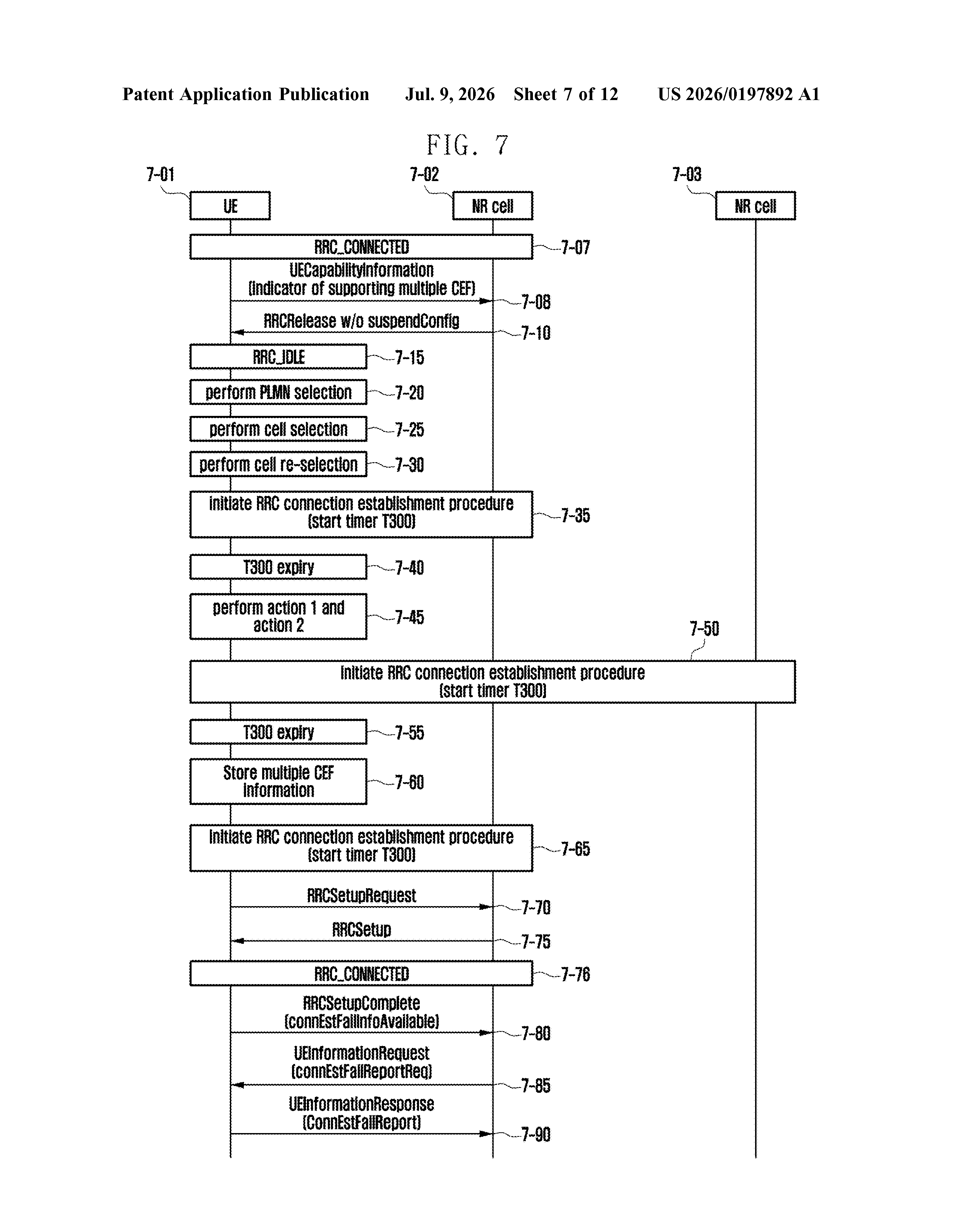
Samsung's patent describes a system where your phone keeps a running list of every cell tower it failed to connect to, not just the most recent one. Each failed attempt gets its own entry in a log, tagged to the specific tower involved.
When your phone finally does reach the network, it sends that full log to the carrier. Engineers can then see exactly which towers are causing problems and how often, giving them the real picture instead of just a snapshot.
How the UE variable list captures multi-cell failures
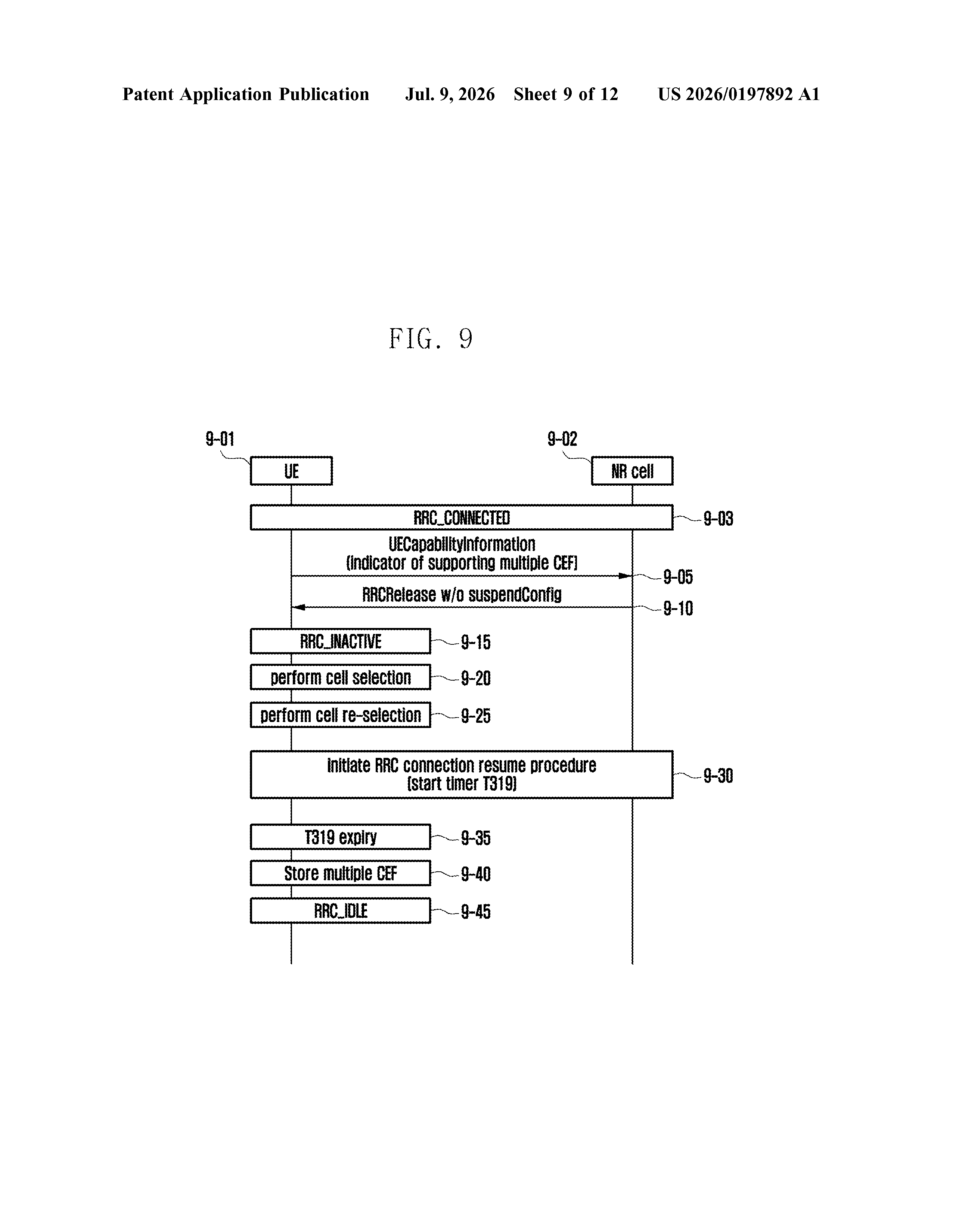
The patent describes a method for a User Equipment (UE), the technical term for a phone or cellular device, to log connection failures in a structured way when trying to establish or resume a 5G connection.
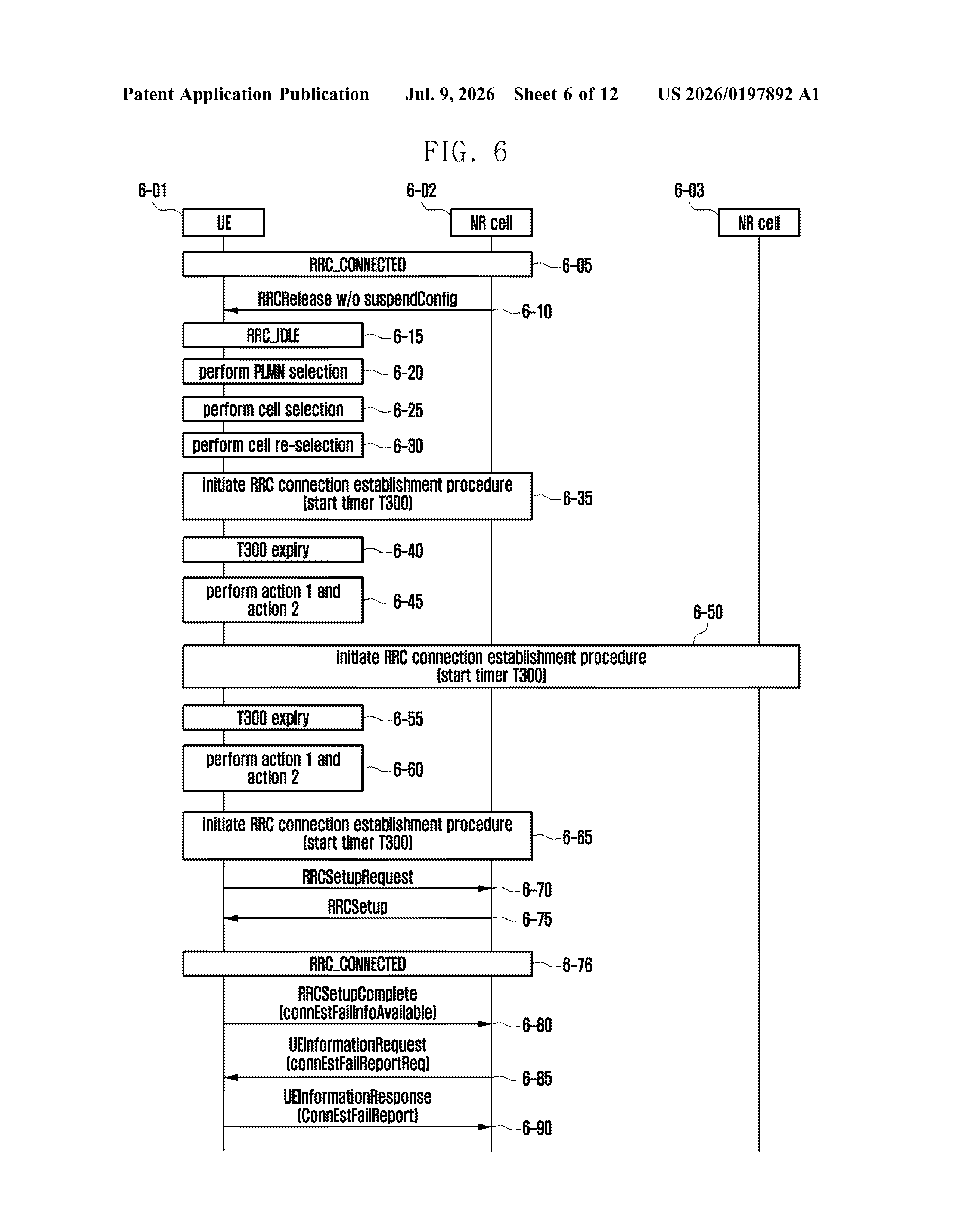
Currently, a phone stores failure information in a single variable tied to one cell tower. If a new failure happens on a different tower before the first report is sent, the old data gets overwritten. Samsung's approach avoids this by checking whether the new failure happened on the same tower or a different one.
- If it's a different tower, the existing failure data gets moved into a separate list entry before the new failure is recorded.
- If it's the same tower, the existing variable is updated in place.
- When the phone eventually connects, it sends both the current variable and the full list of past failures to the network.
The mechanism uses a timer to define when a connection attempt has officially failed, a standard tool in cellular protocols where waiting too long for a response counts as a timeout. The result is a multi-entry failure log instead of a single overwrite-prone record.
What this means for 5G network troubleshooting
For carriers, connection failure data is the primary tool for identifying and fixing poor coverage areas. If that data only reflects the last failed tower instead of all the towers a phone tried, network engineers are working with an incomplete picture. Samsung's logging approach could make dropped-call and dead-zone diagnostics meaningfully more accurate.
For you as a user, the benefit is indirect but real: better diagnostic data means carriers can prioritize fixes in the right places. This kind of infrastructure work tends to be invisible until the day your phone just... works where it didn't before.
This is a fairly narrow piece of cellular standards engineering that solves a genuine data-quality problem in network diagnostics. It's not exciting on its own, but the kind of patent that ends up in shipping firmware because the fix is small and the upside for carriers is clear.
Get our take in your Top Stories
Liked this breakdown? Add Patentlyze as a preferred source on Google, and our plain-English take shows up more often in your Top Stories the next time Samsung patent news breaks.
There are more where this came from
We read every patent application Big Tech publishes and send you the ones worth knowing. Plain English, free, every week.
The drawings
12 drawing sheets from US 2026/0197892 A1 · click any drawing to enlarge
Show the other 4 sheets
Want this weekly breakdown for a company we don't cover? Patentlyze Pro →