
Streaming Patent Adjusts Quality Based on Viewer Attention
Sony wants its streaming system to notice when you look away from the screen and drop the video quality to save bandwidth, then bring it back up when you're paying attention again.
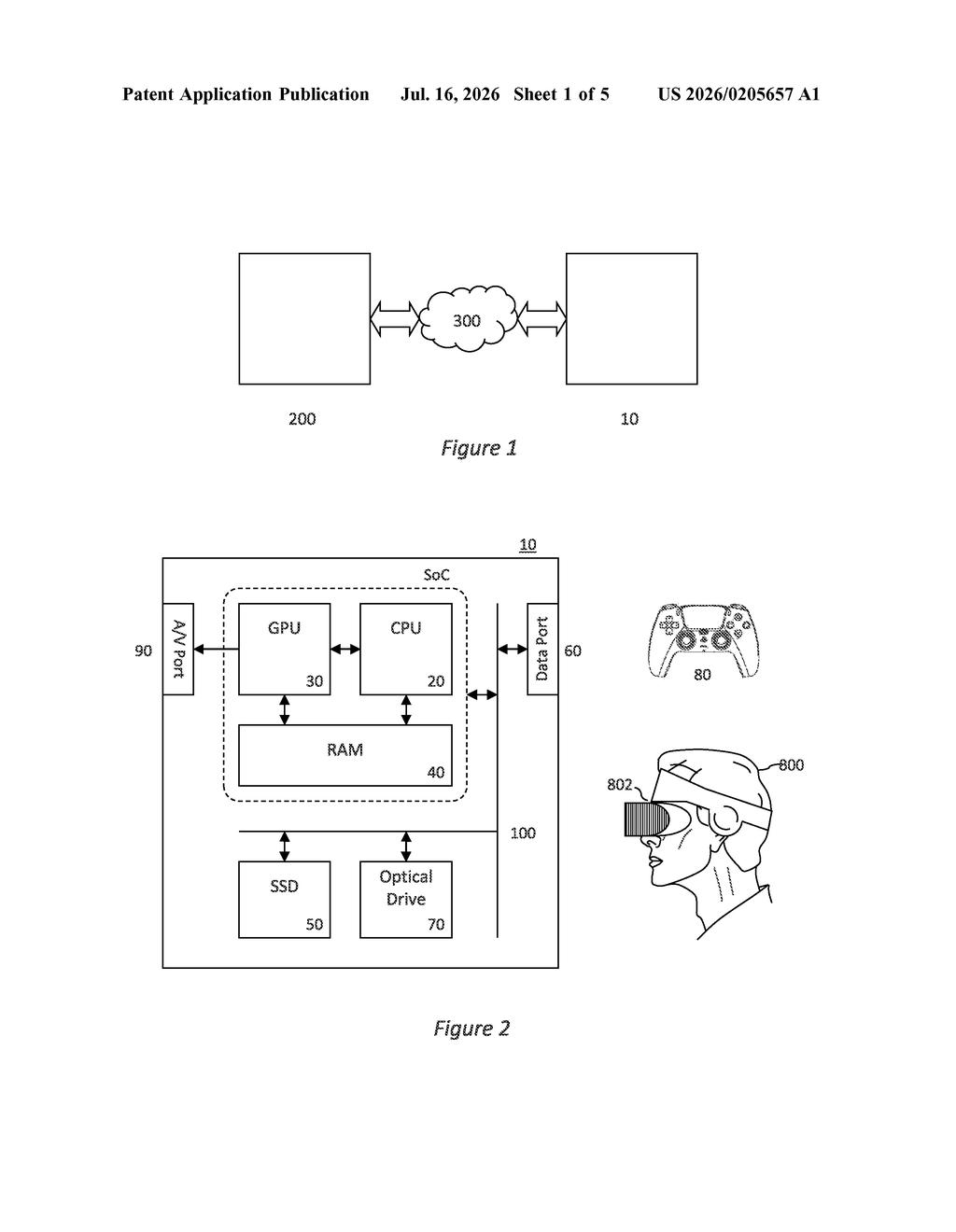
What Sony's attention-aware streaming actually does
Picture this: you're streaming a movie on PlayStation and you glance down at your phone for a minute. Sony's patented system would detect that your attention has drifted and automatically serve you a lower-quality video stream during that window. When you look back up, quality goes back up too.
The key idea is that full 4K streaming is wasted if nobody's really watching. By estimating how closely you're paying attention, the server compresses different parts of the video at different quality levels, matching the effort it puts into each frame to whether that frame is actually going to be appreciated.
Sony's approach works in both directions: your device sends attention signals back to the server, and the server adjusts how it encodes and compresses the stream before sending it to you. It's not just a local trick on your TV or console; the intelligence lives on Sony's end.
How the server reads attention and re-encodes on the fly
The patent describes a two-part system. On the client side (your PlayStation or TV), the device estimates your attention level, probably using camera-based gaze tracking or input signals, and sends that as feedback to the server. On the server side, Sony's system uses that feedback to decide how aggressively to compress the video.
Critically, the server doesn't treat the entire stream the same way. Different portions of the content can be compressed at different quality levels within the same stream. A scene you're actively watching might get high-quality encoding; a segment where your attention wandered might get a more compressed version that uses far less bandwidth.
The encoding process itself is determined dynamically based on the incoming user feedback signal. This is what makes it different from simple adaptive bitrate streaming (the existing technology that adjusts quality based on your internet speed). Here, the trigger is your behavior, not your connection.
The patent covers both the server-side compression logic and the client-side decoding flow, suggesting Sony intends this as a full-stack feature rather than a bolt-on tweak.
What this means for PlayStation streaming and bandwidth
For PlayStation Network and Sony's cloud gaming and video services, this patent points toward a way to serve more users on the same infrastructure without obviously degrading the experience. If the system correctly identifies moments when you're distracted, it can cut bandwidth usage during those windows without you ever noticing a quality drop.
For you as a user, the practical effect could be lower data consumption on metered connections, or smoother streaming in congested network conditions. The flip side is that this requires the device to monitor where you're looking or how you're interacting, which raises privacy questions Sony would need to address before shipping anything like this to consumers.
This is a genuinely practical idea with a real-world payoff: streaming services burn enormous bandwidth on frames nobody is actually looking at. Sony has the hardware (PlayStation cameras, PSVR 2 eye tracking) to feed this system real attention data, which gives this patent more teeth than it would have from a pure software company. The privacy angle will need careful handling, but the core concept is sound.
There are more where this came from
We read every patent application Big Tech publishes and send you the ones worth knowing. Plain English, free, every week.
Want this weekly breakdown for a company we don't cover? Patentlyze Pro →
Be the first to weigh in