
Adobe Patents an AI That Blends Any Subject Into Your Photos Seamlessly
Imagine pointing at a photo of your pet turtle and telling an AI to place it naturally into a picture of a beach — same lighting, same color palette, no obvious Photoshop seams. That's the core idea Adobe is patenting here.
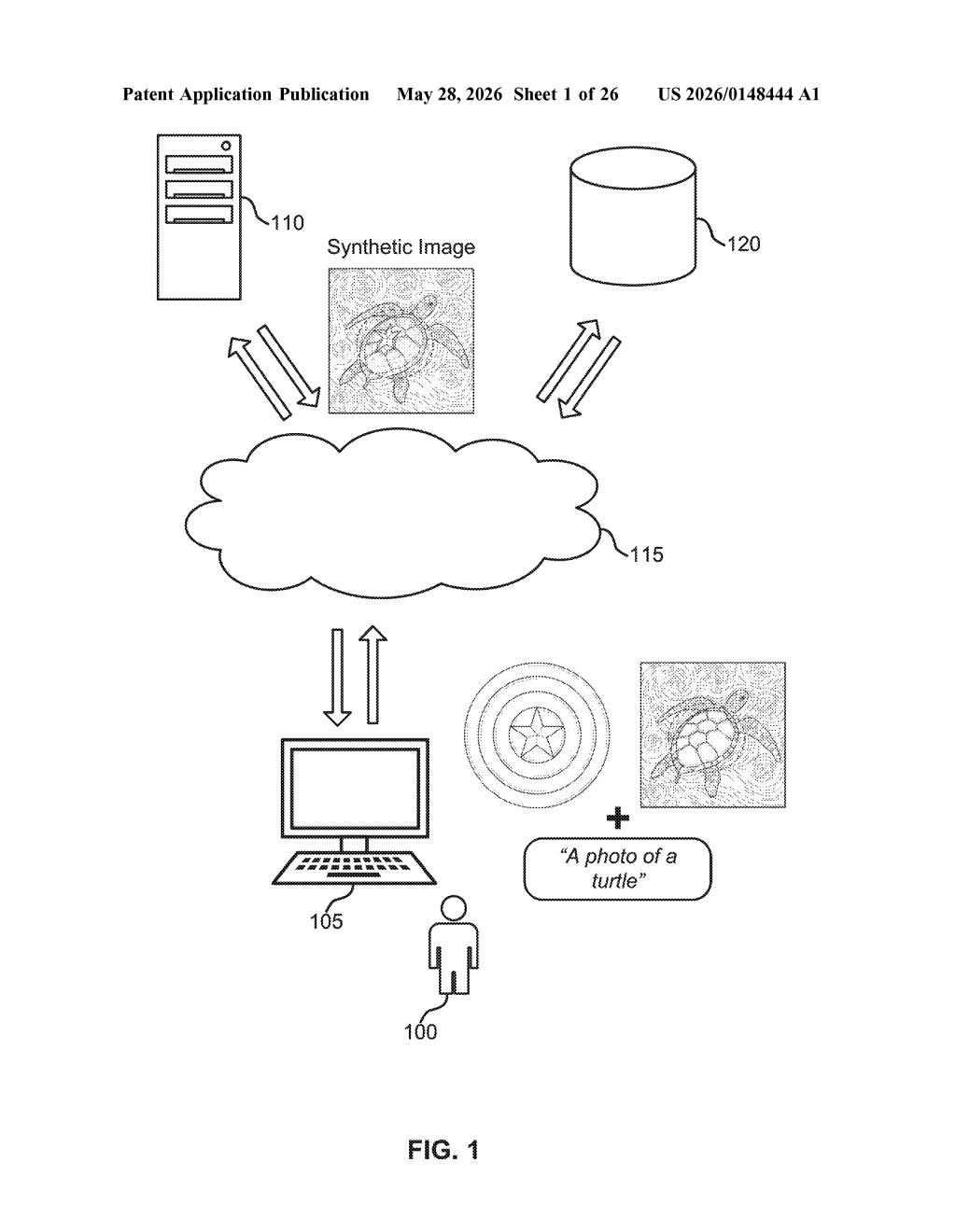
What Adobe's subject-driven image editing actually does
Imagine you have two photos: one of your dog, and one of a cozy living room. You want to see what your dog would look like sitting on that couch, with the same warm lighting and color tone the room has. Normally, doing that convincingly takes a professional editor and a lot of time.
Adobe's patent describes a system that handles this automatically. You provide a concept image (the subject you want to place, like your dog), a source image (the scene you want it placed into), and a simple mask that marks where in the scene the subject should appear. The AI then analyzes the visual style of the scene — its lighting, color, texture — and applies those qualities to your subject before generating the final composite image.
The result is a synthetic image where your subject looks like it belongs in the scene, not like it was pasted in. This is aimed squarely at making AI-assisted editing feel more natural and less like a collage.
How style transfer locks the subject to the scene's look
The patent describes a three-input pipeline: a concept input (any image representing the subject you want to insert), a source image (the background scene), and an input mask (a simple shape or region marking where the subject should land in the scene).
The key technical step is style transfer — a process where the visual characteristics of one image (here, the source scene) are extracted and applied to another (the concept subject). But instead of applying style globally, the system uses the mask to focus the style transfer specifically on the region where the subject will appear. This means the subject picks up localized lighting and color cues from exactly the spot it's being placed into, not from the whole scene averaged together.
Once those concept features — the style-adjusted representation of the subject — are generated, they're fed into an image generation model (likely a diffusion model, given industry context) which synthesizes the final composite image.
The output is a single cohesive image where the subject from the concept input appears within the scene from the source image, positioned at the masked location, with visual style coherence baked in from the start rather than patched on afterward.
What this means for Adobe's generative AI tools
For anyone using Adobe's creative tools — Photoshop, Firefly, Express — this kind of patent points toward a future where dropping a subject into a scene is a guided, one-click operation rather than a multi-step manual compositing job. The style-transfer-before-generation approach is a meaningful technical choice: by matching the subject's look to the scene before the generative model runs, rather than trying to fix mismatches after the fact, the results should be more coherent with fewer artifacts.
On a strategic level, Adobe is filing this as generative AI compositing becomes a crowded space. Tools from Google, OpenAI, and a wave of startups already do subject insertion, but the explicit mask-guided, style-transfer-first framing here gives Adobe a specific technical angle to defend and build on within its existing product ecosystem.
This is a genuinely useful filing, not just a defensive land-grab. The style-transfer-before-generation approach tackles one of the most persistent annoyances in AI image editing — that pasted subjects always look slightly 'off' because they carry their own lighting and color signature. Adobe is trying to solve that at the architecture level, which is the right instinct. Whether it ends up in Firefly or Photoshop's generative fill, it's a concrete step toward AI compositing that doesn't embarrass professional users.
Get our take in your Top Stories
Liked this breakdown? Add Patentlyze as a preferred source on Google, and our plain-English take shows up more often in your Top Stories the next time Adobe patent news breaks.
There are more where this came from
We read every patent application Big Tech publishes and send you the ones worth knowing. Plain English, free, every week.
Want this weekly breakdown for a company we don't cover? Patentlyze Pro →