
Qualcomm Patents a System That Starts Multiple Audio Streams in Perfect Sync
Anyone who's ever heard a slight echo between two Bluetooth speakers in the same room knows how badly audio sync can fall apart. Qualcomm's new patent goes after that problem at the hardware level.
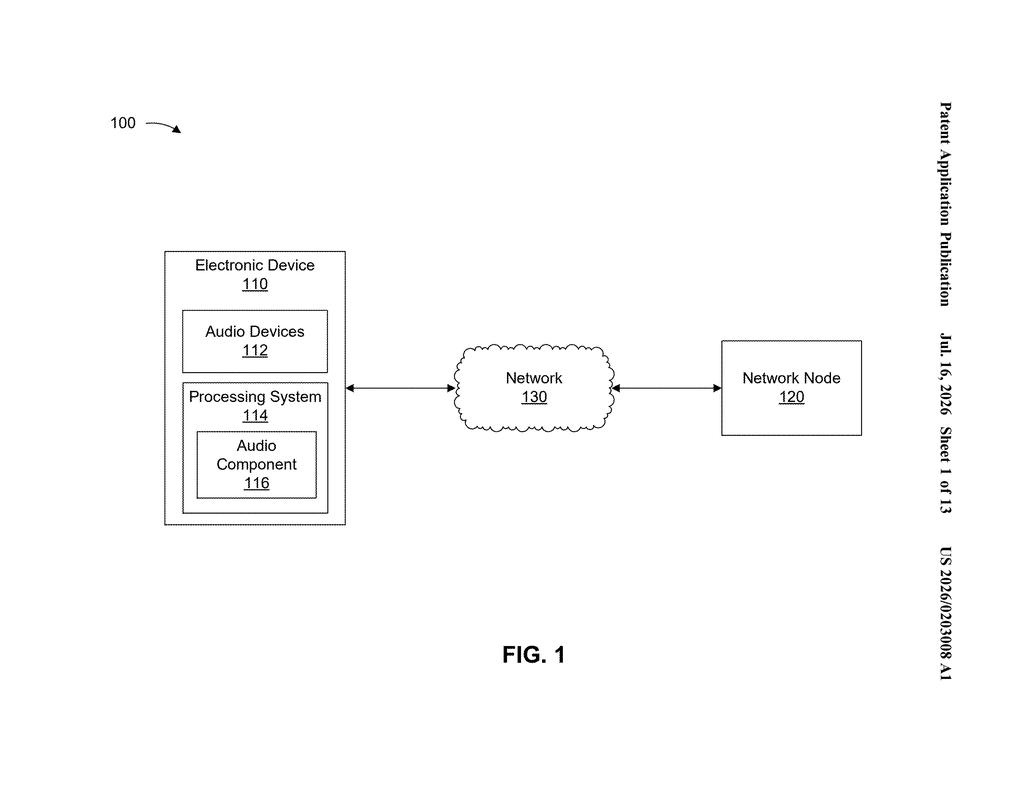
What Qualcomm's synchronized audio startup actually does
Imagine you have two wireless speakers playing the same song, or a pair of earbuds where each ear is technically its own audio device. If those two devices don't start playing at exactly the same moment, you get a tiny echo or a hollow, off-center sound. It's subtle but noticeable, and it's a surprisingly hard problem to fix.
Qualcomm's patent describes a system where a central audio controller rounds up all the audio connections it needs, checks that every single one is ready, and only then fires a single "go" signal to start them all at the same instant. No device jumps the gun while another is still warming up.
This kind of approach is relevant anywhere you have multiple audio feeds running together: true wireless earbuds, multi-room speaker setups, hearing aids, or even professional audio gear built on Qualcomm chips. The goal is to make the timing gap between channels so small it becomes inaudible.
How the audio controller coordinates each interface's start
The patent describes an audio controller that manages a group of audio connections it calls a synchronous audio group. Each connection (called an audio interface) corresponds to a separate audio stream, such as the left channel, the right channel, or a third speaker.
The process works in three stages:
- Initialize: The controller sends a first signal to every audio interface in the group, telling each one to get ready.
- Monitor: The controller watches each interface's status, waiting until every single one reports that it has finished initializing. No one starts early.
- Start: Once all interfaces are confirmed ready, the controller sends a second signal that triggers them all at the same synchronous point, meaning a shared moment in time that each interface has been told to wait for.
The key idea is that the start command is decoupled from the initialization. Devices prepare independently, but they don't move until the controller confirms the whole group is ready. That wait-then-fire approach is what keeps everything aligned.
What this means for wireless headphones and multi-speaker setups
For consumers, the practical payoff is audio that sounds like it's coming from one coherent source rather than two slightly misaligned ones. True wireless earbuds, stereo speaker pairs, and multi-channel hearing aids all depend on tight timing between independent devices, and even small gaps measured in milliseconds can affect audio quality.
For Qualcomm, this sits squarely in the company's core business: the chips inside most premium wireless earbuds and headphones. A patent that locks down a reliable sync method at the chip-controller level could become a useful differentiator in its audio chipset lineup, particularly as the market for spatial audio and multi-speaker home setups keeps growing.
This is a solid, workmanlike patent aimed at a real and annoying problem. It's not flashy, but synchronization failures in wireless audio are genuinely common and genuinely irritating. Whether or not this specific approach becomes the standard, it's the kind of foundational plumbing that separates decent audio hardware from great audio hardware.
There are more where this came from
We read every patent application Big Tech publishes and send you the ones worth knowing. Plain English, free, every week.
Want this weekly breakdown for a company we don't cover? Patentlyze Pro →