
Samsung Patents Object-Aware Ambient Lighting for Its Displays
Samsung is patenting a TV that doesn't just glow — it figures out what's on screen, where specific objects are sitting in the frame, and fires the right color from the right light at the bottom of the display to match.
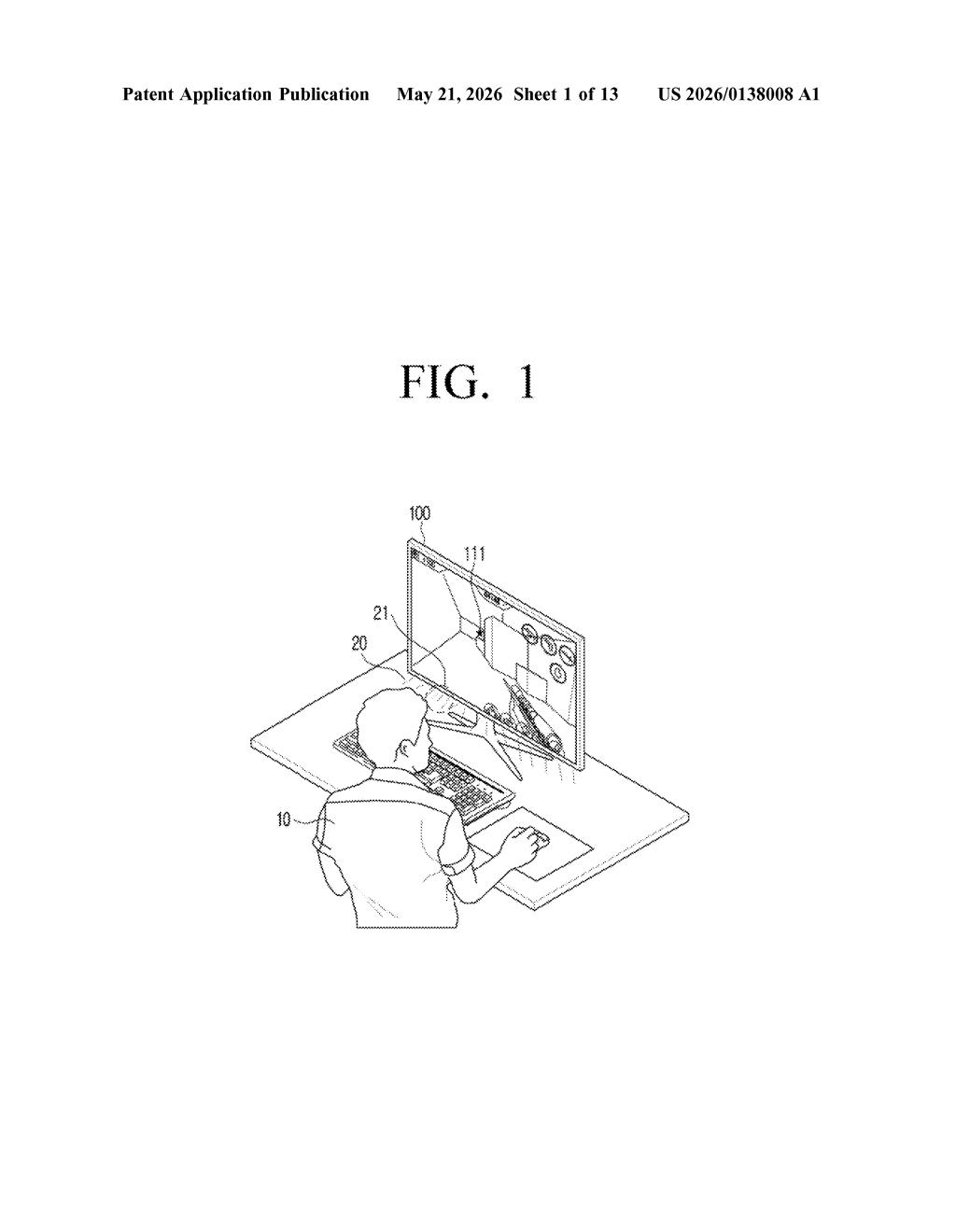
What Samsung's object-tracking TV lighting actually does
Imagine watching a sunset scene and the warm orange glow doesn't just bleed off the edges of your TV screen — it comes from a strip of lights positioned directly below where that sun sits in the frame. That's the core idea here.
Samsung's patent describes a display that detects individual objects in the video image, grabs their position and color, and then tells specific LEDs along the bottom edge of the TV to light up with the matching color at the matching horizontal position. It's not a single ambient hue for the whole scene — it's object-level precision.
This goes a step beyond simple screen-mirroring ambient lights, which usually just sample average edge colors. Here, if there's a red car on the left side of the screen and a blue sky on the right, the lights underneath should reflect that split — not blend it into purple.
How the display maps objects to individual light emitters
The system works in a few coordinated stages. First, the display's processor analyzes the incoming video frame to detect and identify objects — characters, vehicles, scenery, whatever is visually distinguishable. Then it extracts two key data points for each object: position information (where in the frame the object sits) and color information (the dominant or representative color of that object).
With that data in hand, the processor maps the object's horizontal position to a corresponding location along the lower edge of the display, where a strip of individually addressable LED light emitting elements lives. The LED (or cluster of LEDs) at the matching physical position is then told to emit light in the object's color.
- Object detection: processor identifies discrete items in the displayed image
- Position mapping: object's screen coordinates translate to a physical LED location on the display's lower edge
- Color matching: the targeted LED emits a color derived from the object's image data
The patent is specifically scoped to the lower end of the display apparatus, suggesting a built-in under-glow strip rather than a full surround-lighting system. The memory stores the instructions that drive this pipeline, and the same processor handling display output also controls the lighting device.
What this means for Samsung's ambient TV ambitions
Samsung already sells Philips Hue-style ambient sync features and has its own screen-edge glow modes on high-end TVs. But those systems typically sample the average color of screen regions — they don't distinguish between individual objects. Object-level lighting means the immersive effect could be far more spatially accurate, especially for content with strong foreground/background contrast.
For you as a viewer, the practical payoff is ambient lighting that feels intentional rather than approximate — the glow under your TV actually mirrors what's happening in the scene at that specific position. Whether this lands in a future QLED or Neo QLED lineup is speculative, but it fits neatly into Samsung's existing premium TV positioning around immersive viewing environments.
This is a focused, incremental improvement on ambient lighting tech that Samsung clearly already cares about — it's not a moonshot, but it's a real engineering upgrade over dumb edge-color sampling. The object-detection angle is the interesting bit: if it works well in practice, the under-glow effect becomes noticeably more believable. Worth watching as a signal that Samsung is investing in making this feature less gimmicky.
There are more where this came from
We read every patent application Big Tech publishes and send you the ones worth knowing. Plain English, free, every week.
Want this weekly breakdown for a company we don't cover? Patentlyze Pro →