
Sony Patents a Two-Color Molded Light Guide for Cleaner LED Indicators
Sony's PlayStation hardware team has patented a clever single-piece component that both channels light from an LED and blocks it from leaking where it shouldn't — all molded in one manufacturing step.
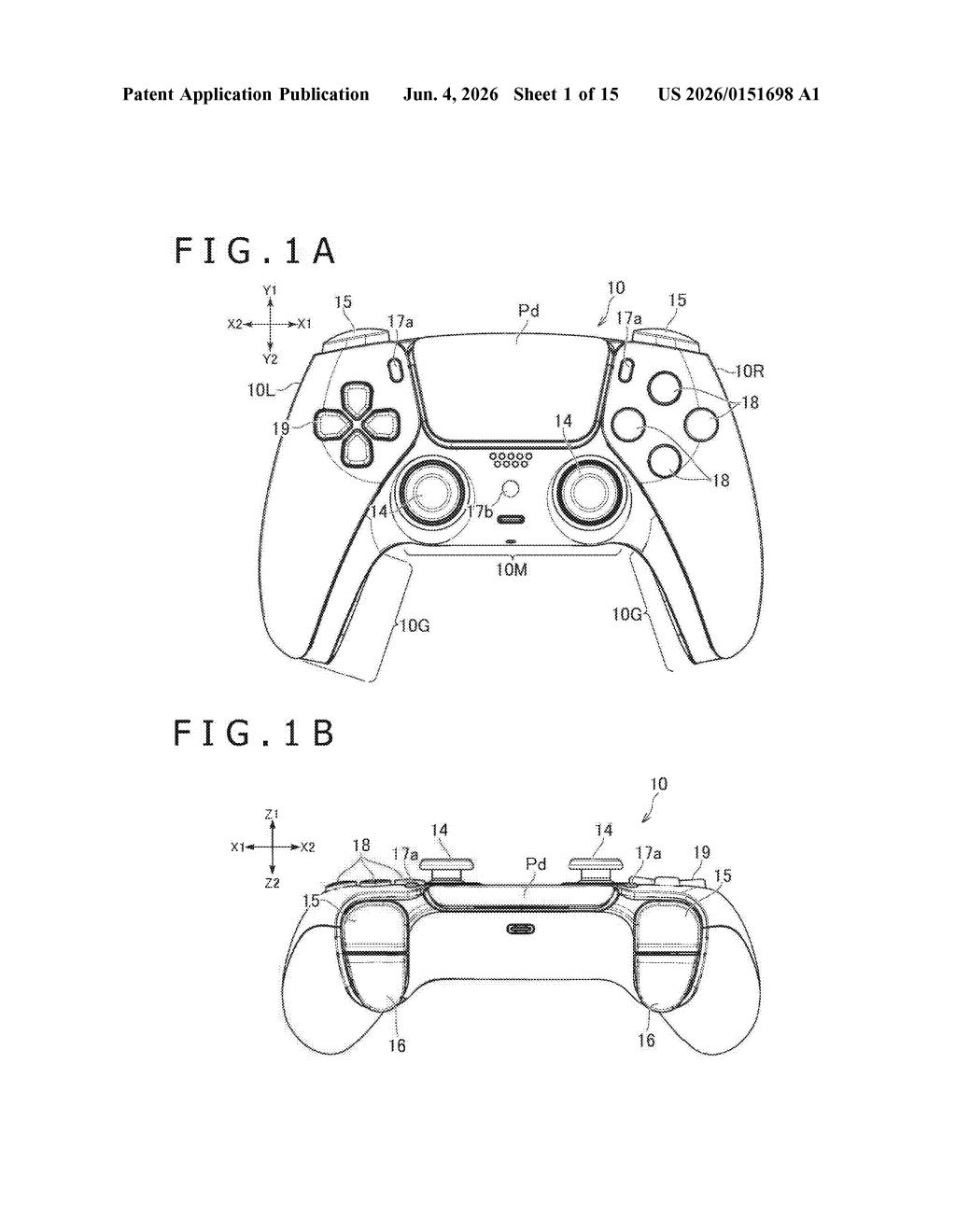
What Sony's light guide component actually does
Imagine the glowing light bar on a PlayStation controller. Getting that light to look clean and precise is harder than it seems — if you just stick an LED behind a plastic window, light leaks around the edges and looks messy or dim in the wrong spots.
Sony's patent describes a single plastic part made using a process called two-color molding — basically, two different plastics are injected in one manufacturing run to create one finished piece. One part of the piece is clear (to carry the light), and the other part is opaque (to block stray light). The clear section acts like a tiny fiber optic pipe, picking up light at one end and delivering it to the visible window at the other.
The result is a more precise, better-looking light indicator with fewer separate parts — which also simplifies assembly on the production line.
How the two-color molding channels and blocks light
The patent describes a light guiding member — a single molded plastic component with two distinct zones formed in one manufacturing step.
- Light guiding section: A clear or translucent plastic path that has a light receiving section (where it picks up light from the LED), a light transmitting section (the internal path the light travels), and a light output section (where light exits toward the visible window).
- Light shielding section: An opaque plastic region molded around the guiding section. It has a precisely shaped opening whose inner edge presses tightly against either the light receiving or output end of the guide, sealing off stray light at the critical handoff points.
The key engineering detail is that the exterior surface of the light transmitting section is exposed — meaning it's surrounded by the opaque shielding material right up to the ends, but the pipe itself can internally reflect light efficiently without the shielding material interfering with transmission.
Two-color molding (also called two-shot or dual-shot molding) is a well-established injection molding technique where two materials are injected into the same mold in sequence, bonding into one part. It's cheaper and more reliable than assembling two separate pieces.
What this means for PlayStation controller lighting
For PlayStation hardware, precise LED lighting is more than cosmetic — the light bar on DualShock and DualSense controllers is used for player identification and camera tracking. A light guide that delivers clean, contained illumination with minimal bleed improves both the visual quality and the functional accuracy of that system.
From a manufacturing standpoint, collapsing what could be two or three separate parts (a light pipe, a housing, a light block) into a single molded component reduces assembly steps and potential points of failure. It's the kind of quiet, practical engineering improvement that rarely makes headlines but shows up in the cost and quality of mass-produced consumer hardware.
This is a low-glamour manufacturing patent — the kind of filing that keeps production lines efficient and product quality consistent. It's not a new feature for gamers to get excited about, but it's a real signal that Sony's hardware engineering team is sweating the details on optical components, likely for controller or headset indicator lighting.
There are more where this came from
We read every patent application Big Tech publishes and send you the ones worth knowing. Plain English, free, every week.
Want this weekly breakdown for a company we don't cover? Patentlyze Pro →