
Samsung Display Patents a Vibration-Pattern System for Catching Factory Equipment Failures Early
Samsung Display is patenting a system that listens to the vibrations of factory machines and matches those patterns against a library of known failure signatures — essentially giving manufacturing equipment a way to self-report what's going wrong before it causes a defect.
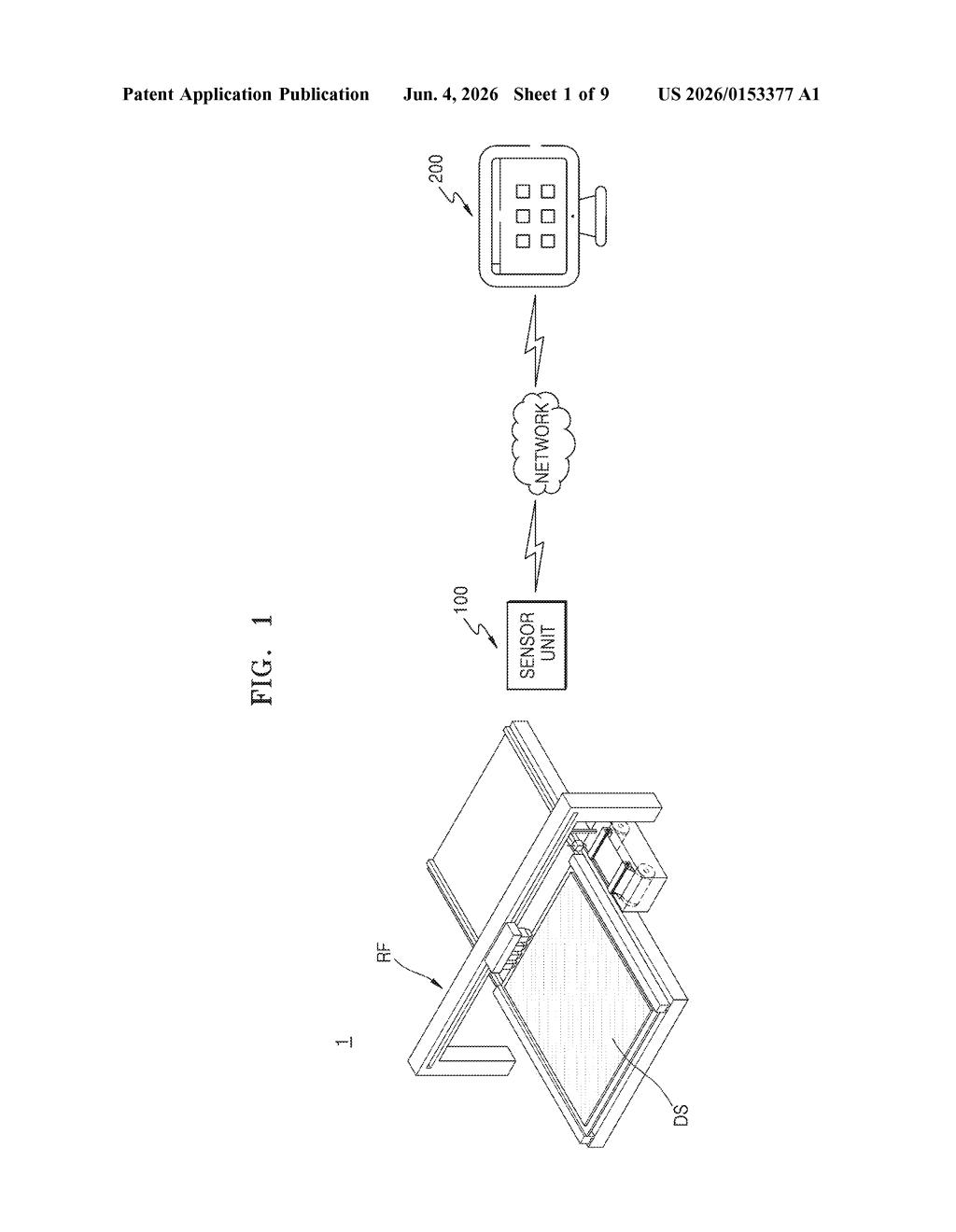
What Samsung Display's vibration fault-detector actually does
Imagine a car mechanic who doesn't need to see your engine — they just listen to the sound it makes and immediately know whether it's a worn belt, a misfiring cylinder, or nothing to worry about. Samsung Display is trying to build that same intuition into the machines that manufacture display panels.
The idea is straightforward: sensors attached to a piece of factory equipment measure its vibrations in real time. Those vibration signals are then compared against a library of pre-stored "shape models" — essentially fingerprints of what healthy and unhealthy machines sound like. When the system finds a match, it can tell operators what kind of problem is developing, not just that something is off.
For a company making the precision displays that go into phones and TVs, catching equipment drift early can be the difference between a flawless production run and a costly batch of rejects. This patent is about making that early warning automatic.
How the waveform shape-matching engine flags failures
The system works in four steps:
- Acquire: A sensor unit (likely an accelerometer or piezoelectric sensor) captures a raw vibration waveform from the target machine.
- Extract: The system computes a calculated representative value — a condensed numerical summary (think RMS amplitude, peak frequency, or a kurtosis score) that characterizes the shape of that waveform.
- Match: That representative value is compared against a library of pre-stored shape models — each model encoding what a specific fault mode looks like vibrationally. The closest match wins.
- Diagnose: Because each shape model corresponds to a known fault type, the system can output not just "abnormal" but a specific category of abnormality — unbalance, bearing wear, resonance, etc.
The key insight here is classifying by waveform shape rather than a simple threshold alarm. Most legacy vibration monitors just trigger when a raw amplitude exceeds a set limit. Shape-based matching can flag problems at lower amplitudes if the pattern is recognizable, and it can distinguish between fault types that share similar amplitude profiles.
What this means for display panel manufacturing yield
Display manufacturing is extraordinarily sensitive to process variation. A single piece of equipment running slightly off-spec — a deposition chamber with a vibrating pump, a bonding press with a worn bearing — can introduce micron-scale defects that only show up as pixel failures at final inspection. Earlier, more specific fault detection directly translates to higher yield and less material waste.
For Samsung Display's broader strategy, automating equipment diagnostics also reduces reliance on skilled maintenance engineers who have to physically walk the line. If the system can say "this machine shows a bearing-wear pattern" rather than "this machine is vibrating too much," maintenance crews can arrive with the right part already in hand. That kind of predictive specificity is increasingly critical as OLED and microLED fabs push toward lights-out manufacturing.
This is solid, practical industrial-AI work — not flashy, but exactly the kind of unglamorous infrastructure patent that quietly pays for itself in yield improvements. The shape-model matching approach is a real step above simple threshold alarms, and Samsung Display filing this suggests they're investing in smarter factory automation at the sensor level. Worth tracking if you follow display manufacturing or industrial IoT.
There are more where this came from
We read every patent application Big Tech publishes and send you the ones worth knowing. Plain English, free, every week.
Want this weekly breakdown for a company we don't cover? Patentlyze Pro →