
Samsung Patents a Wearable That Dials Down Radio Power During Music Playback
Your wireless earbuds are constantly juggling two jobs at once — playing music and maintaining a radio link. Samsung's new patent is about making that juggling act a lot less clumsy.
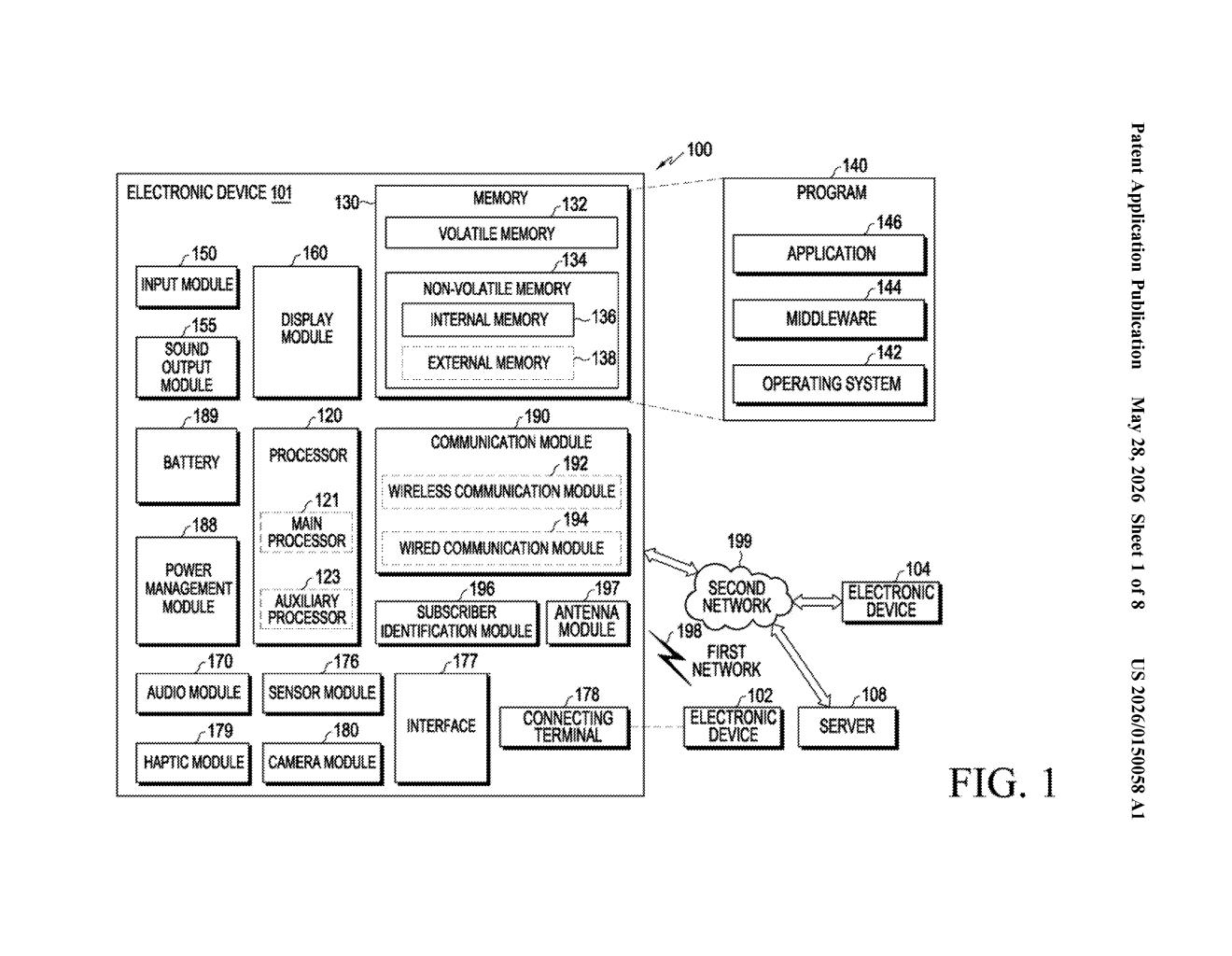
Why Samsung's earbuds might transmit radio signals differently when music plays
Imagine you're listening to music on your Galaxy Buds and a notification comes in. Your earbuds need to send a little radio signal back to your phone — but blasting that signal at full power can cause static, dropouts, or interference with the audio stream already playing in your ears.
Samsung's patent addresses exactly that. It describes a wearable device that checks whether music is actively playing before it transmits any communication signal. If music is off, it uses one set of power settings. If music is on, it switches to a different, presumably lower or more carefully tuned power profile.
Think of it like a considerate houseguest who turns down the TV before making a phone call. The device isn't just blindly shouting radio signals — it's context-aware enough to ask "what's happening right now?" before deciding how loud to be on the airwaves.
How the device switches transmission power profiles mid-session
The patent describes a wearable electronic device — almost certainly earbuds or a smartwatch — that monitors the state of its music playback function. Whenever an event triggers the need to transmit a communication signal (think cellular pings, Bluetooth keep-alives, or Wi-Fi beacons), the device first checks whether audio is actively playing.
Two distinct power control paths are defined:
- First transmission power control information: used when music playback is inactive — presumably standard or higher-power settings for maximum signal reach.
- Second transmission power control information: used when music playback is active — likely a more conservative or spectrally careful profile to avoid interfering with the audio pipeline.
The core mechanism is simple: a conditional branch. On every transmission event, the processor checks the playback flag and routes to the appropriate power profile. The patent doesn't specify what exactly the second profile does differently — it could mean lower raw power, a different frequency duty cycle, or altered timing — but the key insight is that the device treats "music is playing" as a meaningful system state that changes how its radio behaves.
This falls under transmission power control (TPC), a standard technique in wireless communications where devices adjust signal strength dynamically — but applying it to app-layer context ("is audio playing?") is the specific angle Samsung is patenting here.
What this means for Bluetooth audio and wireless interference
For anyone who has ever noticed a brief audio glitch when a notification arrives on their wireless earbuds, this is the patent trying to fix that. Radio interference between a device's own transmitter and its audio playback hardware is a real, known issue — especially in compact wearables where antenna and speaker components are millimeters apart. Dynamically lowering or reshaping transmission power during active playback could meaningfully reduce those self-interference artifacts.
From a Galaxy Buds or Galaxy Watch product angle, this is incremental but practical engineering. It won't reinvent wireless audio, but it's the kind of polish that separates premium earbuds from the pack. As wearables take on more radio duties — cellular, Bluetooth, Wi-Fi, UWB — smarter power management at the application-context level becomes increasingly important for audio fidelity.
This is a focused, practical patent solving a real usability problem in wireless earbuds and smartwatches. It's not flashy platform technology — it's the kind of careful systems work that makes a $250 pair of earbuds feel worth the price. Samsung files a lot of incremental patents, but this one has a clear, identifiable user-facing payoff.
There are more where this came from
We read every patent application Big Tech publishes and send you the ones worth knowing. Plain English, free, every week.
Want this weekly breakdown for a company we don't cover? Patentlyze Pro →