
Samsung Patents a Two-Stage Heart Rate Check to Cut False Alerts
One weird heart rate reading on your smartwatch shouldn't send you into a panic spiral — and Samsung is patenting a system that makes sure it doesn't.
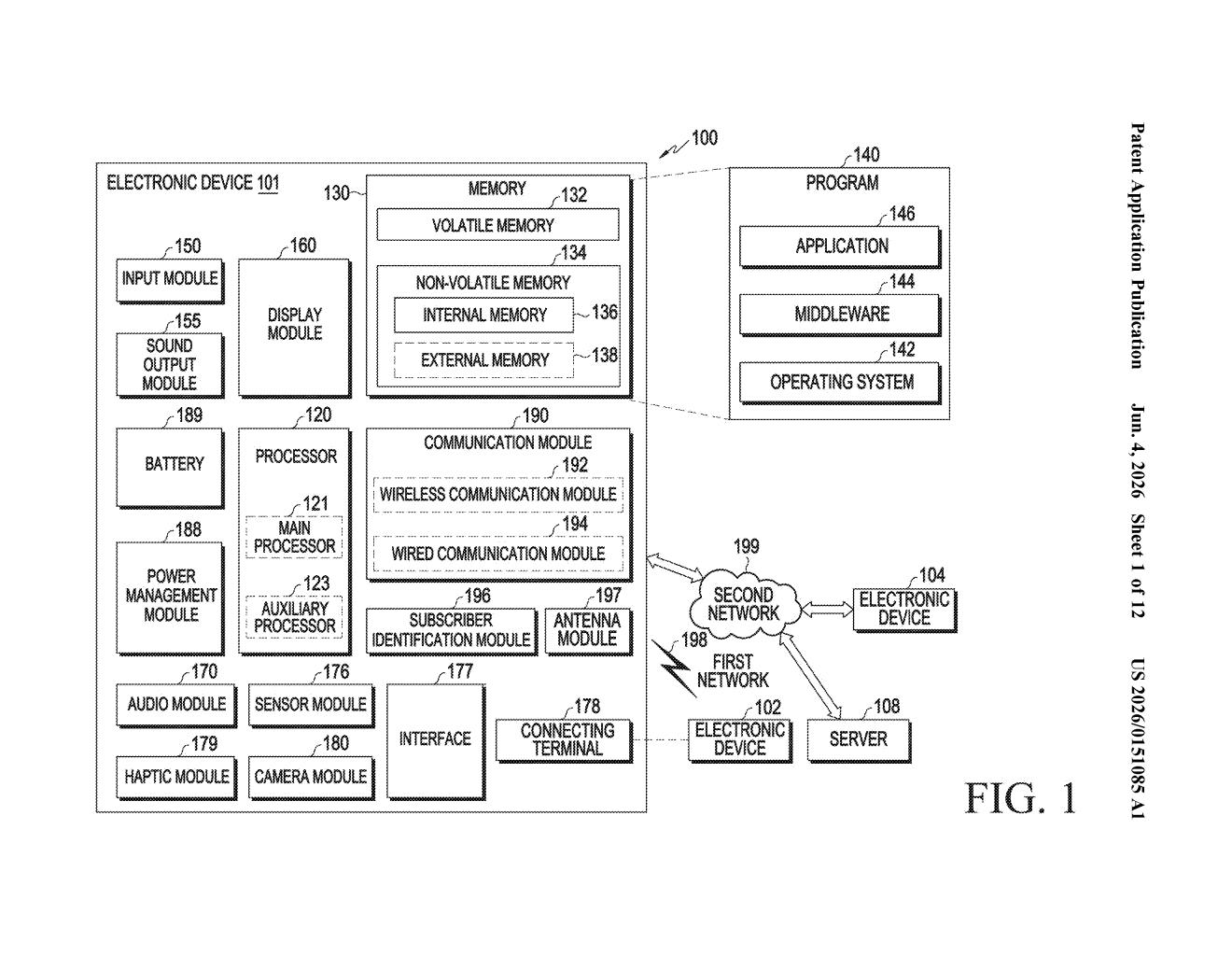
What Samsung's two-step heart rate alert actually does
Imagine your smartwatch buzzes to warn you about an abnormal heart rate, but it turns out you just shifted your wrist at the wrong moment. False alarms are one of the most frustrating problems with wearable health monitors, and they can cause real anxiety.
Samsung's patent describes a smarter gating approach: if your watch catches one out-of-range heart rate reading, it doesn't immediately warn you. Instead, it quietly kicks into a short follow-up window and takes a series of additional readings. Only if a meaningful proportion of those follow-up readings also look abnormal does the watch actually send you a notification.
Think of it like a second opinion built into your wrist. The device is essentially asking, 'Was that a fluke, or is something genuinely going on?' If the answer is 'genuinely going on,' you get the alert. If it was just noise, your watch stays quiet and you go about your day.
How the ratio-based confirmation window filters bad reads
The patent describes a wearable operating in a background monitoring state — periodically sampling your heart rate at set intervals without any active workout mode running.
When a reading falls outside a specified range (think: too high, too low, or otherwise flagged as anomalous), the device shifts into a secondary confirmation phase. During this second window, it collects a series of additional heart rate measurements using the same primary sensor.
The key logic is a ratio check: the system tallies how many of those follow-up readings are also outside the acceptable range, then compares that count against a configurable threshold ratio. Only when that ratio is exceeded — meaning a significant share of the follow-up readings are still abnormal — does the device trigger a user notification.
The patent also references a second sensor alongside the primary one, suggesting the architecture supports corroborating data from another source (possibly an ECG or accelerometer), though the core claim centers on the ratio-based filtering logic from the first sensor.
What this means for Galaxy Watch health notifications
For anyone who wears a Galaxy Watch or similar Samsung wearable, this approach directly targets one of the most common complaints about health alerts: you get too many of them, and most turn out to be nothing. A two-stage confirmation system means the device does more of the triage work itself before interrupting your day.
From a product strategy angle, reducing false-positive health alerts also matters for Samsung's standing with regulators and users alike. Health notification features on wearables are under increasing scrutiny, and a system that can demonstrate it filters out noise before alerting is a better story — both for user trust and for any future FDA clearance conversations around cardiac monitoring features.
This is a practical, unsexy engineering fix for a real problem that annoys millions of smartwatch users. It's not a headline feature, but the underlying two-stage confirmation logic is the kind of thing that quietly makes a health platform meaningfully more trustworthy. Samsung's Galaxy Watch lineup already competes hard on health features — and getting the alert accuracy right matters more than adding new sensors.
There are more where this came from
We read every patent application Big Tech publishes and send you the ones worth knowing. Plain English, free, every week.
Want this weekly breakdown for a company we don't cover? Patentlyze Pro →