
IBM Files Patent for Cars That Beam Power Wirelessly to Each Wheel
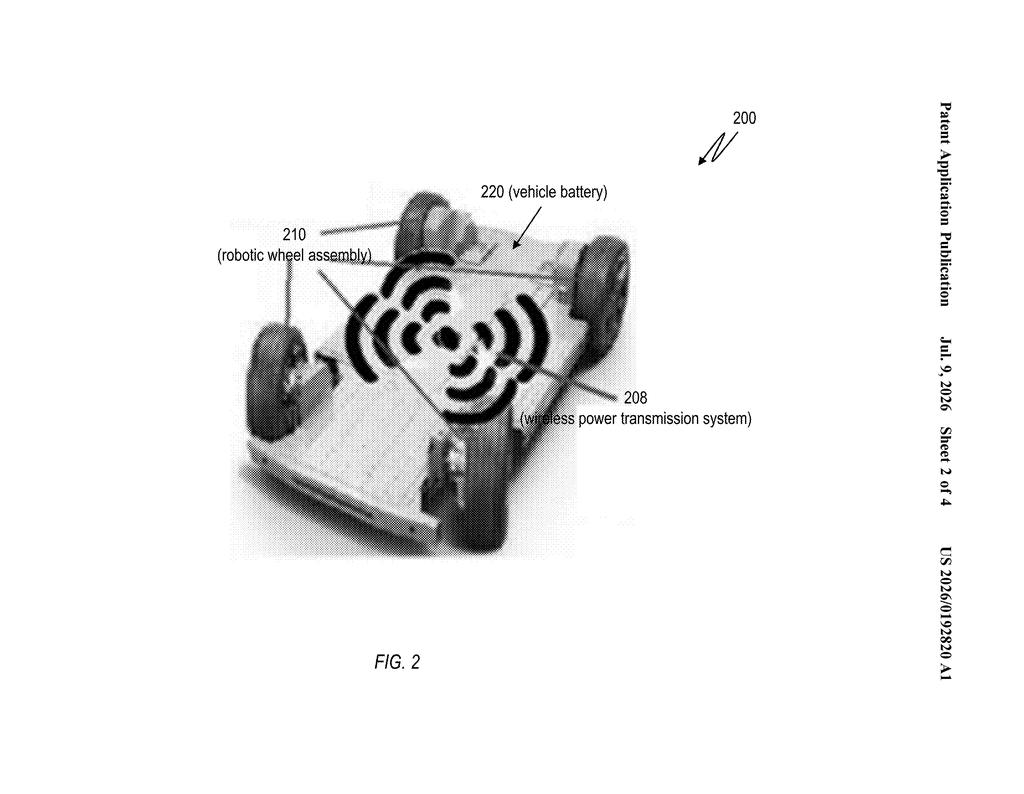
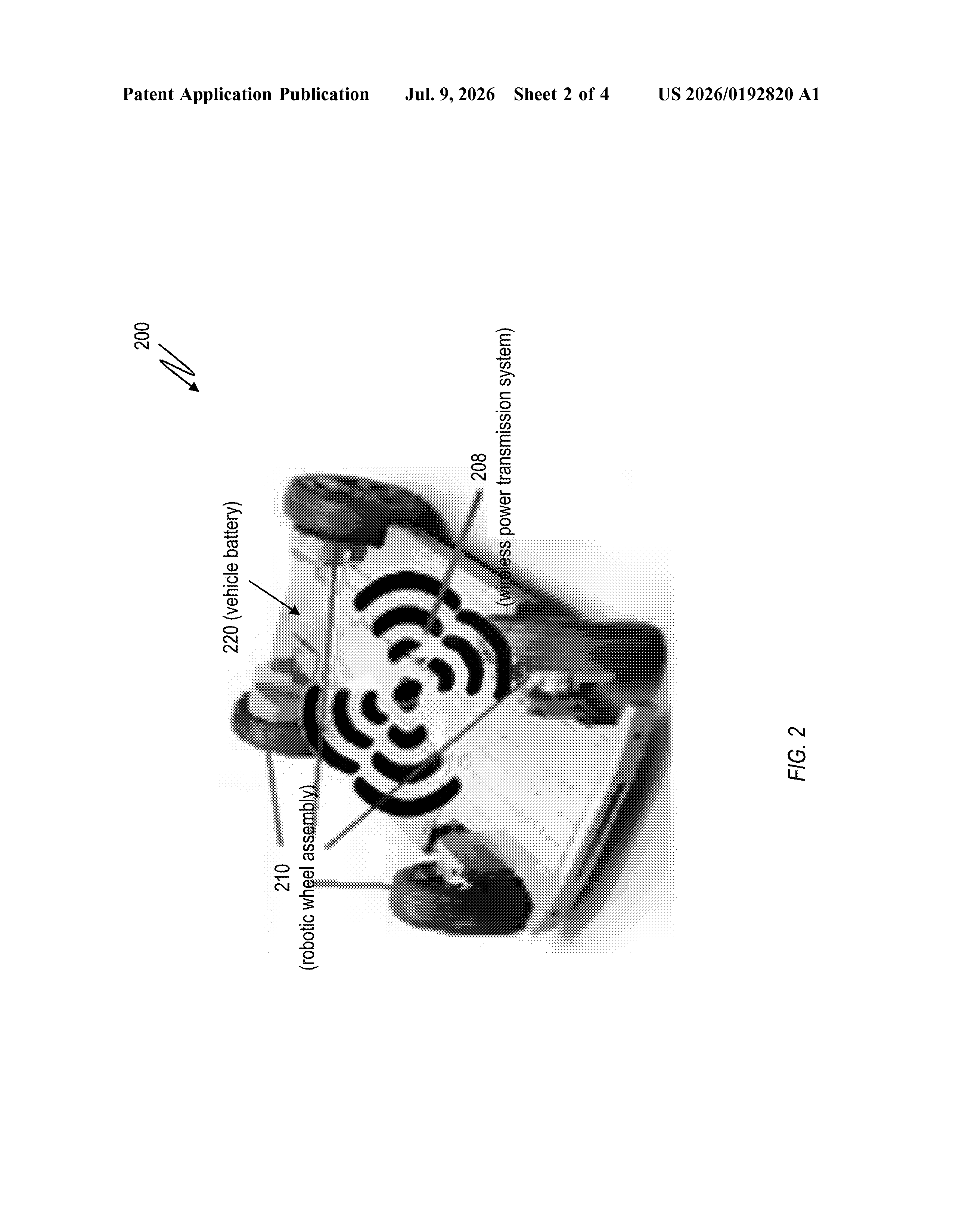
IBM is patenting a vehicle design where each wheel is an independent robotic unit that receives both power and driving instructions wirelessly, with no physical wiring connecting the wheels to the rest of the car.
What IBM's wireless robotic wheel system actually does
Imagine the wheels on a car that aren't physically connected to a central engine or wiring harness at all. Instead, each wheel is its own little robot: it has its own brain, and the car sends it power and instructions through the air, the same way your phone charges on a wireless pad.
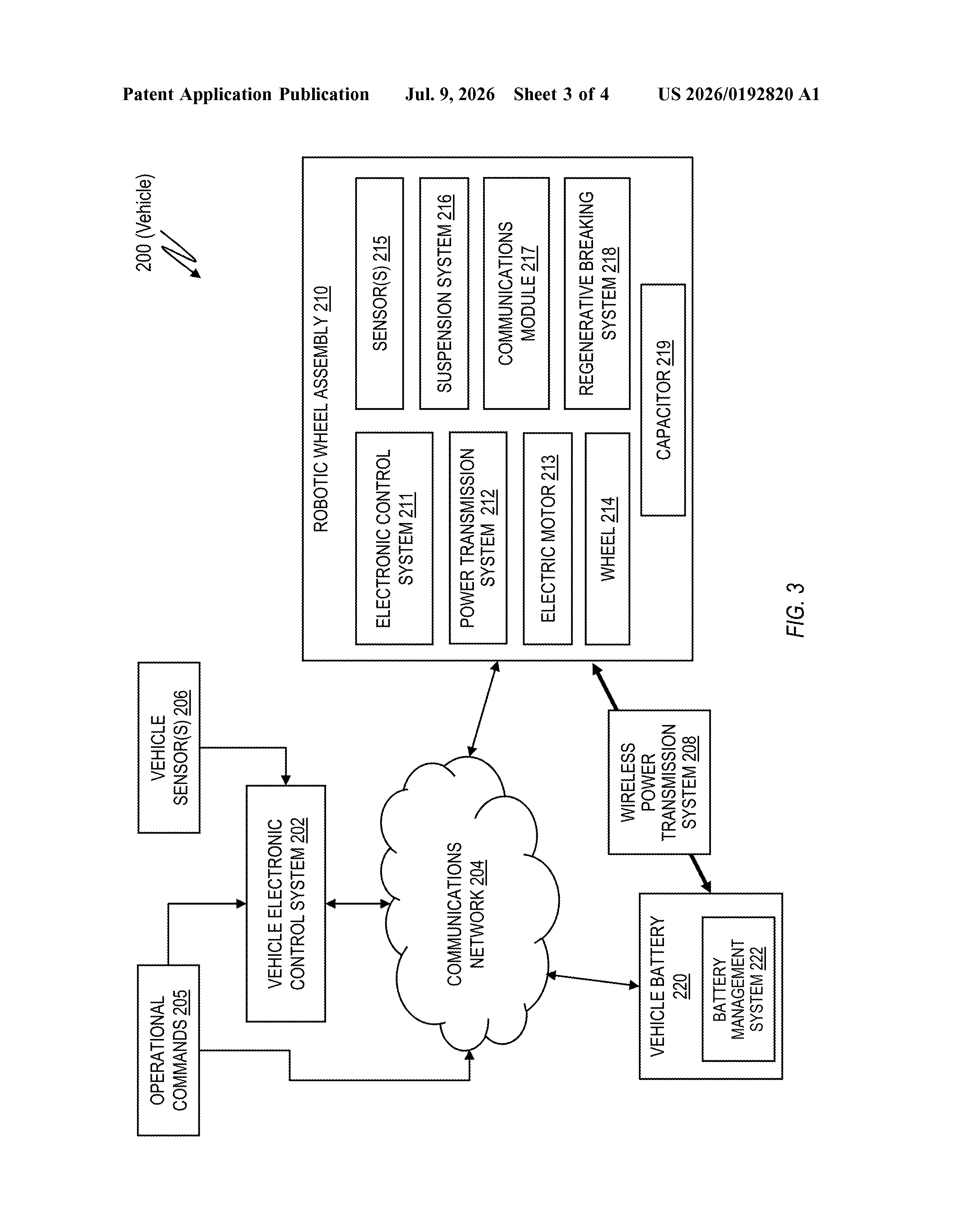
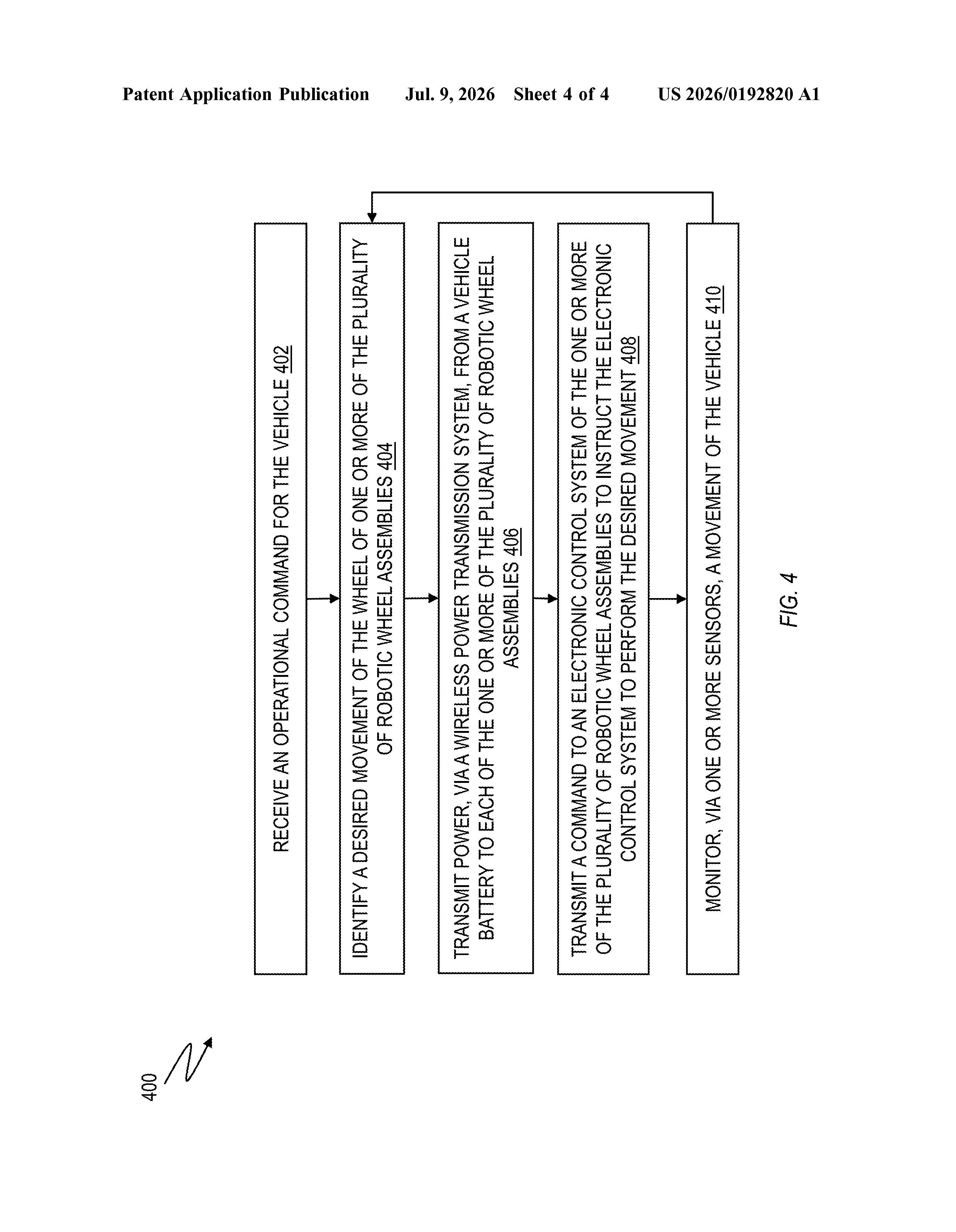
That's the core idea in this IBM patent. When you steer or accelerate, the car's central system figures out what each wheel needs to do, then beams the necessary power from the main battery wirelessly to each robotic wheel assembly, along with a command telling that wheel exactly how to move. Sensors keep an eye on whether everything is going as planned.
The practical pitch is simpler vehicles with fewer wires to fail, and wheels that could theoretically be swapped or repositioned more easily because they don't depend on a tangle of physical connections.
How the wireless power and command signals reach each wheel
The patent describes a vehicle built around robotic wheel assemblies, where each wheel has its own electronic control system (essentially a small onboard computer) that handles its movement independently rather than being controlled by a single centralized drivetrain.
When the vehicle receives a command (say, turn left), the system breaks that down into specific movements for each relevant wheel. It then does two things simultaneously:
- Transmits electrical power wirelessly from the car's main battery to each wheel assembly that needs it (similar in concept to wireless phone charging, but for vehicle propulsion).
- Sends a digital command to each wheel's onboard computer instructing it on the exact movement to perform.
Onboard sensors then monitor whether the vehicle is actually moving as intended, creating a feedback loop. The architecture is described as decentralized, meaning no single control point manages everything. Each wheel assembly operates with a degree of autonomy once it receives its instructions.
The filing doesn't specify a particular wireless power standard, but the concept mirrors technologies already used in consumer charging and industrial wireless power transfer systems.
What this means for future vehicle design and wiring
Traditional vehicles are full of physical wiring that connects the wheels to the engine, transmission, and control systems. That wiring adds weight, creates potential failure points, and complicates manufacturing. A wireless architecture, if it works reliably at the power levels vehicles need, could change how cars are assembled and maintained. It also fits naturally with autonomous and reconfigurable vehicle concepts where wheels might need to move or be repositioned.
For everyday drivers, the more immediate implication is reliability: fewer cables means fewer things to corrode, snap, or short out. Whether IBM pursues this beyond the patent stage is another question entirely, but the idea connects to a real engineering challenge that automakers and robotics companies are actively working on.
This is a genuinely interesting structural idea for vehicle design, but IBM filing it is the curious part since IBM isn't an automaker. It reads more like an exploratory systems patent than a near-term product plan. The core concept of wireless power to independent wheel modules is real engineering territory, but the patent is light on how it solves the hardest problem: transmitting the kind of power a vehicle actually needs through the air efficiently and safely.
There are more where this came from
We read every patent application Big Tech publishes and send you the ones worth knowing. Plain English, free, every week.
The drawings
4 drawing sheets from US 2026/0192820 A1 · click any drawing to enlarge
Want this weekly breakdown for a company we don't cover? Patentlyze Pro →
Be the first to weigh in