What the filings show
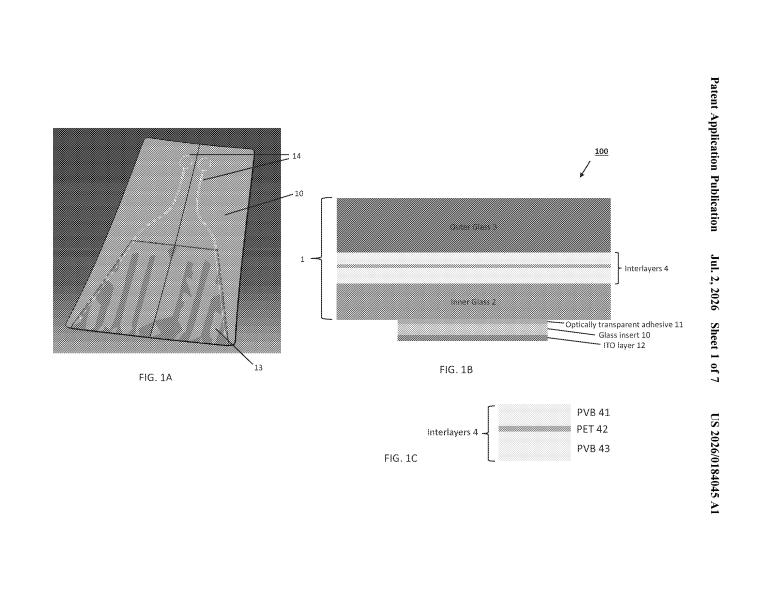
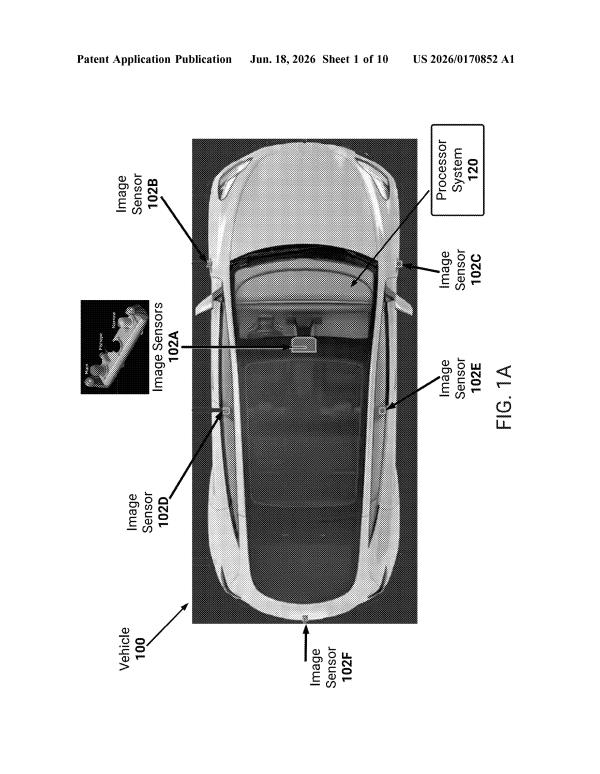
Across this batch, Tesla's engineering effort clusters around teaching cameras to understand context, not just objects. One filing describes a system that waits to confirm both car and rider are ready before it moves, reading intent rather than just distance. Another teaches cars to figure out where lanes actually lead, including merges and splits, using only camera input. A third patent covers the physical camera hardware itself, a heated, anti-glare glass stack meant to keep the lenses clear in bad weather. Together these filings treat vision as a full pipeline, from glass to interpretation.
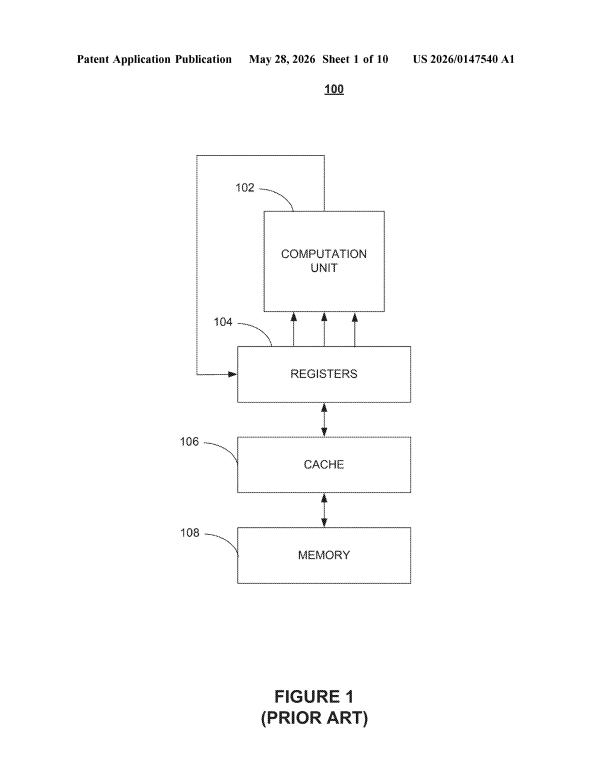
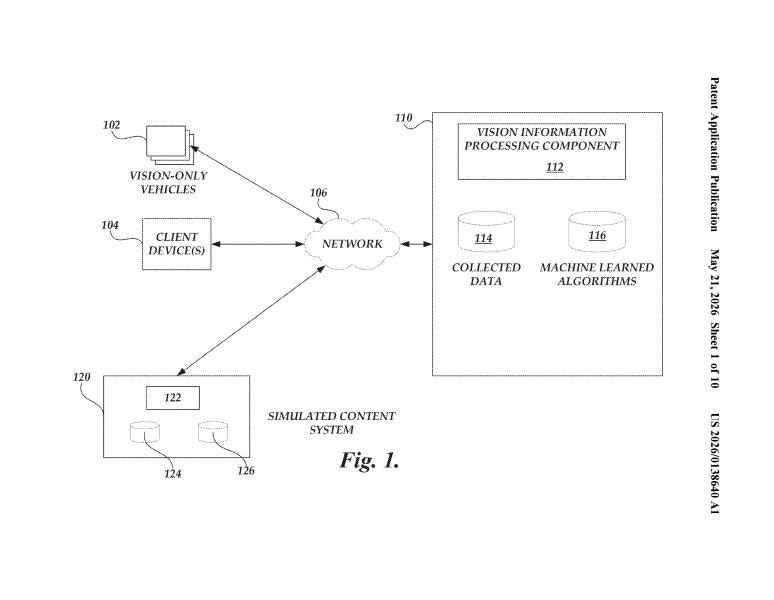
Other filings focus on the computing side that makes camera-only driving possible. One patent describes a parallel two-dimensional matrix processor built to speed up the math behind neural network image processing, the kind of chip work needed when every decision comes from pixels instead of radar returns. A separate filing covers a simulated-data training loop, a way to generate and test scenarios for a vision-only system without needing real-world miles for every edge case. Both point to Tesla building its own tools for training and running vision models, not just borrowing off-the-shelf hardware or data pipelines.
Read together, the storyline suggests Tesla treats camera-only driving as a systems problem that spans hardware, chips, training data, and behavior, not a single sensor swap. Readers should watch for new filings that connect these pieces, such as how the intent-reading system might use the lane-topology work, or how the matrix processor ties back to the simulated-data loop. Each new patent tends to fill in one more layer of that stack rather than announce a finished product.
Questions readers ask
Does this mean Tesla is ditching radar and lidar completely?
The filings show Tesla building software and hardware that assume only cameras, from intent-reading logic to camera glass designed for glare and heat. That points to a clear engineering direction, but a patent describes research, not a shipped decision, so it does not confirm Tesla has fully abandoned other sensors in every vehicle.
What problem does the lane-reading patent solve?
It focuses on helping a camera-only car figure out where each lane actually goes, including merges and splits, without relying on radar or lidar data. That matters because vision systems need to infer road structure from images alone, and this filing describes one way to do that inference.
Why would Tesla patent its own image-processing chip?
The parallel matrix processor described in this filing is built specifically to speed up the math behind neural network image analysis. Patenting custom chip designs suggests Tesla wants processing power tuned to its own vision models rather than depending entirely on general-purpose hardware from other chipmakers.
Is the simulated-data patent about self-driving cars learning from fake footage?
Yes, in part. The filing describes a training loop that generates and tests scenarios for a vision-only system, which can help cover edge cases that are rare or risky to capture with real cameras. It does not say Tesla has replaced real-world testing, only that it is patenting simulation as a tool.