
Samsung Patents a Display That Keeps Multiple Screens Perfectly Timed With Each Other
If you've ever set up two monitors side by side and noticed the video on one screen is a split-second behind the other, Samsung's latest patent is aimed squarely at that problem — and it wants the display to fix it without you doing anything.
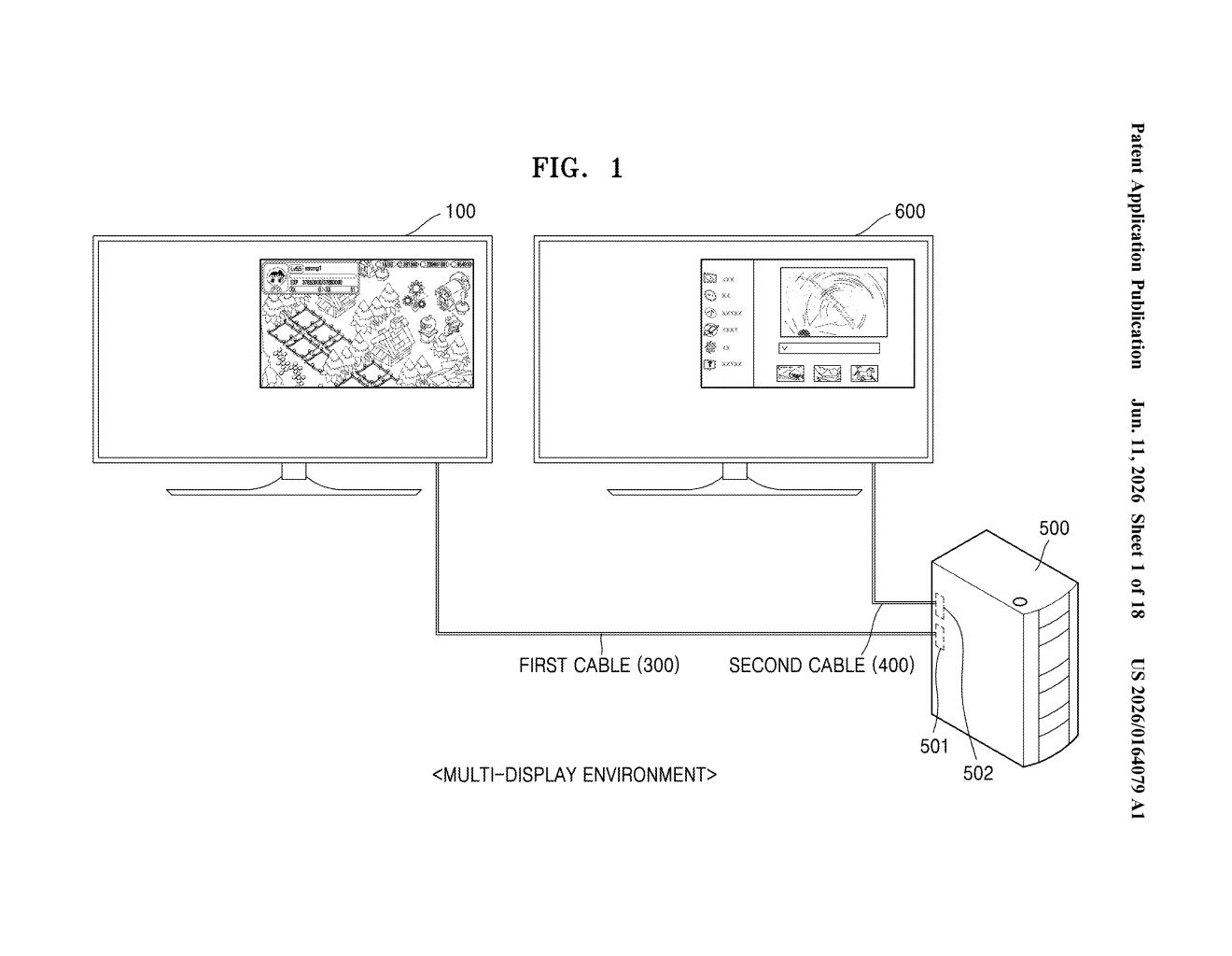
What Samsung's auto-sync display fix actually does
Imagine you're watching a sports replay spread across two side-by-side TVs. The ball crosses the left screen, then — a tiny but noticeable moment later — appears on the right one. That flicker of delay isn't just annoying; in retail video walls or broadcast control rooms, it can make the whole setup look broken.
Samsung's patent describes a display that listens to two incoming video signals at once: the one meant for itself, and the one meant for the screen next to it. By comparing when each signal arrives, the display can calculate exactly how far out of step it is with its neighbor.
Once it knows the gap, it adjusts its own output timing to compensate — effectively nudging its picture forward or backward so both screens stay in perfect lockstep. No manual calibration. No external sync box required. The display handles it internally.
How the controller measures and corrects the timing gap
The patent describes a display device equipped with two separate signal inputs: one (first signal inputter) receives the video feed intended for itself, and a second (second signal inputter) taps into the signal being sent to an adjacent display.
A built-in controller continuously measures the time difference between when each signal arrives — essentially running a precision stopwatch between the two inputs. That measured gap is called the signal input time difference.
In a multi-display environment (think a video wall, an extended desktop, or a dual-screen digital sign), the controller uses that gap measurement to adjust when the display actually outputs its picture. If its signal is arriving 8 milliseconds late compared to the neighboring screen, the display can delay its own output to match — or, depending on the implementation, request an earlier delivery.
- Two input circuits capture signals from the same source device
- The controller timestamps both arrivals and calculates the offset
- Output timing is adjusted automatically based on that offset
The claim is written broadly enough to cover both consumer multi-monitor setups and commercial installations like display arrays.
What this means for multi-screen video walls and home setups
Multi-screen sync is a persistent headache in professional AV installations — video walls in stadiums, digital signage networks, and broadcast studios all require expensive external hardware or complex software pipelines just to keep adjacent screens in step. A display that self-corrects its own timing could simplify those installations considerably and reduce the need for dedicated sync equipment.
For everyday consumers, the impact is subtler but real. Dual-monitor PC setups and home theater configurations with multiple screens could benefit from automatic sync without driver tweaks or manual refresh-rate matching. If Samsung bakes this into future display firmware, it's the kind of invisible improvement you'd only notice if it stopped working.
This is a genuinely useful, if unglamorous, piece of engineering. Display sync has been solved before — but always with external boxes, proprietary daisy-chain protocols, or software overhead. A display that handles it autonomously using its own hardware is a cleaner approach, and Samsung's scale in both consumer monitors and commercial signage means this could actually show up in real products.
There are more where this came from
We read every patent application Big Tech publishes and send you the ones worth knowing. Plain English, free, every week.
Want this weekly breakdown for a company we don't cover? Patentlyze Pro →