
Samsung Files Patent for a More Efficient 5G Data Confirmation System
Every time your phone receives data over 5G, it sends a tiny 'got it' signal back to the tower. Samsung's new patent is about making that confirmation process leaner and more precisely timed.
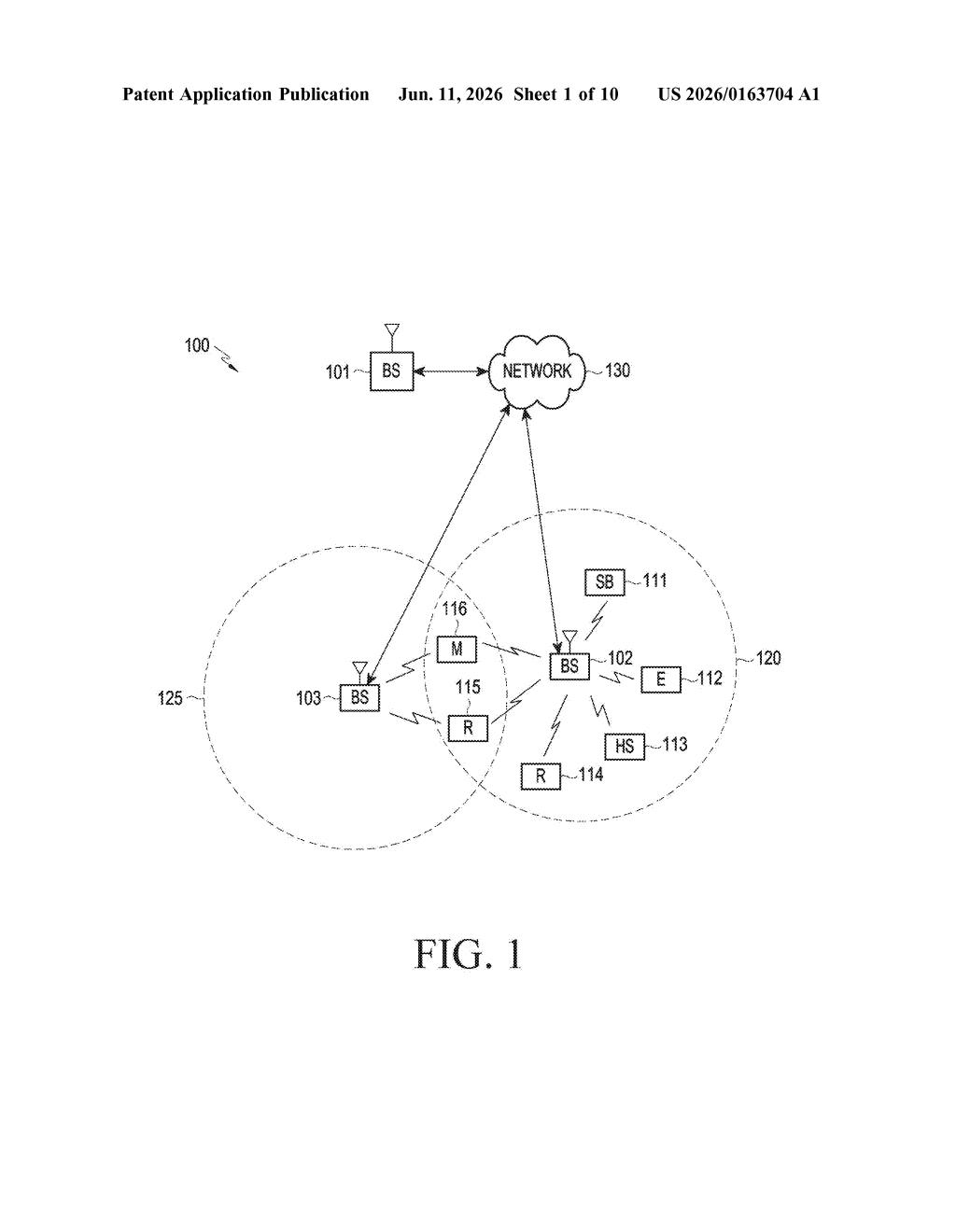
What Samsung's 5G acknowledgment tweak actually does
Imagine ordering food at a busy restaurant and the waiter has to confirm every single dish that arrives at your table — even the ones that haven't been ordered yet. That's roughly the inefficiency this patent is trying to fix in 5G networks.
When your phone downloads data over 5G, it has to send a quick acknowledgment back to the cell tower confirming each chunk arrived correctly. The system described here makes your phone smarter about which acknowledgments it actually needs to send, based on timing rules and a scheduling table — so it doesn't waste airtime on unnecessary confirmations.
The result is a tighter, more organized feedback loop between your phone and the tower. That's good for network efficiency overall, especially as carriers push toward 6G speeds where every millisecond of overhead adds up.
How the SLIV-based HARQ-ACK codebook is built
This patent describes a method for a phone (the 'terminal' in standards language) to build a HARQ-ACK codebook — essentially a compact list of acknowledgment bits that tells the cell tower which data packets were received successfully and which need to be resent.
The key innovation is in how the phone decides which time slots to include in that list. It uses two inputs:
- A configured set of slot timing values (a schedule of when data deliveries are expected)
- A time domain resource allocation table (a lookup table that defines exactly when within a slot the data transmission starts and how long it runs)
Critically, the phone checks whether a given data packet is associated with the last SLIV (Start and Length Indicator Value) in a row of that table. SLIV is basically a compressed way of encoding a start time and duration into a single number. Using the 'last' SLIV as a boundary marker helps the phone determine the full set of occasions it needs to account for before compiling its acknowledgment report.
This avoids over-reporting or under-reporting acknowledgments — a real problem in dense 5G deployments where timing boundaries can be ambiguous.
What this means for 5G and future 6G efficiency
For most people, this is invisible plumbing. But in a 5G or 6G network carrying millions of simultaneous connections, sloppy acknowledgment overhead adds up fast. More precise HARQ-ACK reporting means the network spends less time re-sending data that was actually received fine, and less uplink bandwidth is wasted on redundant confirmations.
This kind of filing is typical of the work Samsung's modem teams do to stay competitive in 3GPP standards bodies — the international groups that define how 5G and 6G actually work. Patenting specific implementation methods gives Samsung leverage in licensing negotiations and signals where their modem engineering is focused as 6G standardization heats up.
This is a cellular standards patent — important to Samsung's modem licensing business, but of essentially zero direct interest to consumers. It's the kind of incremental protocol optimization that keeps 5G networks running efficiently without anyone noticing. Worth filing; not worth writing home about.
There are more where this came from
We read every patent application Big Tech publishes and send you the ones worth knowing. Plain English, free, every week.
Want this weekly breakdown for a company we don't cover? Patentlyze Pro →