
Samsung Patents a Display That Captures Images Through Its Own Screen
What if your screen could see you — not through a hole in the corner, but through the display itself, pixel by pixel? That's exactly what Samsung is working toward with this patent.
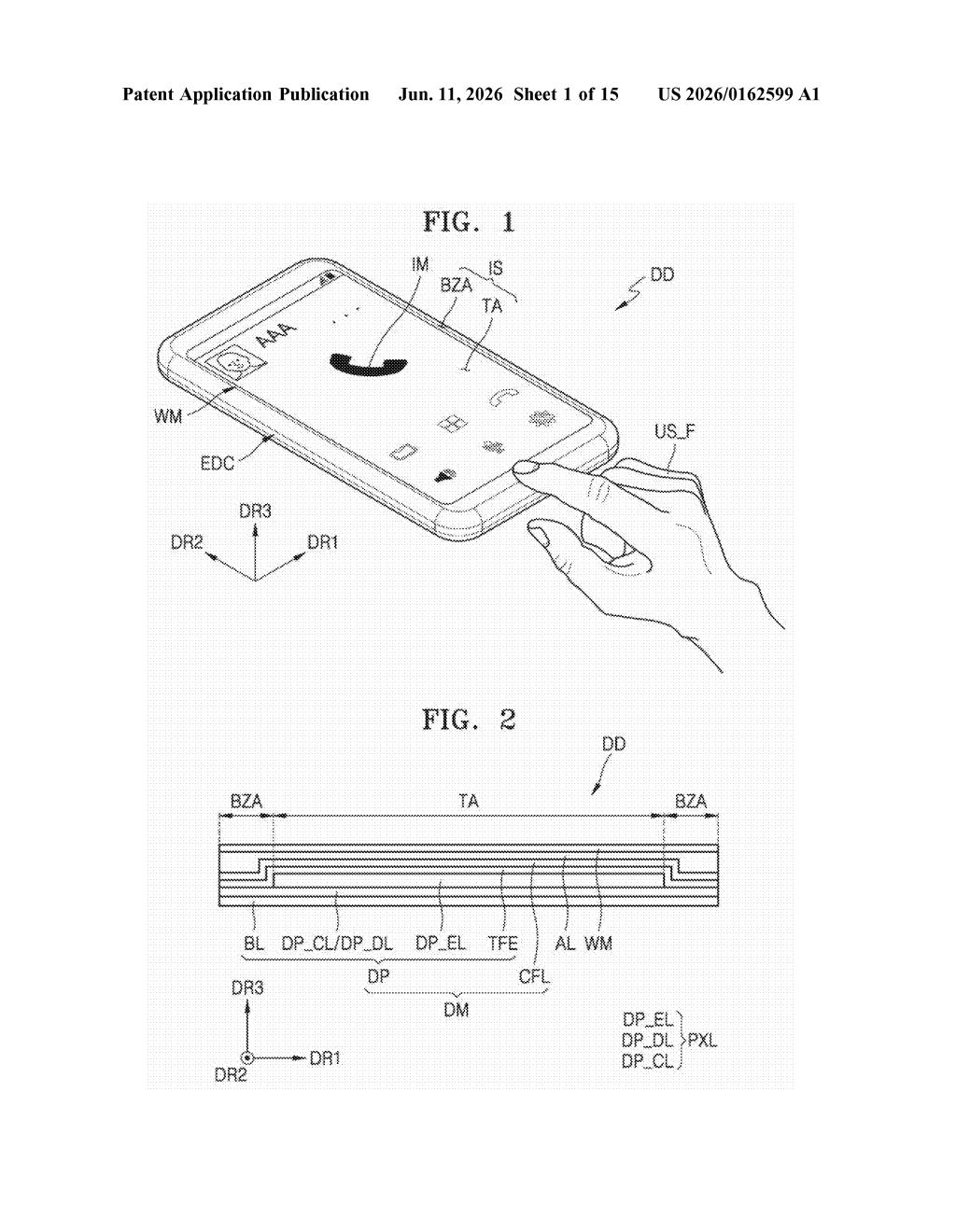
What Samsung's see-through display panel actually does
Imagine a phone or TV screen that has a tiny sensor sitting right behind every single pixel — thousands of them, arranged in a grid that mirrors the display itself. Instead of cutting a notch or hiding a single camera under a limited patch of the screen, every part of the display can gather light.
Samsung's patent describes a system where those sensors capture information in two distinct moments: while the screen's pixels are actively glowing, and again during the brief instants when the pixels go dark between frames. That two-phase approach lets the display separate its own light from any outside light hitting the panel.
The result is a display that can both show images and sense them across its entire surface — opening the door to under-screen cameras, fingerprint readers that work anywhere on the screen, or even depth-sensing without any extra hardware cutouts.
How the screen reads light between its own pixel flashes
The patent describes a display panel where light-sensing devices are paired one-to-one with light-emitting devices (pixels) across the full two-dimensional grid. That means a 1080p panel would theoretically have over two million sensors embedded alongside its two million pixels.
The sensing happens in two phases:
- First sensing signal — captured during the light emission period, when pixels are actively lit. This reading contains a mix of the screen's own glow and any external light bouncing back from objects (like a face or finger) in front of the display.
- Second sensing signal — captured during the non-light emission period (the brief dark gap between refresh cycles). This isolates ambient or reflected light without the screen's own output muddying the data.
A processor compares or combines these two signals to construct a usable image. By knowing what the screen contributed versus what came from outside, the system can subtract its own interference — a challenge that has historically made under-display cameras produce blurry, washed-out images.
The patent covers both the hardware arrangement and the operating method, suggesting Samsung is protecting the full pipeline from sensor readout to final image display.
What this means for under-screen cameras and sensors
The notch, the punch-hole cutout, the under-display camera that never quite looks sharp — these are all workarounds for the same problem: screens and cameras don't naturally share space well. Samsung's approach embeds sensing into the fabric of the display itself, which could eventually eliminate dedicated camera hardware from the front of a device entirely, or enable full-panel biometric authentication rather than a single fingerprint zone.
For you as a user, the practical payoff would be a completely unbroken screen with face unlock, fingerprint reading, or even depth sensing available anywhere on the display. Samsung already leads in under-display camera technology on its foldable lineup, so this patent looks like a step toward making that technology sharper and more versatile across a wider range of products.
This is a real engineering problem Samsung is tackling — under-display imaging has been commercially available for years but still produces noticeably worse image quality than cutout cameras. The two-phase sensing approach (read during on, read during off, subtract the noise) is a genuinely clever framing of the solution. Whether it delivers in hardware is another question, but this is worth tracking.
There are more where this came from
We read every patent application Big Tech publishes and send you the ones worth knowing. Plain English, free, every week.
Want this weekly breakdown for a company we don't cover? Patentlyze Pro →