
Samsung Patents a Way to Use a Nearby Device to Fix Choppy Wireless Audio
Instead of letting your headphones stutter through a congested wireless channel, Samsung's new patent enlists a nearby device — maybe another phone or tablet — to quietly scan the airwaves and find a cleaner path.
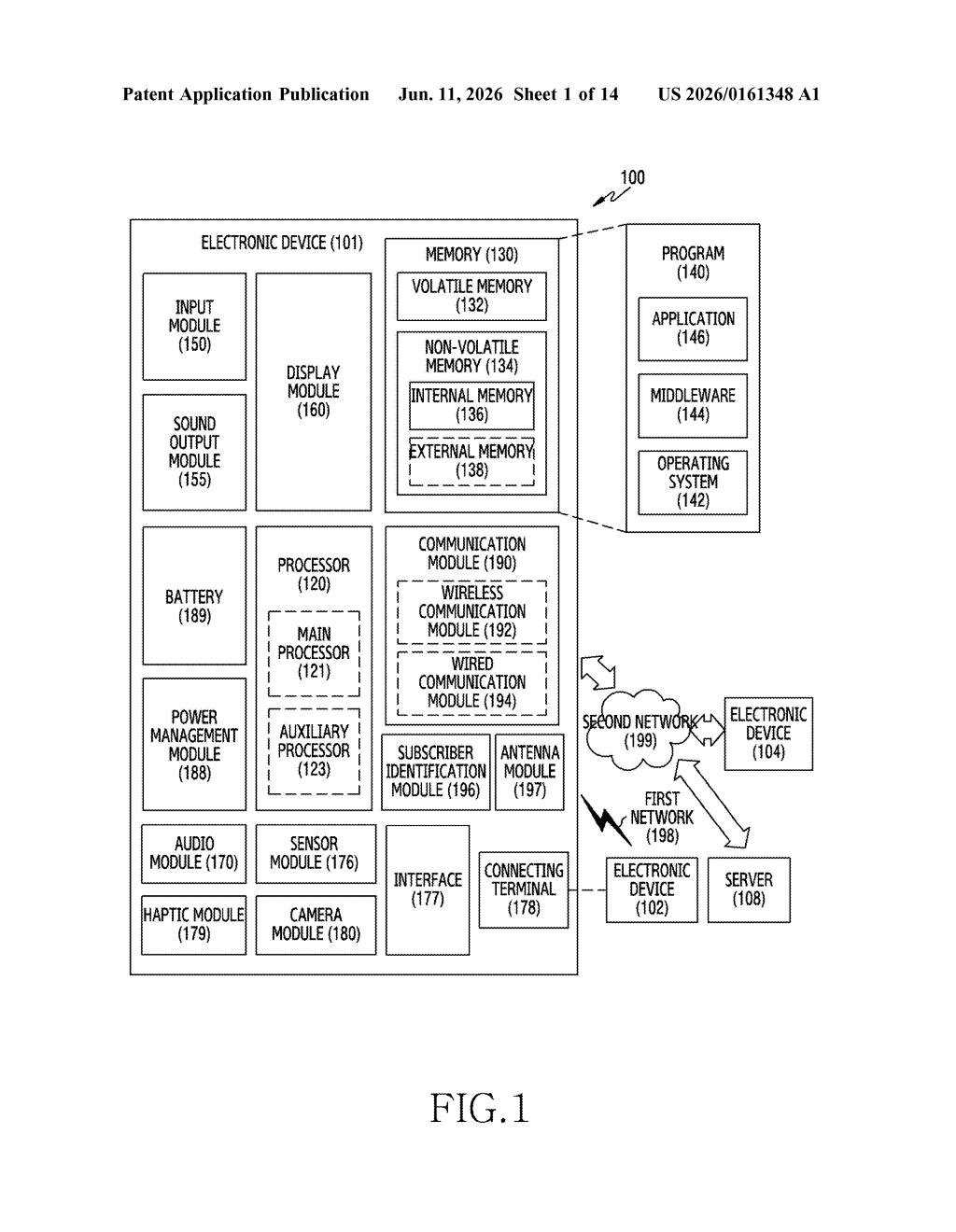
How Samsung's wireless audio channel fix actually works
Imagine you're at a concert or a busy office, and your wireless earbuds keep cutting out. The channel they're using to talk to your phone is getting crowded by other signals, but your phone can't easily scout for a better one while it's busy streaming audio to the earbuds at the same time.
Samsung's patent describes a clever workaround: when your earbuds tell your phone the connection is degrading, your phone reaches out to a second nearby device — say, another Samsung phone in the room — and asks it to scan the airwaves for a less-congested channel. That scout device reports back, and your phone uses the results to switch your earbuds to a cleaner connection.
The key insight is that offloading the scanning to a different device means your phone doesn't have to interrupt its own audio stream to go hunting for a better signal. The handoff happens behind the scenes, and in theory your audio just keeps playing.
How the second device scouts and hands off channel data
The patent describes a three-device coordination system: a primary device (your phone), an audio output device (your wireless earbuds or speaker), and a secondary nearby device that acts as a temporary channel scout.
The workflow proceeds in steps:
- The audio output device sends the primary device a status message flagging that the wireless channel quality is deteriorating.
- The primary device searches for a nearby second device — one that's within range and able to help — and sends it a channel-scanning request.
- The second device scans the available wireless spectrum (checking which channels are clear of interference) and returns a channel estimation result — essentially a ranked map of cleaner options.
- The primary device uses that result to switch the audio connection to a better channel.
The design sidesteps a fundamental tension in wireless audio: the device that needs a better channel is the same device currently occupied with maintaining the connection. By delegating the scan to an idle third party, the primary device can make an informed switch without dropping the stream to go searching itself.
The patent is framed around wireless audio services broadly, not tied to a specific protocol, though the architecture resembles how next-generation Bluetooth audio standards handle multi-device coordination.
What this means for crowded-room Bluetooth audio
Wireless audio dropouts in crowded environments — gyms, airports, offices full of Bluetooth devices — are one of the most common complaints about truly wireless earbuds. Most current solutions rely on the headphones or the phone retrying the same channel or hopping blindly. A system that proactively scouts cleaner channels using ambient devices could meaningfully reduce interruptions without requiring the user to do anything.
For Samsung, which sells the Galaxy Buds line and builds the One UI ecosystem across phones, tablets, and PCs, a coordinated multi-device scanning system would be a natural fit. Your Galaxy Tab sitting on the desk could quietly serve as a signal scout for your Galaxy Buds — the kind of seamless ecosystem feature Samsung regularly uses to differentiate its hardware lineup from standalone competitors.
This is a genuinely practical idea for a genuinely annoying problem. Offloading channel scanning to a nearby idle device is elegant precisely because it works with the existing constraint — the primary device is busy — rather than fighting it. Whether it reaches production depends on how Samsung handles the coordination protocol overhead, but the core concept is worth watching.
There are more where this came from
We read every patent application Big Tech publishes and send you the ones worth knowing. Plain English, free, every week.
Want this weekly breakdown for a company we don't cover? Patentlyze Pro →