
Samsung Patents an AI That Automatically Groups Your Home Devices Around You
Samsung is patenting a system that watches where you are in your home and what your devices are doing — then silently organizes them into logical groups so a single command can reach exactly the right ones.
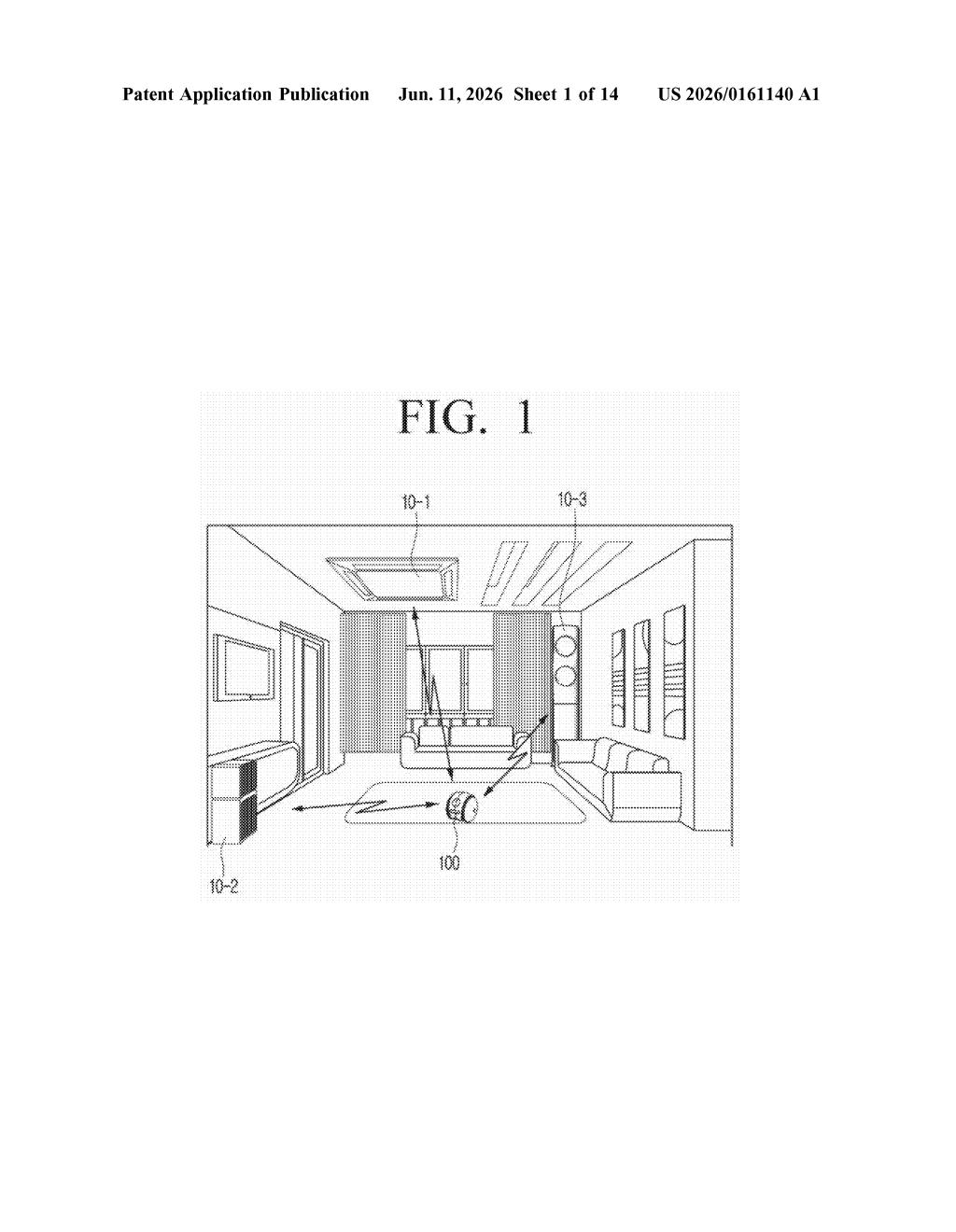
What Samsung's AI device-grouping system actually does
Imagine you walk into your home office and your phone automatically knows to send a "focus mode" command to the lights, the speaker, and the display in that room — not the TV in the living room, not the smart bulb in the bedroom. That's the core idea here.
Samsung's patent describes a device — likely a phone, tablet, or hub — that continuously tracks where you are, where each connected gadget is, and what every gadget is currently doing. An AI model takes all of that in and figures out which devices logically belong together in a given moment.
Once the AI has drawn those invisible groupings, your device sends a single control signal to everything in the relevant group. You don't have to tap into separate apps or manually select which lights or speakers you mean. The system infers the right cluster for you.
How the AI model reads location and device state to build groups
The patent describes an electronic device — Samsung is deliberately vague, but a Galaxy phone or SmartThings hub fits the bill — that pulls together what it calls integrated data: a combined snapshot of each connected device's current operating state, each device's physical location, and the user's real-time location.
That bundle of information is fed into an AI model (the patent doesn't specify the architecture, just that it's AI-driven) which outputs group information — essentially a dynamic list of which devices should be treated as a set right now. The groupings aren't fixed; they can change as you move around or as device states change.
Once groups are established, the hub identifies an appropriate control signal — an instruction like "lower brightness" or "pause audio" — and broadcasts it only to the devices inside the matching group, using the device's communication circuit (Wi-Fi, Bluetooth, Zigbee, or similar).
Key inputs the system tracks include:
- Operation information — is a device on, off, busy, idle?
- Device location — which room or zone is each gadget in?
- User location — where in the home is the person right now?
What this means for controlling your connected home
The big friction point in smart-home setups today is manual grouping — you have to go into an app, create a room, assign devices, and keep that list updated whenever you add something new. Samsung's patent proposes letting the AI figure all of that out on the fly, which could make multi-device control feel much less like IT work.
For Samsung, this fits neatly into its SmartThings ecosystem strategy. If the AI can reliably infer context — "she's in the kitchen, so kitchen devices form the active group" — it lowers the barrier for people who own a lot of Samsung or connected devices but rarely bother setting up automations because configuration is too tedious.
This is a competent, clearly scoped patent that solves a real and underappreciated annoyance in smart-home life: the gap between owning a dozen connected devices and actually getting them to cooperate without manual setup. It's not a flashy AI announcement — it's plumbing. But if Samsung ships it well inside SmartThings, it's the kind of invisible improvement that makes people stop complaining about their smart home.
There are more where this came from
We read every patent application Big Tech publishes and send you the ones worth knowing. Plain English, free, every week.
Want this weekly breakdown for a company we don't cover? Patentlyze Pro →