
Samsung Patents a Tighter Way to Filter Antenna Options in Multi-Tower 5G
When your phone connects to multiple 5G towers simultaneously to boost speed, coordinating which antenna signals to use gets complicated fast. Samsung's new patent proposes a cleaner rulebook for trimming that list down.
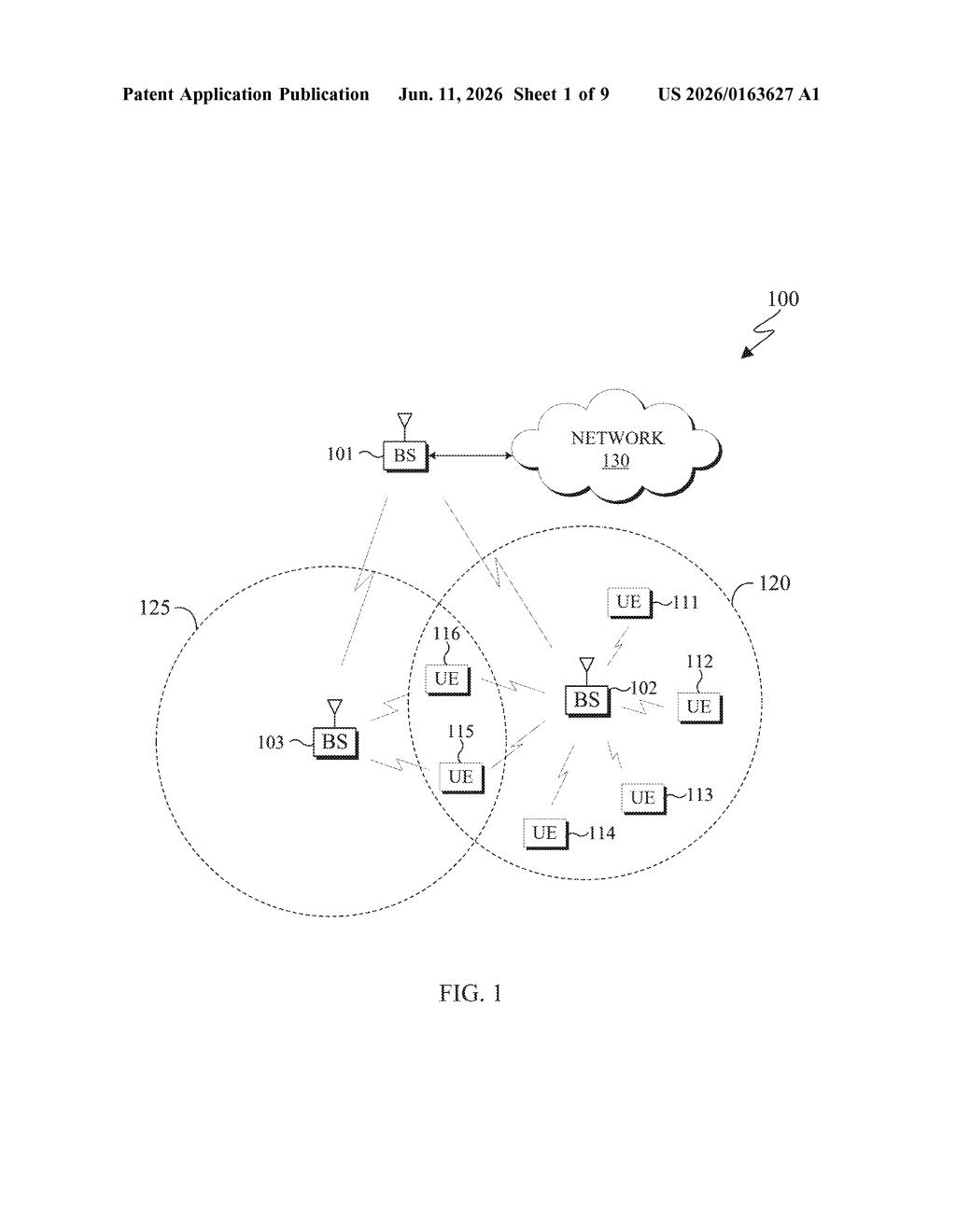
What Samsung's multi-tower antenna filtering actually does
Imagine your phone is getting directions from two GPS satellites at the same time — it has to decide how much to trust each one and which signals to combine. Modern 5G networks do something similar: they let your phone receive data from multiple cell towers at once, a technique called coherent joint transmission. The tricky part is telling your phone exactly which signal combinations it's even allowed to consider, so it doesn't waste time evaluating options the network can't support.
That's what this patent addresses. Samsung is describing a structured way for a base station to send your phone a filtered shortlist of antenna signal patterns — one per tower — along with a limit on how many simultaneous data streams are permitted. Your phone then uses only those approved combinations to report back on channel quality.
The result is less back-and-forth overhead between your phone and the network, and more efficient use of the antenna hardware on both ends. It's unglamorous plumbing, but it's the kind of thing that quietly makes a 5G connection feel more consistent.
How the codebook subset restrictions narrow the signal space
This patent covers a signaling procedure for Coherent Joint Transmission (CJT) — a 5G technique where multiple base station sites (called TRPs, or Transmission and Reception Points) send data to a single device in a coordinated way, effectively acting as one large antenna array.
The core problem: each TRP has a large number of possible spatial-domain basis vectors (essentially, directional antenna beam patterns). Letting the device evaluate every combination across all TRPs creates enormous reporting overhead. The patent solves this by defining a structured restriction framework:
- Rank restriction: The base station tells the device the maximum number of simultaneous data layers (spatial streams) it may report on.
- Per-TRP codebook subset restrictions (CBSRs): For each TRP, the base station sends a bitmask or equivalent indicator specifying which beam patterns are permitted for that site's antenna ports.
- CSI report generation: The device intersects these two constraint sets — allowed ranks and allowed beams per TRP — and computes its Channel State Information (CSI) report only within that intersection.
The Type II CJT codebook referenced here is part of the 5G NR (New Radio) standards family, and this patent appears aimed at resolving ambiguities in how per-TRP restrictions interact with rank restrictions in multi-site deployments.
What this means for 5G reliability in dense networks
For network operators, this kind of precise signaling control is essential when rolling out multi-site coordination in dense urban areas — stadiums, office districts, transit hubs — where several towers can realistically serve the same device. Without clear rules for restricting codebook options, devices might report channel conditions the network can't actually use, wasting capacity.
For the average user, the downstream effect is a more stable and efficient connection when you're in a coverage area served by multiple 5G sites. You won't see a toggle for this in your settings — it's baked into how your phone and the network negotiate behind the scenes — but it's part of what keeps throughput high without draining your battery on unnecessary signal processing.
This is a narrow but real contribution to 5G standards work — the kind of specification-level patent that matters if you're a network equipment vendor or a chipmaker implementing NR Release 18 features. Samsung files a lot of these, and they tend to show up in 3GPP standardization discussions. For general readers, it's worth knowing this exists, but it won't change how you experience your phone.
There are more where this came from
We read every patent application Big Tech publishes and send you the ones worth knowing. Plain English, free, every week.
Want this weekly breakdown for a company we don't cover? Patentlyze Pro →