
Qualcomm Patents a Way for Phones on Fixed Routes to Pre-Pick Their Cell Towers
If your phone already knew you take the same bus route every morning, it could pre-plan exactly which cell towers to use — and skip the scramble. That's the idea behind Qualcomm's latest patent.
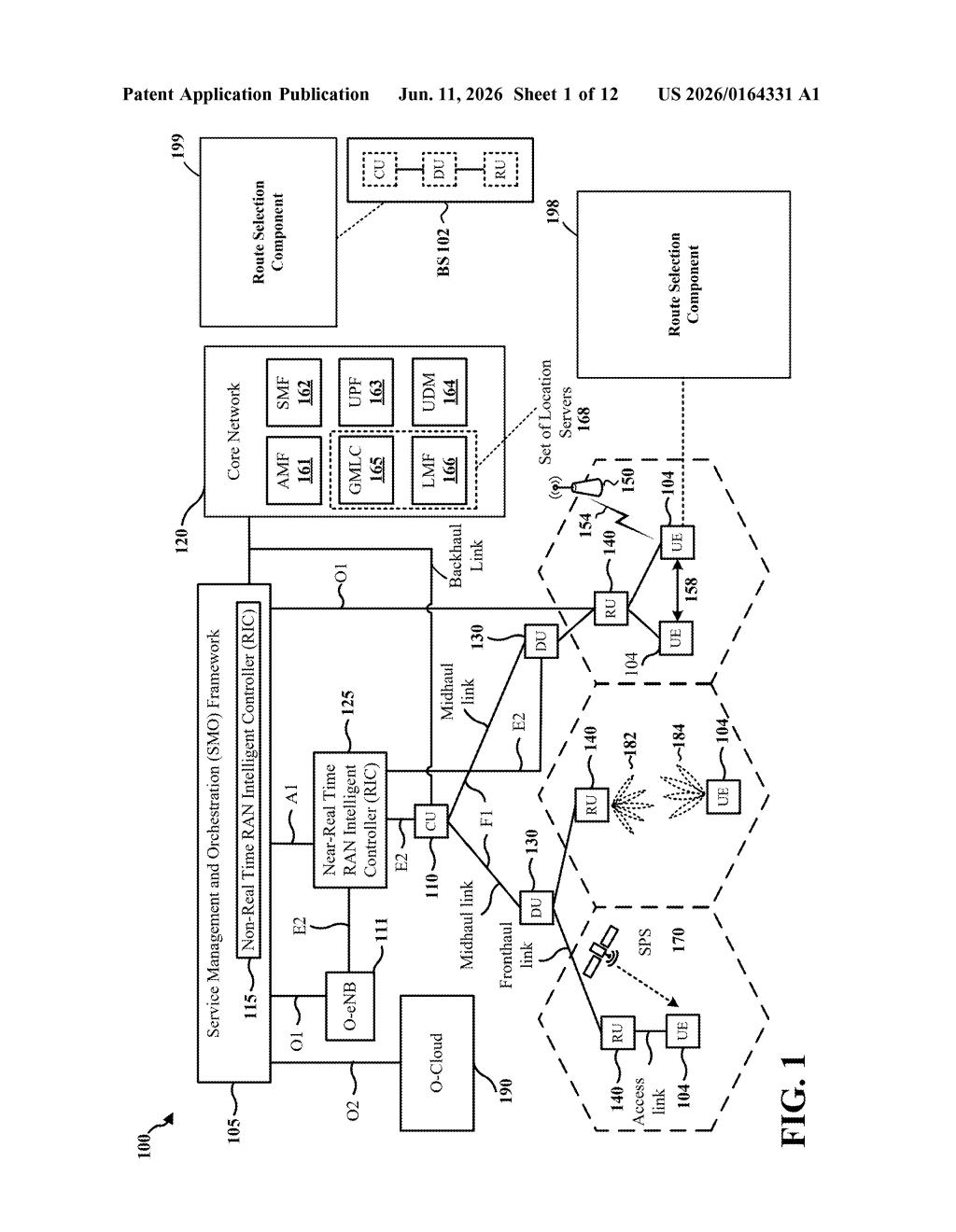
What Qualcomm's route-aware cell selection actually does
Imagine your morning commute: you board the same train, travel the same tracks, and your phone spends the whole ride hunting for the strongest cell signal, switching towers constantly. That constant searching drains your battery and can interrupt calls or downloads mid-commute.
Qualcomm's patent describes a system where your device recognizes that it's on a fixed route — a bus line, a train, a delivery vehicle's regular circuit — and uses the known start and end points to figure out in advance which cell towers it will pass. Instead of reacting to each new tower as it appears, the device pre-selects only the towers along that corridor.
The result is a more predictable, efficient connection for anyone whose device travels the same path repeatedly. Think transit passengers, fleet vehicles, or even drones flying set corridors. Your device does less guesswork and more planning.
How the UE maps route endpoints to a tower subset
The patent describes a process running on the user equipment (UE) — the technical term for any device connecting to a cellular network, like a phone, tablet, or embedded modem. The device identifies that it is traveling an initial route by analyzing the route's two endpoints (start and finish).
When the route changes — say, a bus is rerouted or a train takes a different branch — the device detects that update and recalculates which towers are relevant. It then selects a subset of network cells (a short list of towers along the known path) from the full set of available towers in the area, and limits its communication to that pre-chosen list.
Key components of the approach include:
- Route-endpoint identification: using the start and end points of the journey to define the corridor of interest
- Dynamic update detection: recognizing mid-route changes and refreshing the tower shortlist accordingly
- Selective cell communication: actively restricting which towers the device negotiates with, reducing unnecessary handoff attempts
This is essentially the device doing its homework before the trip rather than figuring things out on the fly — a form of predictive mobility management built directly into the device's radio logic.
What this means for commuters and connected transit
Most cellular handoff decisions happen reactively — your phone notices a stronger signal and switches towers, sometimes mid-stream. On a predictable fixed route, that reactive approach wastes energy and creates brief interruptions. Qualcomm's approach shifts the logic to proactive planning, which matters most for transit riders, delivery fleets, and connected vehicles where the path is known ahead of time.
For you as a passenger, a smoother handoff sequence could mean fewer dropped video calls on the subway and a battery that lasts a bit longer. For network operators, devices that pre-select towers reduce signaling overhead — fewer devices randomly pinging every nearby tower at once. As 5G deployments target fixed-route use cases like connected buses and rail, this kind of optimization becomes a practical engineering necessity rather than a nice-to-have.
This is quiet, foundational radio-management work — not flashy, but genuinely useful for the growing category of devices that move predictably through space. Qualcomm is positioning its modem intelligence to handle transit and fleet scenarios more gracefully than current reactive systems do, which lines up neatly with where 5G deployment is actually heading in public transit and logistics.
There are more where this came from
We read every patent application Big Tech publishes and send you the ones worth knowing. Plain English, free, every week.
Want this weekly breakdown for a company we don't cover? Patentlyze Pro →