
Samsung Patent Covers AI/ML Data Reporting Methods for 5G Dual Connectivity Networks
Your phone already juggles two separate cell connections at once in parts of 5G. Samsung wants those two connections to feed real-time data to AI models running inside the network, so the network can make better decisions about how to manage your call or download.
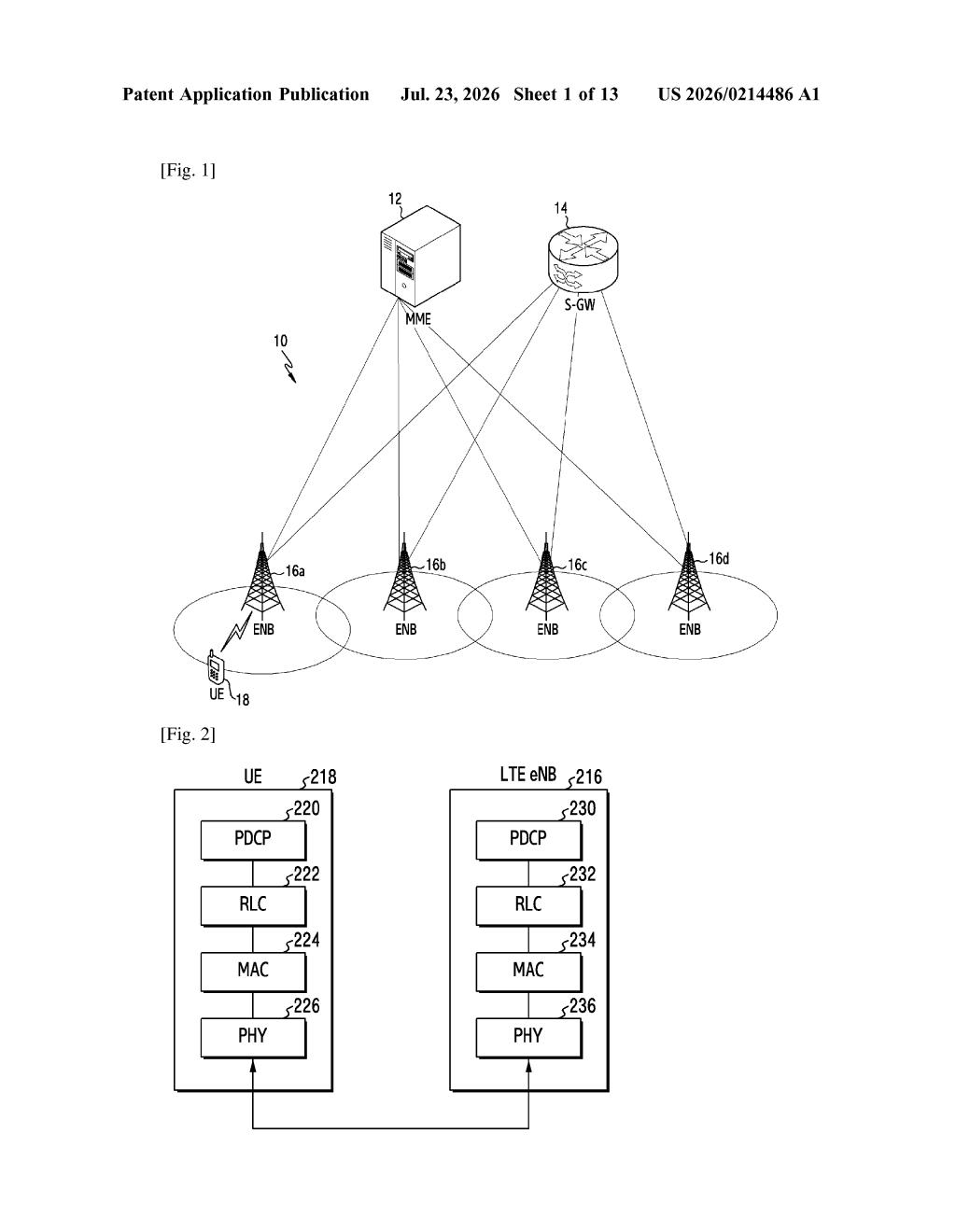
What Samsung's dual-network AI data collection actually does
Imagine your phone is connected to two cell towers at the same time, which is something modern 5G networks actually do to boost speed and reliability. One tower is the main one; the other is a helper. Samsung's patent describes a way for your phone to act as a data collector for AI tools running inside the network, gathering measurements from both connections and reporting them back.
The network sends your phone a configuration message that tells it exactly what data to gather and where to send it. For the main tower's AI, your phone reports to the main tower. For the helper tower's AI, it reports there. The setup even works when your phone isn't in an active call, covering the low-power "idle" and "inactive" states most phones spend a lot of time in.
The end goal is giving network operators a steady stream of real-world signal data so their AI systems can optimize coverage, predict congestion, and allocate bandwidth more efficiently, all without you noticing a thing.
How the UE collects and routes AI/ML data across two cell groups
The patent covers a protocol-level procedure for how a phone (called a user equipment, or UE in cellular standards language) participates in AI/ML data collection inside a dual connectivity network. Dual connectivity means the phone maintains simultaneous radio links to two separate cell groups: a Master Cell Group (MCG) and a Secondary Cell Group (SCG).
The phone first establishes a control connection (called an RRC connection, which is the standard signaling channel 5G phones use to talk to a base station) with the master node. Over that channel, the master node sends at least one configuration message. That message can include:
- Master measurement configuration: instructions for the phone to collect AI/ML-relevant data (signal quality, load metrics, interference readings) and report it to the master node.
- Secondary measurement configuration: instructions to do the same thing but report to the secondary node instead.
Once configured, the phone gathers the requested measurements and routes them to whichever node the configuration specified. The patent also handles the case where the phone is in IDLE or INACTIVE state (not in an active session), so AI data collection doesn't have to pause just because no call or download is happening.
The technical contribution here is the signaling architecture: defining exactly how configuration messages are structured and how reporting responsibilities are split between the two nodes.
What this means for AI-driven 5G and future 6G networks
AI-driven network management is a major theme in both 5G rollouts and the early planning for 6G. Operators want AI models that can predict where congestion will hit, pre-position resources, and cut interference, but those models need fresh, real-world data from actual devices. This patent carves out the signaling scaffolding that makes that data collection possible in the specific case of dual-connectivity setups, which cover a growing share of premium 5G deployments.
For everyday users, the impact would be indirect: better-tuned networks, fewer dropped connections in crowded areas, and more consistent speeds. For Samsung as a network infrastructure vendor (it sells base stations and core network gear, not just phones), locking down this signaling design in a patent is a way to shape how the industry standardizes AI data collection at the radio layer.
This is deep cellular-standards plumbing, the kind of patent that matters to network equipment vendors and 3GPP standards committees far more than to consumers. Samsung sells both handsets and base stations, so owning pieces of how AI data collection is defined at the protocol level is a legitimate business move. It's not exciting reading, but it's exactly the kind of filing that shapes what 6G looks like.
There are more where this came from
We read every patent application Big Tech publishes and send you the ones worth knowing. Plain English, free, every week.
The drawings
13 drawing sheets from US 2026/0214486 A1 · click any drawing to enlarge


Want this weekly breakdown for a company we don't cover? Patentlyze Pro →
Be the first to weigh in