
Sony Patents a System That Tunes Game Audio to Your Hearing Profile
Not everyone hears game audio the same way — and Sony is filing patents to do something about it. This system would automatically reshape a game's sound output to fit a player's specific hearing needs, in real time.
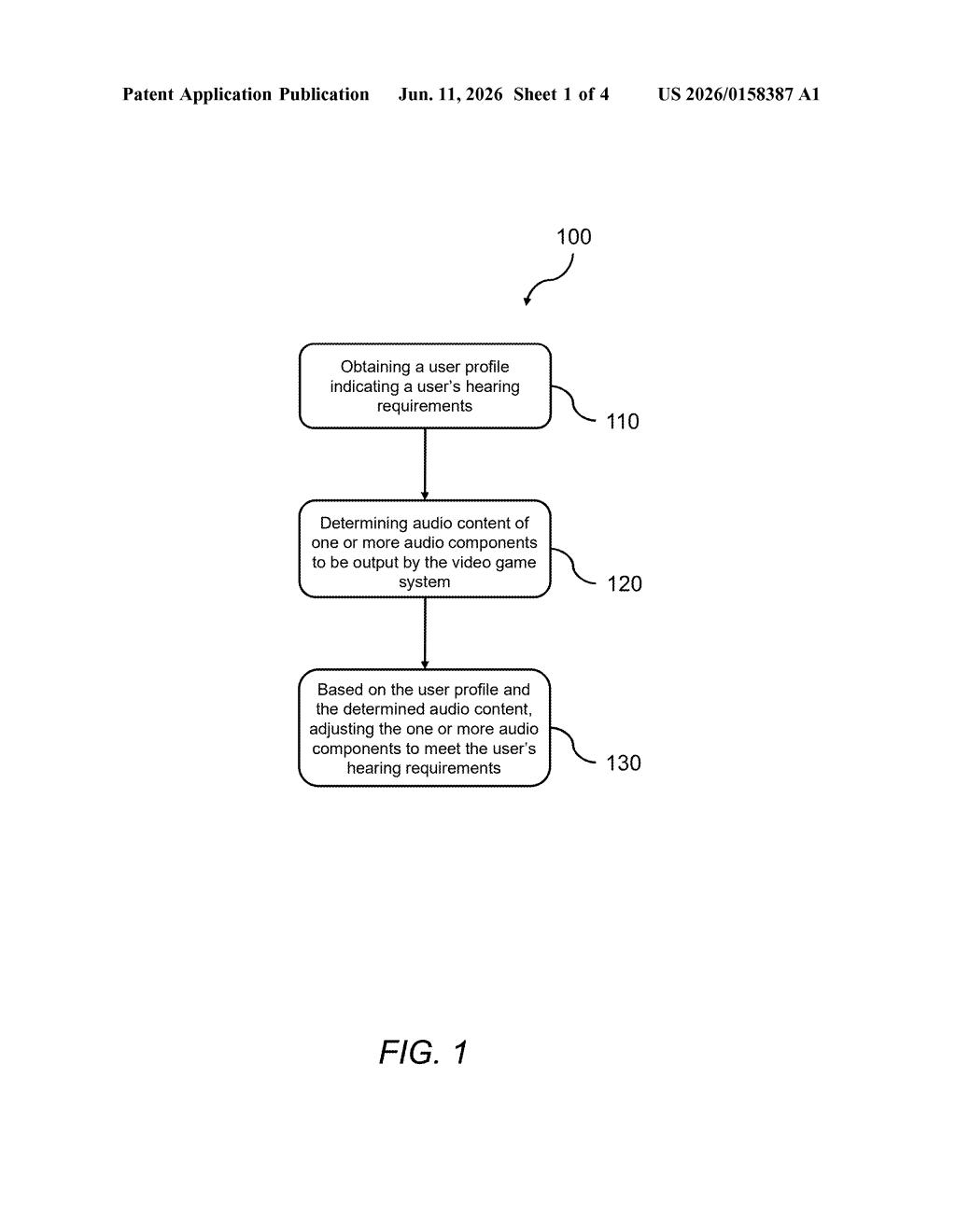
How Sony's hearing-aware game audio actually works
Imagine you have some hearing loss in the high-frequency range — explosions come through fine, but you miss quiet dialogue or high-pitched sound cues. Normally you'd fiddle with system-wide equalizer settings and hope for the best. Sony's patent describes a smarter fix: a user hearing profile that the console actually reads before adjusting the game's audio.
The idea is that the system analyzes what kinds of sounds are about to be played — speech, music, sound effects — and then adjusts each of those layers individually to match your hearing requirements, not just a generic accessibility preset.
In practice, that could mean dialogue gets boosted and sharpened for someone with high-frequency loss, while the soundtrack stays untouched. It's a more targeted approach than turning on subtitles and calling it a day.
How the system matches audio components to a user profile
The patent describes a three-step pipeline built into the video game system itself:
- Obtain a user profile — the system reads a stored profile that describes the player's hearing requirements (think: frequency ranges they struggle with, or conditions like tonal hearing loss).
- Determine audio content — before or during playback, the system identifies what kind of audio is being sent out — speech, ambient sound, music, effects — treating these as separate audio components.
- Adjust per component — based on the intersection of the user's profile and what's actually playing, the system applies targeted adjustments to each audio layer independently.
The key distinction from a simple system-wide EQ is that adjustments are content-aware. A loud action sequence and a quiet conversation would each be processed differently based on what the profile says the user needs, rather than applying a blanket filter across everything.
The patent is broad and platform-agnostic in its language, covering any "video game system" — so this could theoretically live in console firmware, a controller, or companion software.
What this means for hearing-accessibility in gaming
For the roughly 15% of adults who have some degree of hearing loss, standard game audio settings are a blunt instrument. Turning up the master volume helps with some sounds and overwhelms others. Sony targeting per-component audio adjustments tied to a personal profile is a meaningful step toward making games genuinely playable for more people, not just technically accessible on paper.
From a strategic angle, Sony has been pushing accessibility features on PlayStation for several years — the Access controller being the most visible example. A hearing-profile system built at the OS or firmware level would extend that commitment into audio, and could apply across all games without requiring developers to do extra work.
This is quiet, useful accessibility infrastructure — the kind that doesn't make headlines at a press event but genuinely improves daily life for a large segment of players. The patent is broad, which means it's more of a staked claim on the concept than a detailed engineering blueprint, but the intent is clear and the need is real.
There are more where this came from
We read every patent application Big Tech publishes and send you the ones worth knowing. Plain English, free, every week.
Want this weekly breakdown for a company we don't cover? Patentlyze Pro →