
Microsoft Patents AI Agent System for Searching Fragmented Cybersecurity Data
Security teams routinely juggle dozens of databases that don't speak the same language — literally. Microsoft's new patent describes an AI agent system that lets analysts ask questions in plain English and get answers pulled from all of them at once.
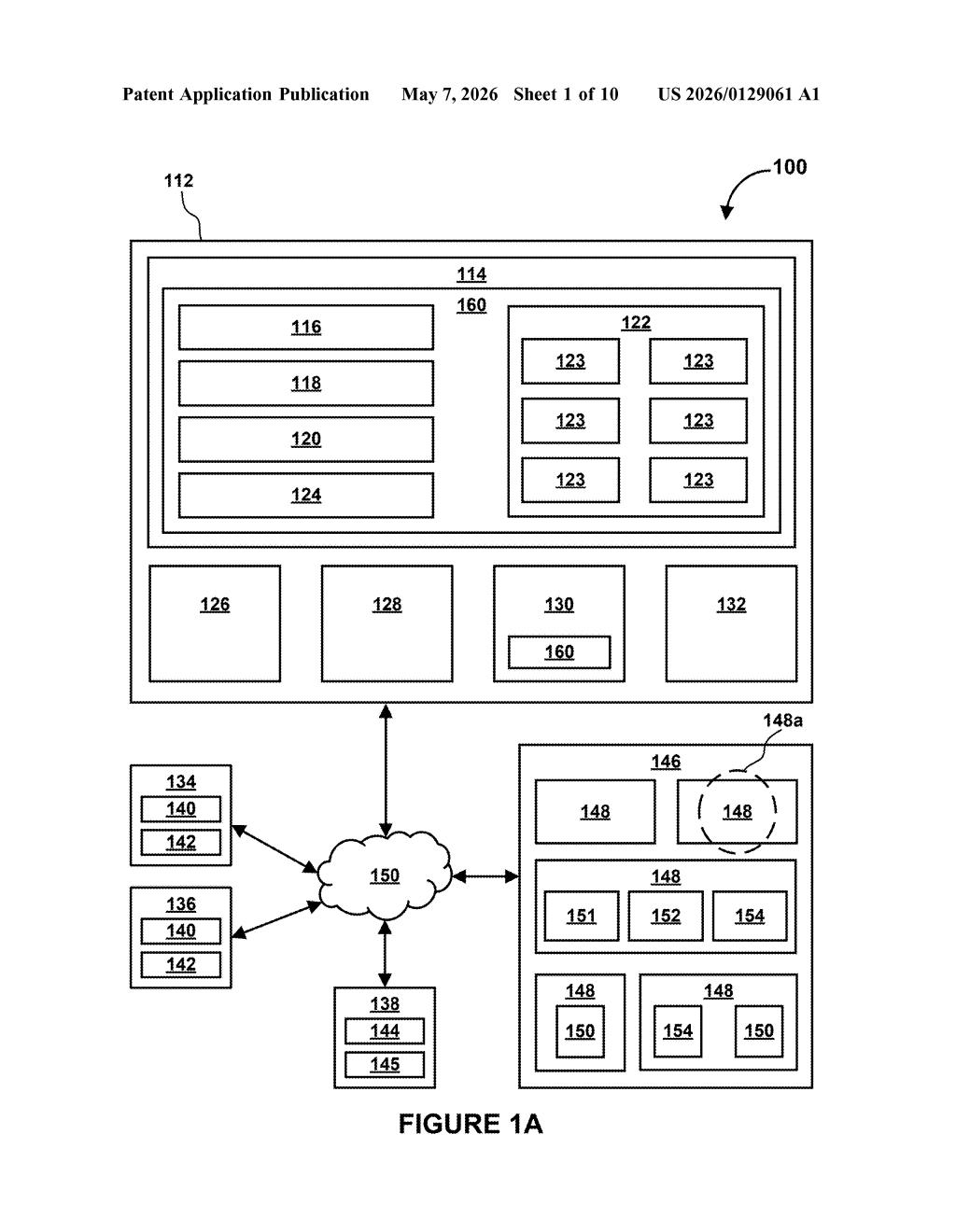
What Microsoft's multi-agent security search actually does
Imagine your company's security team needs to investigate a suspicious login. The evidence might be scattered across a cloud log database, an on-premise threat intelligence store, and a network traffic archive — each using a completely different query language and data format. Right now, a human analyst has to know how to query each one separately.
Microsoft's patent describes a system where you just type a plain English question — something like "show me login attempts from this IP in the last 24 hours" — and a network of AI agents figures out which databases are relevant, translates your question into the right query language for each one, and stitches the results together into a single answer.
The clever part is a data map: a structured representation of all available data sources and how they relate to each other. That map is what lets the system route your question intelligently, and it's designed so new data sources can be plugged in without rebuilding everything from scratch.
How the data map routes queries to the right agent
The patent describes a pipeline with several moving parts working in sequence.
First, the system builds a data map representation — essentially a schema-of-schemas that captures what data sources exist, what kinds of data they hold, and how they relate to one another. This is important because cybersecurity environments often mix SQL databases, graph databases, proprietary SIEMs (Security Information and Event Management platforms), and cloud-native log stores, all with different query syntaxes.
When a user submits a natural language query, a large language model (LLM) analyzes it to extract query intent — identifying the entities involved (IP addresses, user accounts, file hashes) and the context (timeframe, event type, severity). That intent gets mapped against the data map to identify which data source or sources are relevant.
The system then dispatches a search agent parameterized for that specific data source — meaning an agent pre-configured with the right query language, authentication, and schema knowledge for that store. The agent executes the query, and the results are used to augment the response returned to the user, likely via an LLM-generated summary.
- Data map: unified index of all available security data sources
- Intent extractor: LLM that parses entities and context from natural language
- Router: maps intent to the relevant data source via the data map
- Search agent: source-specific executor that runs the actual query
What this means for security analysts drowning in siloed data
For security analysts, the status quo is painful: learning five query languages, switching between tools, and manually correlating results. A system like this could compress a multi-step investigation into a single conversational query — which matters a lot when response time is measured in minutes, not hours.
This also fits squarely into Microsoft's broader Security Copilot strategy. The patent's emphasis on integrating new data sources with minimal additional computing resources suggests Microsoft is thinking about enterprise environments where the data landscape changes constantly — new cloud services, new vendors, new log formats. A plug-and-play architecture for AI-powered security search would give Microsoft's platform a durable edge over point solutions.
This is genuinely useful infrastructure work, not a flashy AI demo. The hard problem in enterprise security isn't lack of data — it's that the data is fragmented across incompatible systems, and querying all of it simultaneously is a real operational bottleneck. Microsoft is betting that a data-map-plus-agents architecture is the right abstraction layer to solve that. Given how well this aligns with Security Copilot's existing positioning, don't be surprised if pieces of this show up in a product announcement within 18 months.
There are more where this came from
We read every patent application Big Tech publishes and send you the ones worth knowing. Plain English, free, every week.
Want this weekly breakdown for a company we don't cover? Patentlyze Pro →