
Waymo's New Patent Teaches Its Cars to Notice When Their Radar Is Going Deaf
A radar that doesn't know it's broken is arguably worse than no radar at all. Waymo is filing a patent for a system that lets a self-driving car figure out, on its own, when its radar is starting to lose its edge.
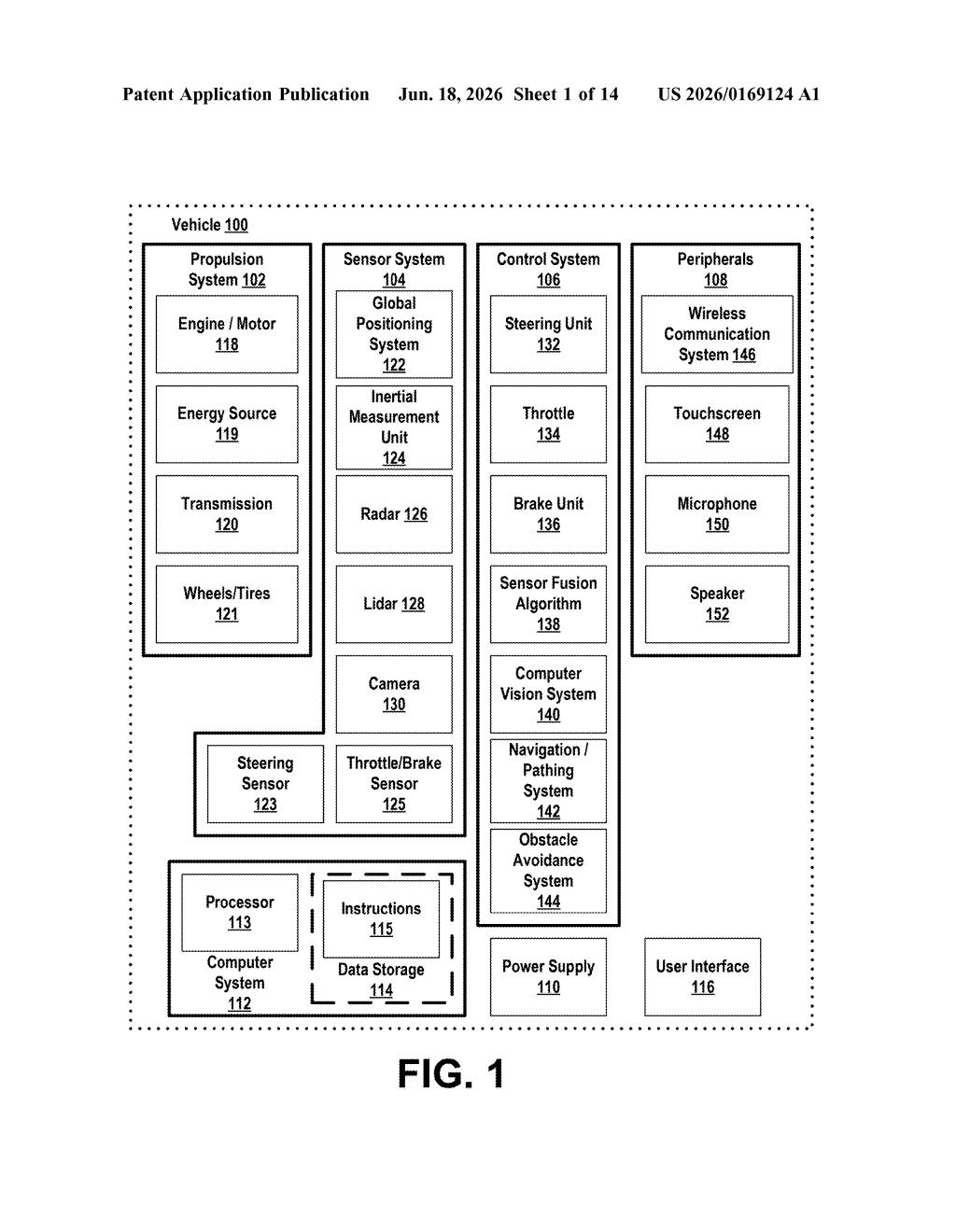
What Waymo's self-diagnosing radar system actually does
Imagine your car's radar is like a bat using echolocation — it bounces signals off nearby objects and uses the reflections to understand what's around it. Now imagine the bat is going a little deaf, but nobody told it. That's the problem Waymo is trying to solve.
Waymo's patent describes a system that continuously checks whether the radar is returning the signal strength it should be. It does this by picking out familiar, predictable objects nearby — the kind whose radar signature is well understood — and comparing what the radar actually picks up against what the system expects to see based on data from thousands of prior encounters with similar objects.
If the real reading is consistently weaker than expected, the system flags it as a sensitivity loss and can either change how the vehicle drives or alert someone that the sensor needs attention. It's essentially a built-in health check that runs quietly in the background while the car is on the road.
How the system scores radar returns against a learned baseline
The patent covers a pipeline that runs on the vehicle's onboard computing system while the car is in normal operation.
- Object detection: The radar scans the environment and the system picks out objects it can see — other cars, pedestrians, infrastructure, etc.
- Filtering: Not every object is useful for calibration. The system applies a set of predetermined criteria to find a particular type of object — one with a known, consistent radar signature. Think of it like using a known reference weight to test a scale.
- Comparison against a data model: The detected object's radar return (signal strength, also called received signal power or RCS — radar cross-section, a measure of how reflective an object is) is compared against a data model built from aggregated radar data across many prior encounters with that same object type. This is the system's idea of "what this should look like."
- Sensitivity loss estimation: If the real reading falls below the expected model value by more than a threshold, the system estimates that the radar has lost sensitivity — likely due to blockage (dirt, ice), hardware wear, or signal degradation.
Once a sensitivity loss is detected, the vehicle can adjust its driving strategy — for example, increasing following distance or slowing down — or flag the sensor for maintenance. The patent notes that both the radar operation itself and the vehicle's control behavior can be modified in response.
What degraded radar means for robotaxi safety and uptime
For robotaxis and autonomous vehicles, a sensor that quietly underperforms is a genuine safety liability. Current approaches to radar health often rely on scheduled maintenance checks or obvious failure modes — this patent is aimed at catching the gradual, in-between degradation that neither extreme catches. A radar losing 20% of its sensitivity might not throw an error code, but it could mean the vehicle "sees" a car at 40 meters instead of 50 — a difference that matters at highway speeds.
For Waymo's commercial robotaxi operation, the business case is just as clear as the safety one. Vehicles that can self-diagnose and adapt in real time don't need to be pulled off the road for precautionary checks as often. That translates directly to fleet uptime and operating cost — two things that determine whether a robotaxi business actually scales.
This is unglamorous but genuinely important work. The harder problem in autonomous vehicles isn't building sensors that work — it's knowing when they've quietly stopped working as well as they should. Waymo filing a patent specifically for in-operation radar health estimation suggests this is a real operational gap they've encountered, not a theoretical exercise. Worth paying attention to.
There are more where this came from
We read every patent application Big Tech publishes and send you the ones worth knowing. Plain English, free, every week.
Want this weekly breakdown for a company we don't cover? Patentlyze Pro →