
Microsoft's New Patent Lets AR Glasses Zoom In on a Sign While You See the Whole Room
Imagine wearing a headset that shows you the room at normal scale — but also keeps a zoomed-in window trained on the fine print across the table, all at the same time. That's the idea behind this Microsoft patent.
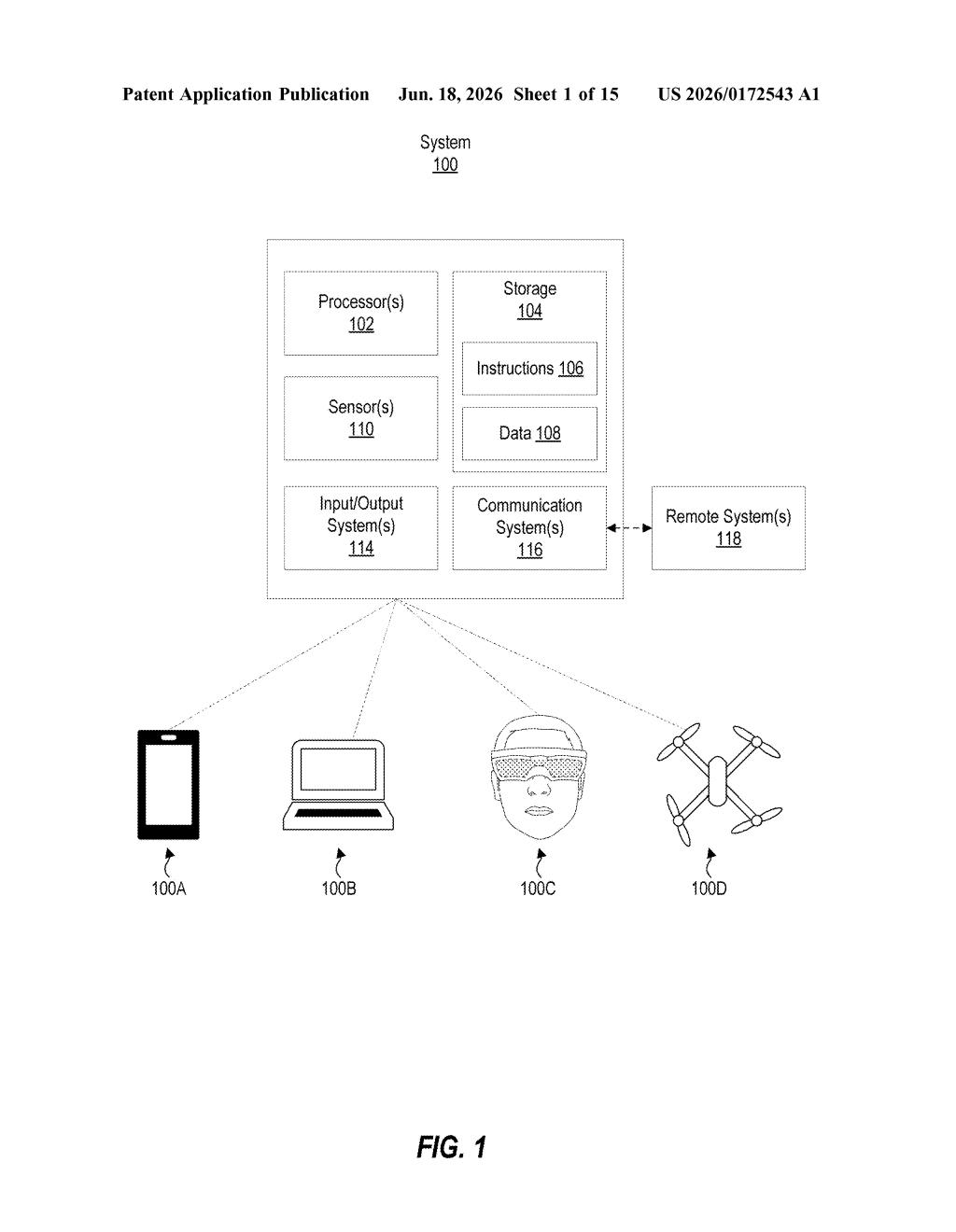
What Microsoft's split-zoom headset view actually does
Picture wearing a pair of AR glasses and being able to read a whiteboard across the room without walking over to it — because part of your view is automatically zoomed in on it, while the rest of what you see looks totally normal. That's the core of what Microsoft is patenting here.
The system captures footage from a camera built into the headset and then splits the display into at least two regions: one showing the world at a regular zoom level and another showing the same scene — or a different part of it — magnified. Both regions update in real time, so there's no lag between what the camera sees and what you see.
This kind of feature could be useful for surgeons reading instrument panels, technicians working on small components, or anyone who needs to see both the big picture and the fine detail at once — without fumbling for a magnifying glass or stepping closer.
How the headset renders two zoom levels from one image
The patent describes a pass-through zoom mode for head-mounted displays (HMDs) — headsets that use cameras to show the wearer a live video feed of the real world, rather than blocking it out entirely. Think of it as the AR equivalent of looking through a window, but with a digital overlay on top.
From a single captured image (or set of images from multiple sensors), the system generates a composite display output that contains at least two distinct regions:
- Region one: the scene rendered at a baseline zoom level — essentially what you'd normally see.
- Region two: the same scene (or a different portion of it) rendered at a different zoom level — either more zoomed in or more zoomed out.
The key technical requirement is that the entire pipeline — capturing the image, processing both regions, and displaying the result — must happen in real time or near real time. That matters because any noticeable delay between what the camera sees and what the user sees causes disorientation, which is a known problem with video-pass-through headsets.
The patent doesn't lock this into a fixed layout. The two regions could be side-by-side, picture-in-picture, or any other arrangement the system designer chooses — giving Microsoft flexibility in how this could eventually appear in a product.
What this means for HoloLens and mixed-reality work
Microsoft's HoloLens line has long targeted enterprise and industrial use cases — factory floors, operating rooms, field service work — where workers routinely need to see both a wide scene and fine detail simultaneously. A built-in zoom window, always live and always up to date, would eliminate a real friction point: the constant back-and-forth between looking at something up close and maintaining situational awareness of the surrounding environment.
For you as a user, this could mean fewer moments of pulling off your headset to squint at something small, or losing track of what's happening around you while you focus in. It's a practical accessibility feature as much as a productivity one — and it signals that Microsoft is still investing in making pass-through AR feel genuinely useful rather than just technically impressive.
This is a sensible, unglamorous patent that solves a real problem people who actually use AR headsets run into daily. It's not a moonshot — it's the kind of quiet engineering work that makes the difference between a headset that stays on your head and one that gets taken off every five minutes. Worth watching for HoloLens or any future Microsoft mixed-reality hardware.
There are more where this came from
We read every patent application Big Tech publishes and send you the ones worth knowing. Plain English, free, every week.
Want this weekly breakdown for a company we don't cover? Patentlyze Pro →