
Microsoft's New Patent Watches How You Move to Decide If You've Agreed to Be Tracked
Instead of burying a consent checkbox in a terms-of-service screen, Microsoft's new patent describes a system that watches how you physically move through a space — and treats your behavior as your answer to 'do you agree to be tracked?'
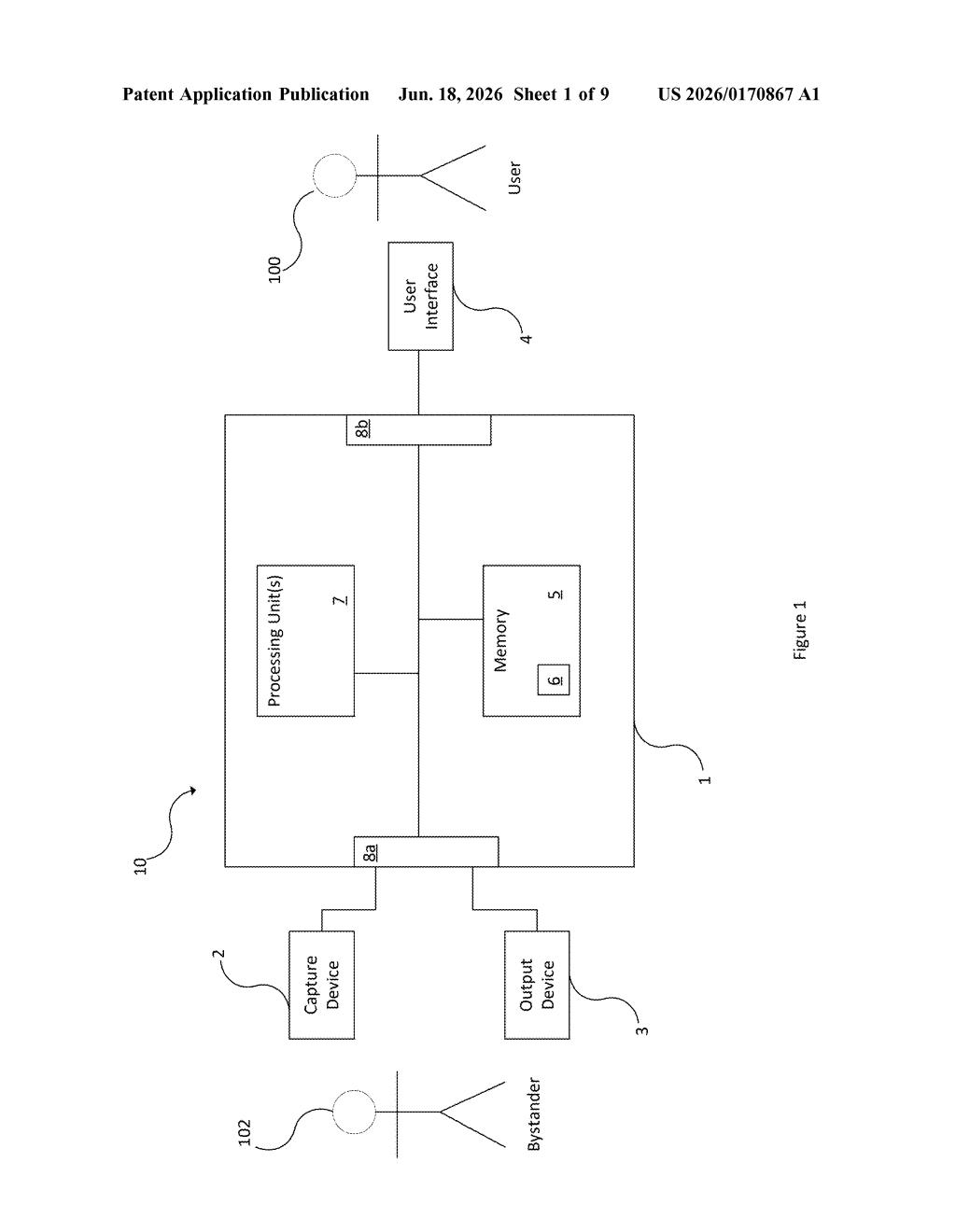
How Microsoft's system turns physical movement into a consent decision
Imagine walking into a lobby and a screen quietly tells you that cameras are monitoring the area. Most people would ignore it and walk on. Microsoft's patent describes a system that goes further: it watches how you respond to that warning, and uses your physical behavior to decide whether your personal data gets shared with anyone.
The system divides the space in front of a sensor — like a camera — into zones. When you enter a "notification zone," the system alerts you that tracking is happening. If you keep moving in a way that suggests you haven't actively chosen to engage, your data stays locked. If your behavior signals that you've acknowledged the prompt and are okay with it, the system treats that as consent and may pass your information along.
The key idea is that information is always collected, but it's only shared after consent is inferred from behavior. Nothing goes out the door until the system decides you've knowingly agreed — without requiring you to tap a screen or sign anything.
How the notification regions and state detection actually work
The patent describes a sensor system — think cameras or depth sensors mounted in a physical space — that continuously monitors people within its field of view. The system works in two layers.
First, it defines zones within that field of view:
- A non-consenting region: you've entered the sensor's awareness area and been notified, but haven't yet signaled agreement
- A consenting region: you've moved or behaved in a way the system interprets as active acknowledgment
When the system detects someone entering the notification zone, it sends out a first-type notification (think a visual or audio prompt). It then continues watching — analyzing behavior patterns (movement, dwell time, physical orientation) to classify the person's state as consenting or non-consenting.
Critically, an extraction function collects data about the person regardless of their state. A separate sharing function then acts as a gatekeeper: it only releases that extracted data to an outside recipient — a retailer analytics system, a building management platform, etc. — once the person has been classified as consenting. Data collected during a non-consenting state is held back unless and until the person's behavior later signals agreement.
What this means for cameras in public and workplace spaces
Privacy regulation around cameras and sensors in public and semi-public spaces is tightening globally — in retail, offices, airports, and healthcare settings. Today's common approach is to post a sign near the entrance and call it done. This patent describes a system that tries to make consent dynamic and behavioral, potentially offering a more defensible legal and ethical framework for operators who want to use sensor data.
For you as a person moving through a monitored space, the practical implication is that simply being seen by a camera wouldn't automatically mean your data gets used downstream. Whether Microsoft turns this into a product for its Azure or workplace-sensor platforms, or whether it remains a research filing, the underlying idea — behavior as consent signal — is a genuinely different way of thinking about how machines should ask permission.
This is one of the more thoughtful privacy-architecture patents to come out of a major tech company in a while — it's clearly the work of researchers who've thought carefully about the gap between 'posted a sign' compliance and meaningful consent. Whether behavior-inferred consent actually holds up legally is a separate question entirely, but as a design concept it's worth taking seriously. The challenge will be proving the system's consent-state classifications are accurate enough to trust.
There are more where this came from
We read every patent application Big Tech publishes and send you the ones worth knowing. Plain English, free, every week.
Want this weekly breakdown for a company we don't cover? Patentlyze Pro →