
Meta's New Patent Wants to Finish Your Sentences Before You Do
Meta is working on a voice assistant that doesn't just wait for you to finish speaking — it offers completions and pre-built responses in real time, then figures out the best way to surface them depending on your device.
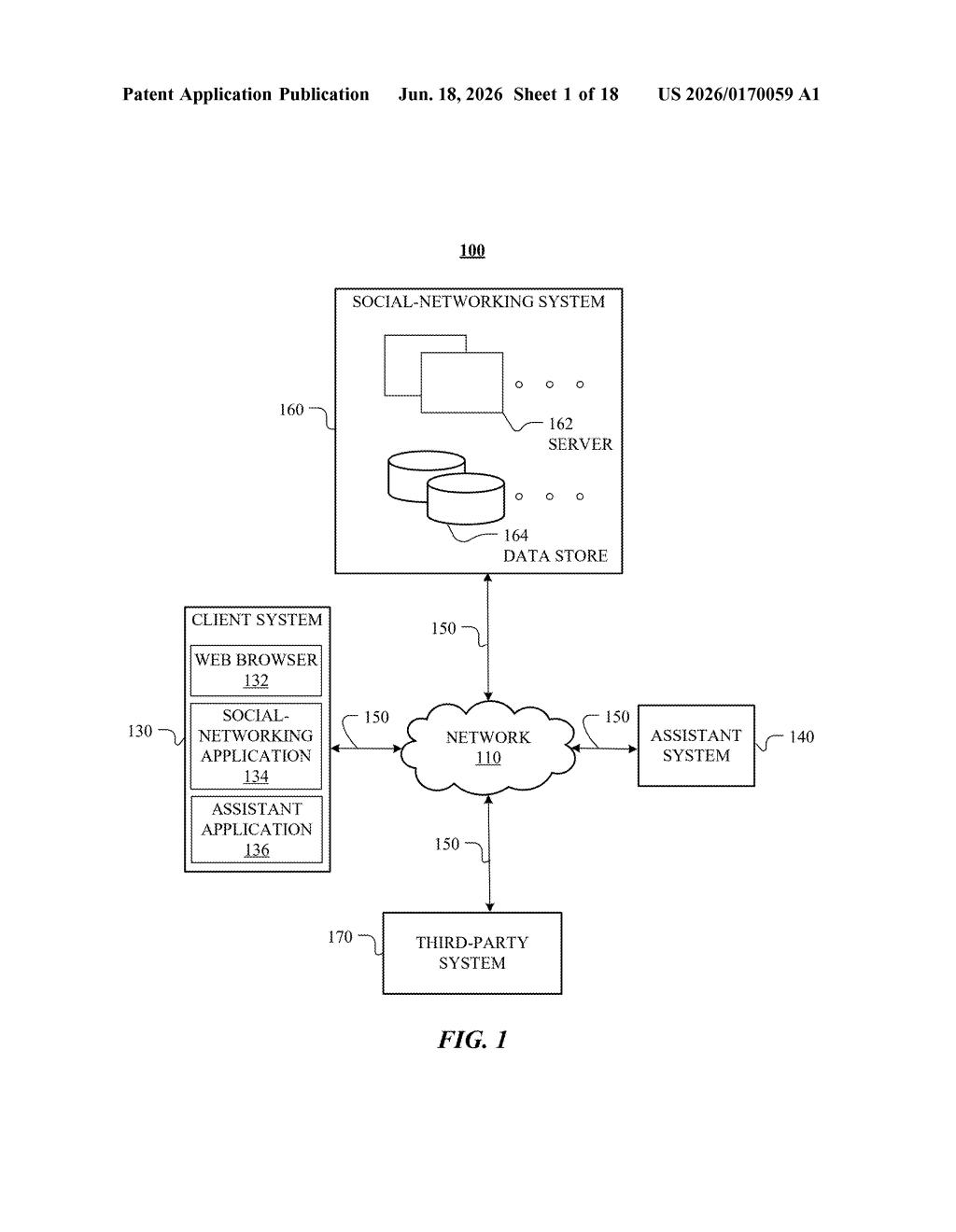
What Meta's voice auto-complete assistant actually does
Imagine you're wearing Meta's smart glasses and you start asking a question out loud. Before you finish, the assistant has already generated a few ways your sentence could end — and it offers them back to you as suggestions, either as text on a display, a spoken prompt, or some other format that fits your device.
That's the core idea in this Meta patent. When you start talking to the assistant, the system analyzes what you've said so far and produces candidate hypotheses — its best guesses at what you mean or where you're going. It then picks the right way to show you those guesses based on what kind of device you're using.
Think of it like the autocomplete bar on your phone keyboard, but for your voice — and smart enough to choose whether to show you the options on a screen, read them back to you, or display them some other way depending on your situation.
How the system picks and presents completion suggestions
The patent describes a system that intercepts voice input in real time and runs it through a candidate-generation process — producing multiple hypotheses (possible interpretations or completions of what the user is saying) before the utterance is even complete.
Once those candidates exist, the system does two things:
- Selects one or more suggested auto-completions to surface to the user, each tied to a specific candidate hypothesis
- Determines the best output modality — meaning it decides whether to deliver those suggestions as text on a screen, synthesized speech, or some other format — based on context and the capabilities of the device
The claim structure also references auto-responses, which suggests the system can go a step further: not just completing what the user started saying, but generating a full reply on their behalf that they could then confirm or dismiss.
The filing covers a generic "client system," which is deliberately broad — it could apply to smart glasses, a phone, a headset, or any device running Meta's assistant stack. The modality-selection piece is the more interesting engineering note: the system isn't locked into one output format, it adapts.
What this means for Meta's Ray-Ban glasses and Portal ambitions
For Meta, the real-world target here is almost certainly wearables — specifically Ray-Ban Meta smart glasses, which already run a voice assistant but have limited screen real estate and no persistent display. A system that can decide dynamically whether to speak a suggestion or show it could make hands-free voice interaction much less awkward.
More broadly, this patent reflects a wider push by AI companies to make voice assistants feel more like a conversation and less like a command-line interface. If your assistant can anticipate where you're going and offer a shortcut, you spend less time talking at a device and more time getting things done. Whether Meta's implementation actually delivers that is a question patents can't answer — but the intent is clear.
This is a real engineering problem worth solving: voice-only devices are clunky precisely because there's no autocomplete equivalent for speech. The modality-switching piece — where the system decides *how* to surface suggestions based on device context — is the genuinely interesting part. The patent's first independent claim was canceled, which is a yellow flag, but the rest of the filing still stakes out meaningful territory for Meta's wearables roadmap.
There are more where this came from
We read every patent application Big Tech publishes and send you the ones worth knowing. Plain English, free, every week.
Want this weekly breakdown for a company we don't cover? Patentlyze Pro →