
Nvidia's New Patent Maps a Car's Interior Before Deciding If the Driver Is Drowsy
Before a car's camera system can reliably tell if a driver is drowsy or a child is left in the back seat, it needs to understand the surfaces it's looking at. Nvidia's new patent tackles exactly that — using flashes of infrared light to build a detailed picture of the car's interior before drawing any conclusions about the people inside.
What Nvidia's in-cabin IR surface mapping actually does
Imagine trying to read someone's face in a room where the lighting keeps bouncing off shiny leather seats and reflective windows in unpredictable ways. A camera system that doesn't account for those reflections is going to make mistakes — it might misread a glare as a gesture, or miss the difference between an awake driver and an inattentive one.
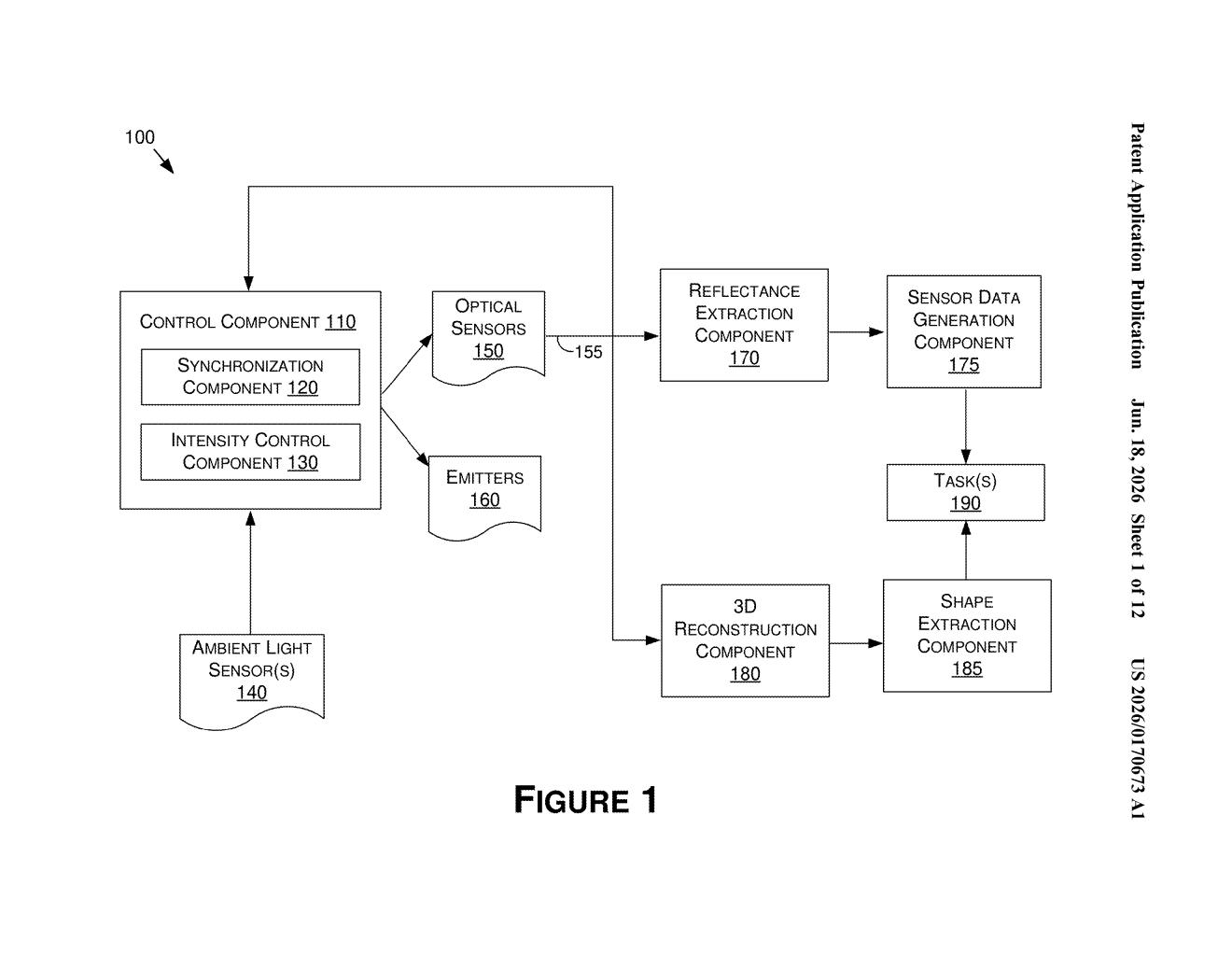
Nvidia's patent describes a system that fires multiple patterns of infrared (IR) light — invisible to the human eye — around a car's interior and uses several cameras to capture how those patterns reflect off every surface. By understanding how the seats, dashboard, and windows bounce light, the system can strip away confusing reflections and produce much cleaner images of the people inside.
The cleaner images then feed into tasks you've probably heard about: checking if the driver is paying attention, detecting if a child is in the back seat, recognizing faces, reading hand gestures, or even powering a video call from inside the car. It's groundwork that makes all those monitoring tools more reliable.
How the IR patterns and cameras extract surface data
The patent describes a processor-driven pipeline built around coordinated infrared illumination and multiple cameras placed around a vehicle's cabin. The cameras and IR light sources are synchronized so that each captured frame corresponds to a specific illumination pattern — think of it like taking a series of photographs, each lit from a slightly different angle.
From those multiple frames, the system extracts what engineers call a bidirectional reflectance distribution function (BRDF) — essentially a mathematical model of how every surface in the cabin (leather, fabric, glass, plastic) reflects light in every direction. Once the system knows that, it can predict and correct for misleading reflections in any future image.
The corrected imagery is then fed into a suite of downstream monitoring tasks, including:
- Gaze and attention detection (is the driver looking at the road?)
- Fatigue assessment
- Child presence and seatbelt detection
- Gesture and facial recognition
- High-dynamic-range (HDR) image generation for cleaner visuals
The patent also mentions the possibility of generating HDR images — the same technique phone cameras use to handle bright windows and dark interiors at the same time — by combining the differently-lit frames into a single well-exposed picture.
What this means for driver monitoring and autonomous vehicles
Driver monitoring is already required or strongly encouraged by regulators in the EU and increasingly in the US, so automakers are racing to make these systems more reliable. A camera that gets confused by a shiny seat or a beam of sunlight isn't safe to depend on. Nvidia's approach — understanding the physical properties of the cabin before interpreting what's in it — addresses one of the more stubborn real-world failure modes of in-cabin cameras.
Nvidia's DRIVE platform already powers in-cabin sensing in a number of vehicles. A patented surface-modeling layer on top of existing camera hardware would give automakers a way to improve monitoring accuracy without adding more sensors — which matters a lot when cost and space inside a car are always tight.
This is quiet but meaningful work in the driver-monitoring space. Nvidia isn't inventing a new sensor here — it's building a smarter way to use the cameras already heading into cars, and making the reliability case for regulators and automakers who need these systems to hold up in real-world lighting chaos. Worth watching if you follow the ADAS and autonomous vehicle stack.
There are more where this came from
We read every patent application Big Tech publishes and send you the ones worth knowing. Plain English, free, every week.
Want this weekly breakdown for a company we don't cover? Patentlyze Pro →