
Samsung Patents a Way to Monitor Multiple Screens Through the Video Signal Itself
Instead of running a separate cable or connection to check whether each screen in a multi-display wall is working properly, Samsung wants to tuck that diagnostic conversation directly inside the video signal — no extra wiring needed.
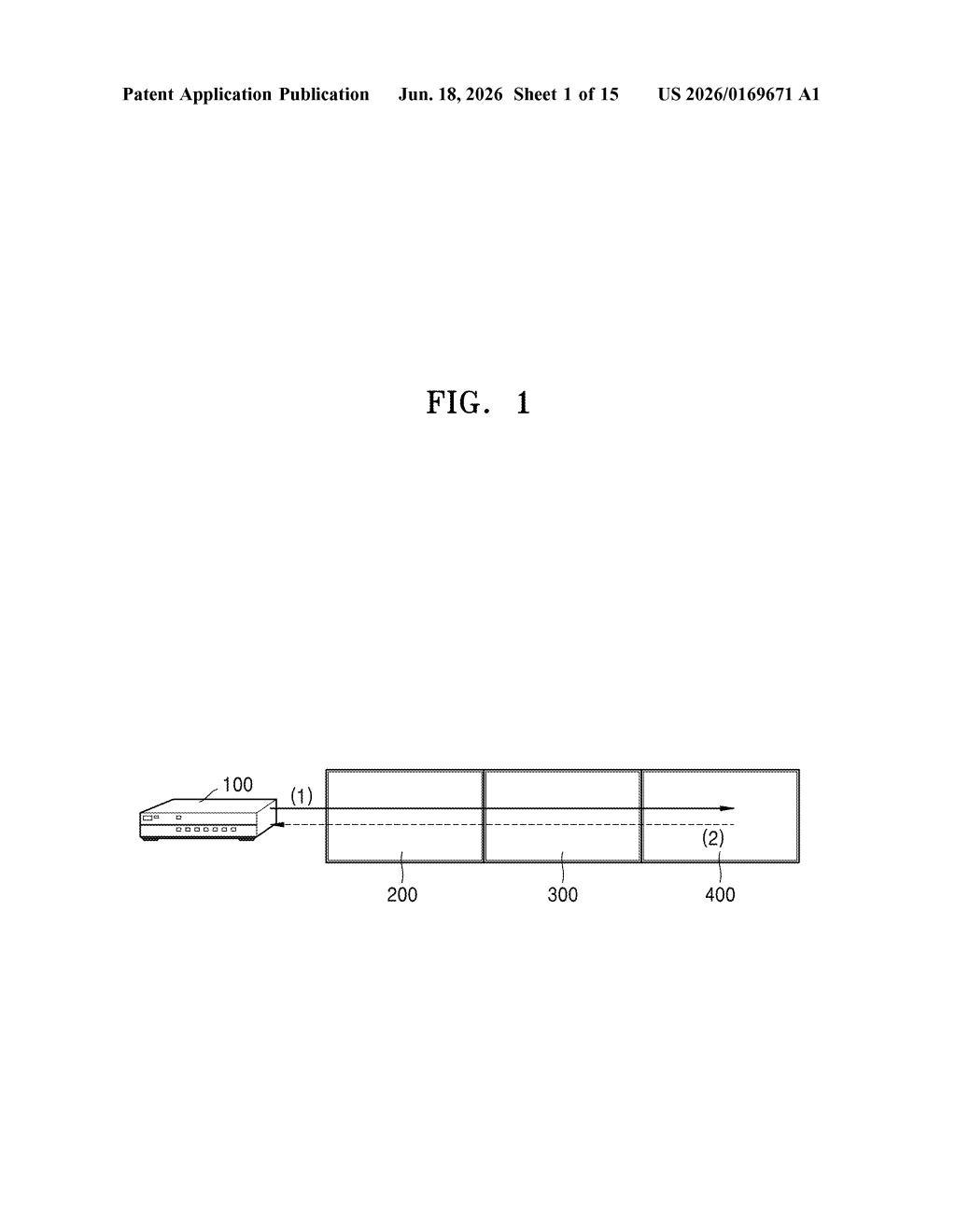
What Samsung's embedded display-status system actually does
Imagine a video wall in an airport or a retail store — dozens of screens tiled together showing one big image. Right now, if the system wants to know whether each panel is running correctly (brightness, temperature, errors), it often needs a separate communication channel to ask each screen one by one.
Samsung's patent describes a different approach: the source device — the computer or media player driving the display — sends a regular image frame with a small reserved section added to it. That reserved section is essentially a pre-addressed envelope asking each screen to report its status. As the frame travels through the chain of displays from the first panel to the last, each screen fills in its section of that envelope.
By the time the frame makes the round trip back to the source, the device already has a status report from every screen in the array — all without interrupting the video or adding new cables.
How status data rides inside a single image frame
The patent describes a system where a source device (the computer or controller feeding a multi-display setup) crafts a modified image frame. That frame contains three things:
- Normal image data — the pixels that actually get shown on screen.
- A status-request command — an instruction telling each display in the chain to write back its own health data.
- A pre-allocated data space — reserved slots inside the frame, one for each screen, where status data can be written.
This enriched frame is sent down the chain of displays. Each display reads its slice of the request, writes its own state information (things like operational status or error codes) into its assigned slot, then passes the frame along to the next screen in line.
When the frame has traveled through all N displays, the source device receives it back — now fully populated with status reports from every panel. Critically, this happens while the frame is being transmitted; it doesn't require a pause in video output or a dedicated diagnostic cycle.
The approach is essentially in-band monitoring (piggy-backing control data onto the existing data stream) applied to display chains, which are typically one-directional video pipelines.
What this means for multi-screen setups and display maintenance
Multi-screen installations — digital signage networks, control room video walls, broadcast monitors — are notoriously difficult to manage because each display is usually a passive receiver. Knowing which panel is overheating, failing, or running out of spec normally requires separate management hardware or periodic manual checks.
If Samsung ships this approach, operators of large display arrays could get continuous, automatic health reporting on every screen in the chain without retrofitting new infrastructure. For you as a consumer it's less visible, but it matters for the reliability of public displays you interact with daily — stadium scoreboards, airport departure screens, digital menus — where a single failed panel is expensive to diagnose quickly.
This is a sensible piece of display-chain engineering aimed squarely at the commercial and professional AV market, not something you'd notice in a living-room TV. The idea of embedding diagnostic data in the video signal itself is clean and practical, and it solves a real pain point for large-scale display operators. It won't generate headlines, but it's exactly the kind of quiet infrastructure patent that shows up in Samsung's enterprise display products within a few years.
There are more where this came from
We read every patent application Big Tech publishes and send you the ones worth knowing. Plain English, free, every week.
Want this weekly breakdown for a company we don't cover? Patentlyze Pro →