
Samsung Patents a Robotic Leg Brace That Takes Cues From a Cycling Workout
Samsung is working on a robotic wearable that doesn't just strap to your leg — it actively applies force to your joints based on where they should be during a cycling exercise. Think of it as a physical coach that pushes back when your knee isn't in the right position.
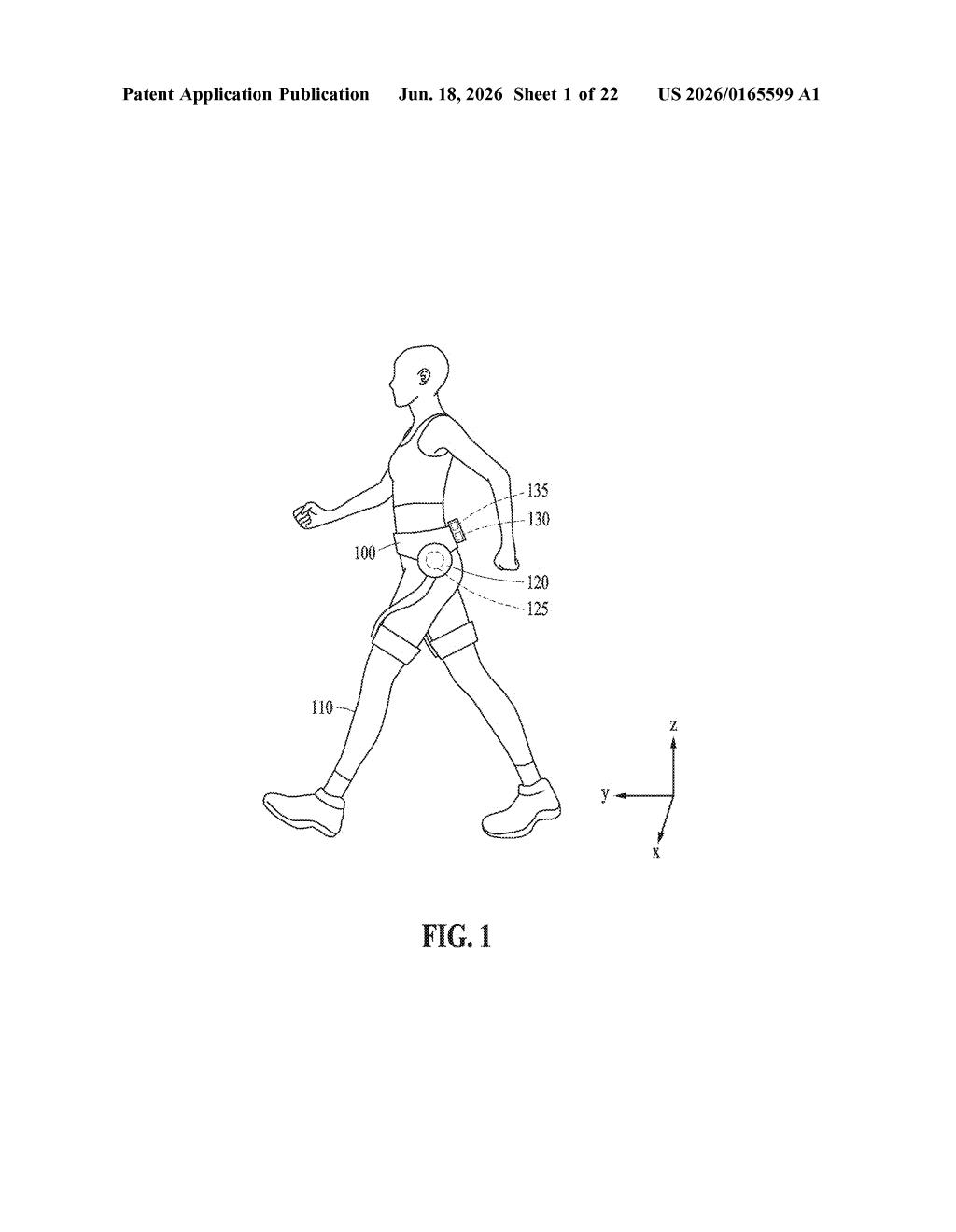
What Samsung's exercise-guided exoskeleton actually does
Imagine you're doing physical therapy after a knee injury, and a brace on your leg is actually guiding your movement — not just supporting it, but gently pushing your joints through the right range of motion at the right moment. That's the idea behind this Samsung patent.
The system pairs a robotic wearable (an exoskeleton-style device worn on the leg) with a cycling exercise program. As you pedal, sensors track the angle of your knee or hip joint in real time. If your joint reaches a specific target angle — the position it should be at that point in the pedal stroke — the device applies a precise amount of force to keep the motion on track.
You can think of it like cruise control for your knee. The program knows where your leg should be and when, and the wearable nudges you there if you drift off course. The electronic device running the program is what decides how much force to apply and when.
How the device matches joint angles to torque targets
The patent describes a control loop between a wearable robotic device and an external electronic device (such as a phone, tablet, or dedicated controller). The system works like this:
- The wearable device reads the current angle of a specific joint — say, the knee — using onboard sensors, then sends that data to the controlling device.
- The software compares that real-time angle against a target joint angle defined by the bicycle exercise program (essentially a choreographed map of where each joint should be at each phase of a pedal cycle).
- When the actual angle matches the target, the system calculates a torque value — the rotational force, in newton-meters — appropriate for that moment in the exercise.
- That torque command is sent back to the wearable, which physically applies it to the joint via motors or actuators built into the device.
The key design choice here is angle-triggered torque delivery: force isn't applied on a fixed timer, but only when the joint hits the right position. This makes the assistance responsive to how the user is actually moving, rather than forcing a rigid, pre-timed motion onto them.
What this means for rehab and assisted-movement tech
Robotic exoskeletons are already used in clinical rehab settings, but they tend to be expensive, hospital-bound machines. A patent like this points toward consumer or at-home rehabilitation wearables — devices that could help stroke survivors, post-surgical patients, or people with mobility impairments do guided exercise outside a clinic. Samsung has been building out its health device portfolio, and a motorized wearable that integrates with exercise programs is a logical next step.
For you as a potential user, the practical upside is that this kind of system could make physical therapy more consistent — the device doesn't get tired, doesn't lose track of the program, and applies the same corrective force every single rep. Whether that translates to better outcomes than human-guided therapy is a clinical question this patent doesn't answer, but the engineering framework is clearly aimed at that goal.
This is a focused, well-scoped patent covering a specific control method for a specific exercise type — cycling — rather than a sweeping claim over all exoskeleton technology. That's actually a good sign for real-world viability; narrow patents tend to reflect actual engineering work rather than speculative placeholder filings. Samsung's interest in health wearables makes this worth watching.
There are more where this came from
We read every patent application Big Tech publishes and send you the ones worth knowing. Plain English, free, every week.
Want this weekly breakdown for a company we don't cover? Patentlyze Pro →