
Samsung Patents a System That Powers Down Idle Network Lanes by App Type
Your phone maintains multiple parallel network channels even when most of them are doing nothing — Samsung's new patent wants to fix that by automatically switching off the lanes an app doesn't need.
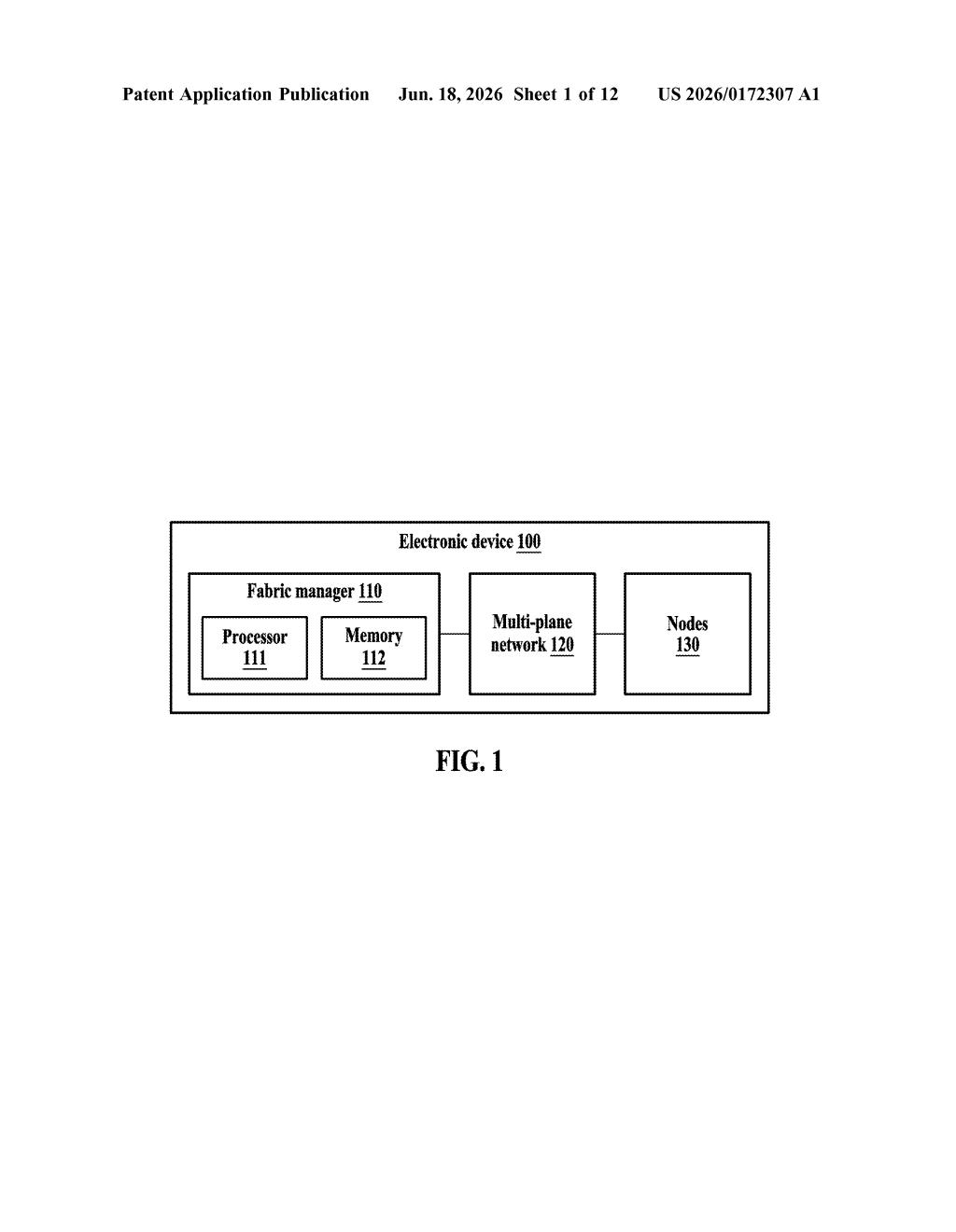
What Samsung's app-aware network shutoff actually does
Think of your phone's cellular connection like a highway with several lanes. Even when you're just streaming music, all those lanes stay open and burning power — because your phone doesn't know that only one lane is actually needed right now.
Samsung's patent describes a system that checks what app you're using, figures out how busy each network lane currently is, and then closes the ones that aren't needed. Open a lightweight app that barely touches the network? The system shuts down the spare lanes to save energy. Switch to something data-hungry? They open back up.
The goal is to stop your device from wasting power keeping network infrastructure alive when nothing is using it — a small but real drain that adds up over the course of a day.
How the system reads app traits and plane usage data
The patent describes a method for managing a multi-plane network — a cellular architecture where data travels across several independent logical channels called "planes" simultaneously. Each plane can carry different types of traffic, and all of them consume power whether they're busy or not.
The system works in three steps:
- Identify the app's characteristics — when an app requests to run, the processor checks what kind of network behavior it typically needs (low bandwidth, real-time, bursty data, etc.).
- Read plane utilization information — it collects live data on how loaded or idle each individual plane currently is.
- Deactivate unused planes — based on either the app's profile, the current usage data, or both, it switches one or more planes into a deactivated state.
The key word is "deactivated" rather than fully off — the planes can presumably be reactivated quickly when demand changes. This is closer to a sleep state than a full shutdown, which matters for keeping connectivity responsive.
What this means for device battery life and network efficiency
Multi-plane networking (used in modern 5G and some Wi-Fi architectures) was designed for throughput, not efficiency. Keeping all planes alive at idle is a known power cost that device makers haven't fully addressed at the software level. A patent like this sits at the intersection of OS-level app awareness and radio resource management — territory that matters a lot for battery life on always-connected devices like phones and tablets.
For you as a user, the payoff would be modest but real: a phone that recognizes you're on a podcast app and quietly dials back network overhead it doesn't need. Whether Samsung ships this in a Galaxy device or folds it into its modem firmware is a different question, but the underlying problem is genuine.
This is a legitimate optimization problem, and the three-step approach — profile the app, measure the planes, deactivate what's idle — is sensible engineering. It's not a headline feature anyone will notice, but battery life improvements from smarter radio management are exactly the kind of thing that compounds into a meaningfully better day of use. Worth a quiet watch on Samsung's modem and One UI roadmap.
There are more where this came from
We read every patent application Big Tech publishes and send you the ones worth knowing. Plain English, free, every week.
Want this weekly breakdown for a company we don't cover? Patentlyze Pro →