
IBM Patents a Way to Snap Quantum Computer Chambers Together Like Building Blocks
Quantum computers have to run at temperatures colder than outer space — and right now, that's a serious bottleneck on how big they can get. IBM is patenting a way to snap multiple frozen chambers together like modular blocks.
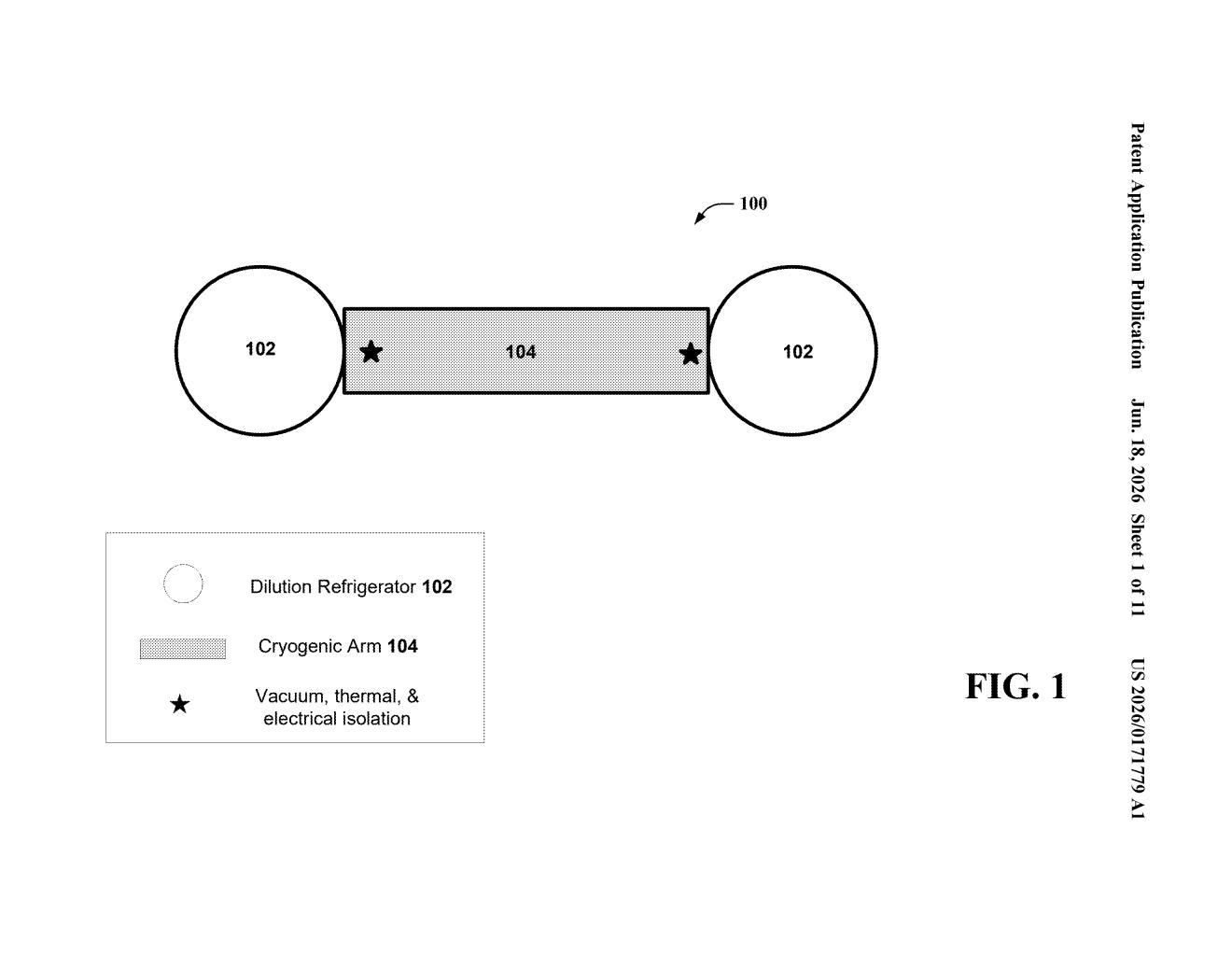
What IBM's modular cryo-connector actually does
Imagine your home freezer, but instead of 0°F, it needs to stay just a hair above absolute zero — roughly -459°F. That's the environment a quantum computer requires to function. The problem is, those ultra-cold enclosures (called cryogenic chambers) are very hard to build big, and making one giant chamber is expensive and technically brutal.
IBM's patent describes a connector that lets engineers link two or more of these separate cold chambers together like building blocks, while keeping an airtight, vacuum-sealed bond between them. Signals can travel between the chambers through the connector without breaking the frozen environment inside.
The idea is essentially to stop trying to cram everything into one enormous refrigerator and instead snap smaller ones together as needed. That could make it far easier to scale quantum computers up without redesigning the whole cooling system from scratch.
How the vacuum-sealed connector links the chambers
The patent describes a cryogenic connector — a physical joining piece that bonds two or more separate cold chambers together while maintaining a vacuum-tight seal. That seal is critical: any leak of warm air or gas would instantly destroy the ultra-low temperatures quantum hardware depends on.
Inside the connector sits a fixed signal-carrying member — essentially a carefully engineered conduit that passes quantum signals from the wiring inside one chamber to the wiring inside the next. This allows the separate chambers to act, from a signals perspective, as a single connected system even though they are physically distinct enclosures.
The modular design means you could, in theory, add chambers incrementally rather than building one monolithic cryostat (the technical term for the entire refrigeration vessel). Each chamber can be attached or detached through the standardized connector interface.
The patent's first claim is notably minimal — it stakes out the core idea of two or more cryogenic chambers joined by a connector with a vacuum-tight seal, leaving room for a broad range of specific implementations to be covered by dependent claims.
What this means for building bigger quantum machines
The single biggest obstacle to practical quantum computing isn't the qubits themselves — it's the cooling infrastructure. Today's quantum processors are essentially prisoners of a single refrigerator. If you want more qubits, you need a bigger fridge, and bigger fridges become exponentially harder and more expensive to engineer.
A modular connector approach could let IBM (and eventually others) grow quantum systems horizontally rather than vertically — adding capacity by attaching new chambers rather than rebuilding the whole thing. For you as a potential user, this could eventually translate into cloud-accessible quantum systems with far more processing power than what exists today, without waiting for a single engineering moonshot.
This is foundational infrastructure work, not a flashy qubit breakthrough — but it's the kind of patent that actually matters for getting quantum computers out of the lab. The claim is broad enough to suggest IBM is staking early territory on modular cryo-architecture as a whole, which is smart positioning if the field moves in that direction. Don't expect a product announcement soon, but do expect IBM to reference this filing when competitors start talking about scalable quantum hardware.
There are more where this came from
We read every patent application Big Tech publishes and send you the ones worth knowing. Plain English, free, every week.
Want this weekly breakdown for a company we don't cover? Patentlyze Pro →