
IBM's New Patent Wants AI to Hunt Down the Hidden Defects Disrupting Its Quantum Computers
Quantum computers are plagued by tiny, unpredictable energy traps inside their hardware — and IBM wants a machine learning model to hunt them down and neutralize them automatically.
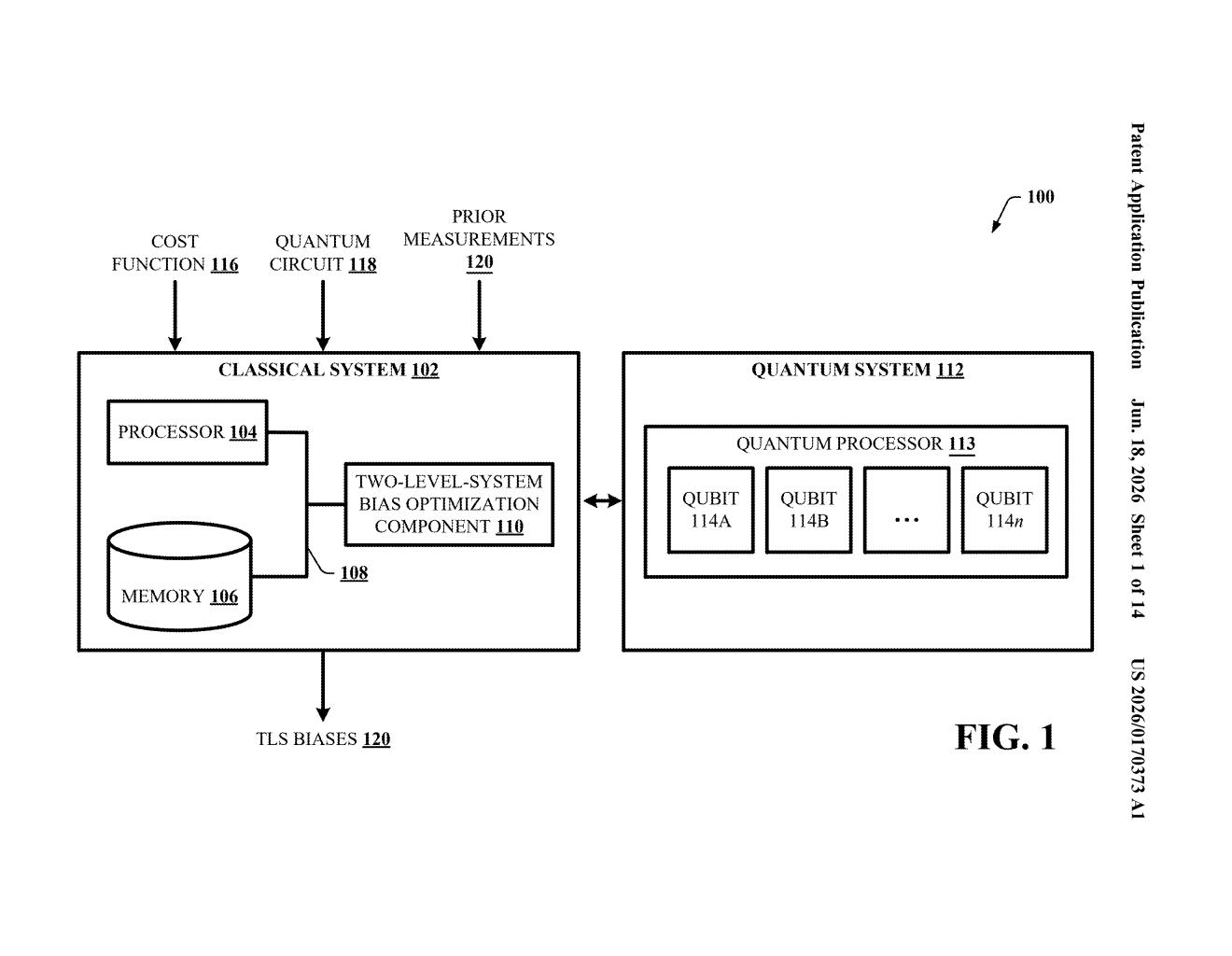
What IBM's quantum noise-reduction system actually does
Imagine your Wi-Fi router slowly drifts off its best channel over time, and you have to keep manually tuning it to get a good signal. Quantum computers face something similar, but far more disruptive. Tiny physical defects inside the hardware — called two-level systems, or TLS — act like static on the line, constantly interfering with the delicate calculations the machine is trying to run.
IBM's patent describes a system that watches how a quantum computer behaves over time, learns the patterns behind that interference, and then uses a machine learning model to predict the best settings — called biases — to push those disruptive defects out of the way. Instead of a human engineer tweaking knobs, the system figures it out on its own based on past measurements.
The goal is to keep the quantum computer performing well without constant manual intervention. That's a meaningful step toward making quantum hardware more practical, since these interference effects are one of the biggest reasons today's quantum machines make so many errors.
How the ML model learns and predicts optimal TLS bias settings
The patent covers a software system with three main components working together:
- Measurement component: Gathers a reference dataset by observing how the quantum system behaves — essentially taking a history of how noise and interference have shown up over time.
- Training component: Uses that history to train a machine learning model, determining both its parameters (the model's internal weights, tuned during learning) and its hyperparameters (higher-level settings that control how the learning process itself works).
- Prediction component: Runs the trained model to predict the optimal TLS biases — voltage or magnetic field adjustments applied to the quantum chip — that minimize a cost function (a mathematical score measuring how bad the interference currently is).
The two-level systems (TLS) in question are microscopic quantum defects that naturally occur in the materials used to build superconducting quantum processors. They absorb and re-emit energy at frequencies that overlap with the qubits (the quantum computer's basic computing units), causing errors. By predicting the right bias settings from prior measurement data, the system steers those defects away from the operating frequencies of the qubits.
The ML model is essentially learning the fingerprint of each machine's noise behavior and using it to stay one step ahead.
What this means for making quantum computers more reliable
TLS interference is one of the most persistent hardware challenges in superconducting quantum computing — the dominant architecture used by IBM, Google, and others. Today, managing it often requires manual calibration or brute-force sweeping through possible settings, which is time-consuming and doesn't scale well as quantum processors add more qubits.
A system that learns from measurement history and predicts the right settings automatically could meaningfully reduce the calibration burden on quantum hardware teams — and potentially improve the consistency of results you'd get running a quantum workload. It won't solve all of quantum computing's error problems, but it attacks a real, well-documented one.
This is genuinely useful, unglamorous engineering work. TLS noise is a known bottleneck in superconducting quantum hardware, and applying machine learning to automate bias optimization is a logical and practical approach. It won't generate headlines about quantum supremacy, but the labs trying to run reliable quantum workloads will care about it.
There are more where this came from
We read every patent application Big Tech publishes and send you the ones worth knowing. Plain English, free, every week.
Want this weekly breakdown for a company we don't cover? Patentlyze Pro →