What the filings show
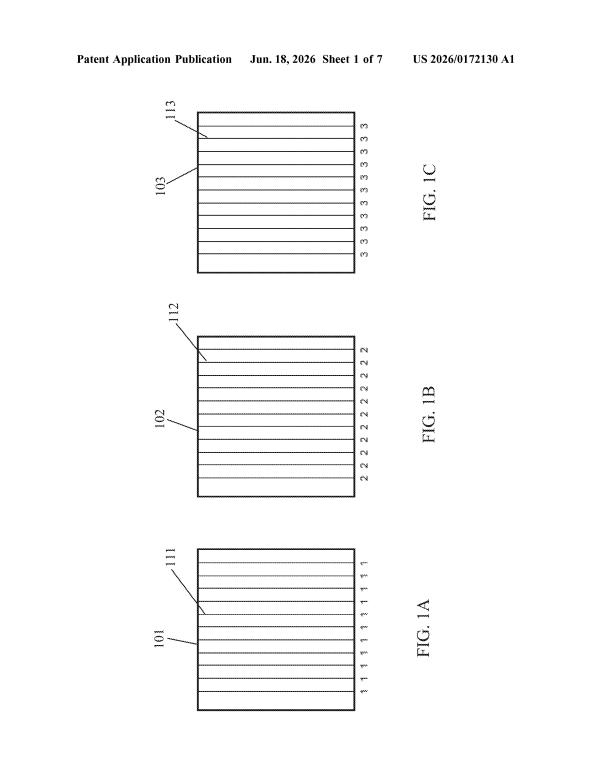
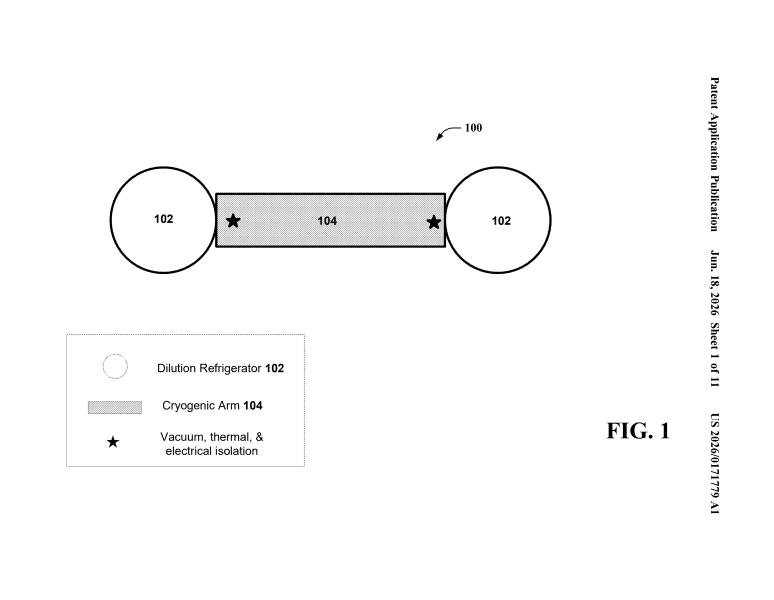
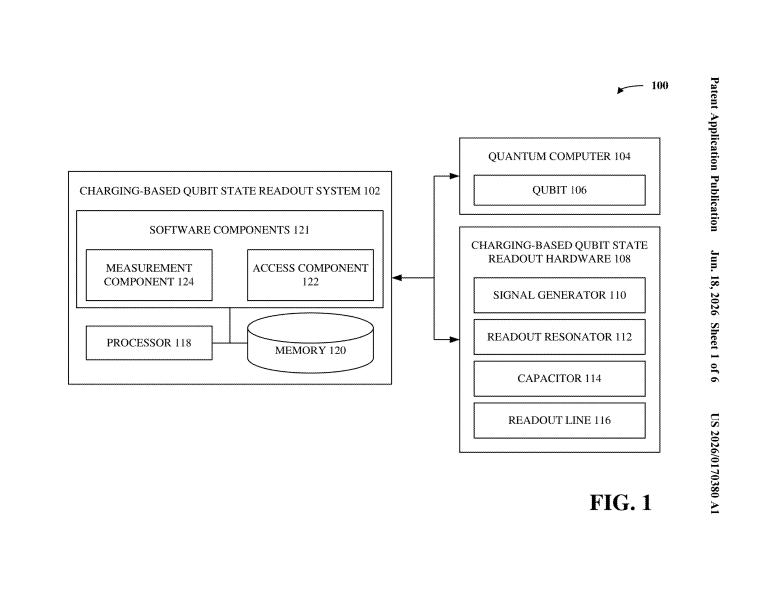
The hardware filings cluster around getting signals in and out of a quantum chip without interference. IBM's flux-tunable superconducting switch handles signal routing, while a separate patent describes an interleaved wiring layout meant to cut interference between adjacent wires. Another filing addresses the practical problem of assembling quantum hardware itself, describing chambers that snap together like building blocks, a hint that IBM is thinking about manufacturing and serviceability alongside pure physics.
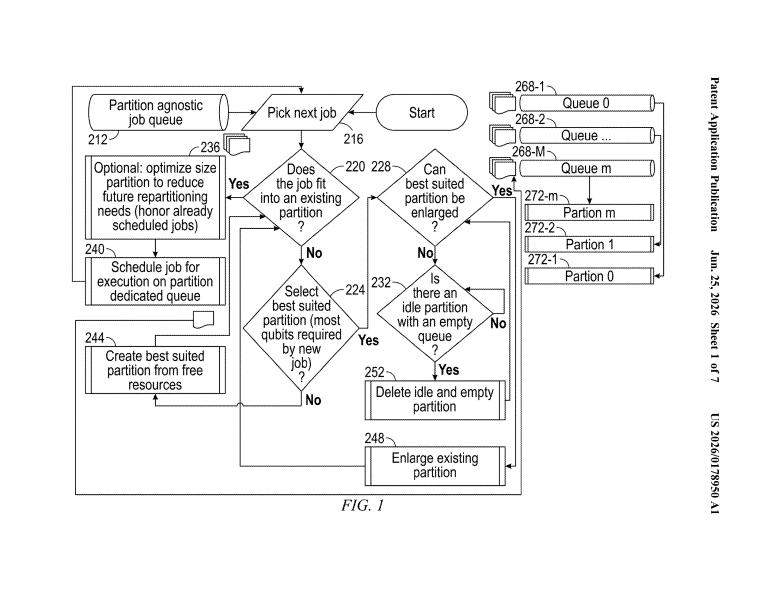
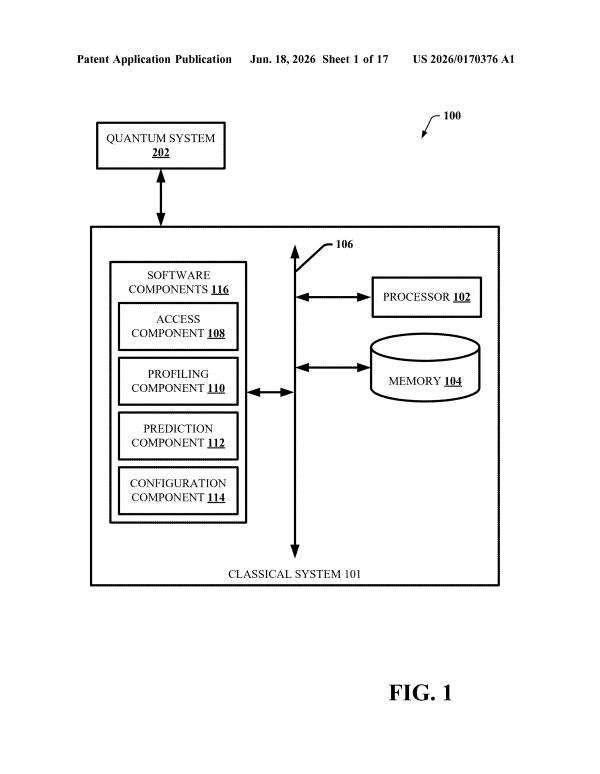
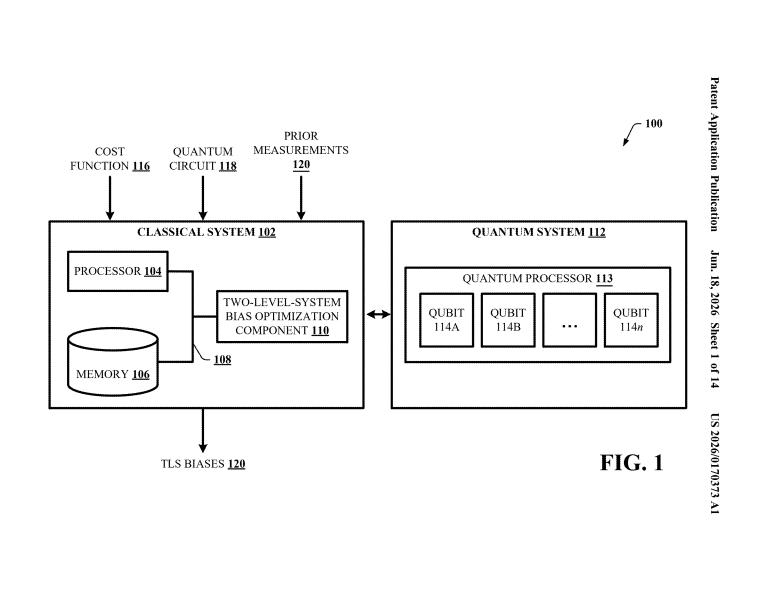
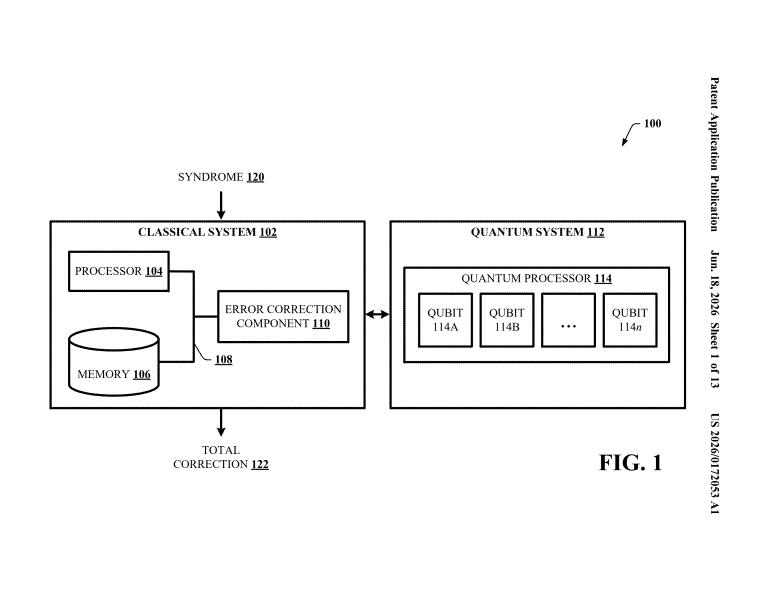
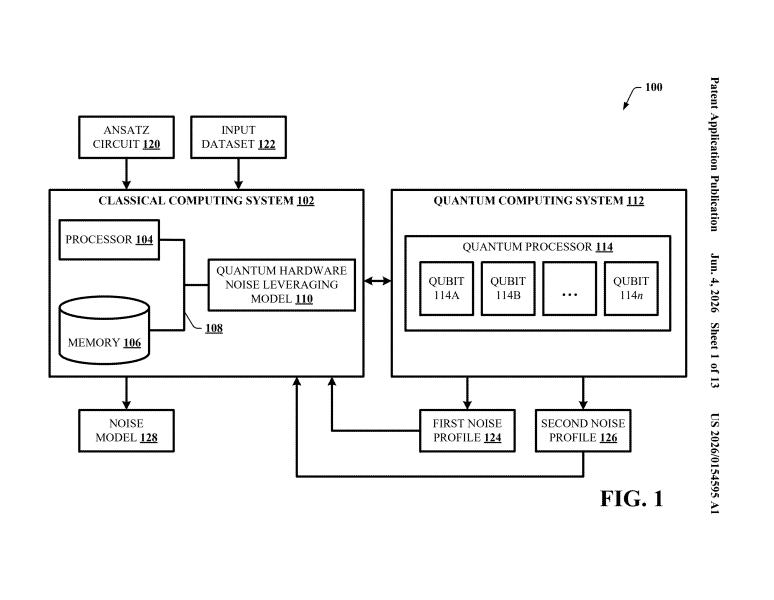
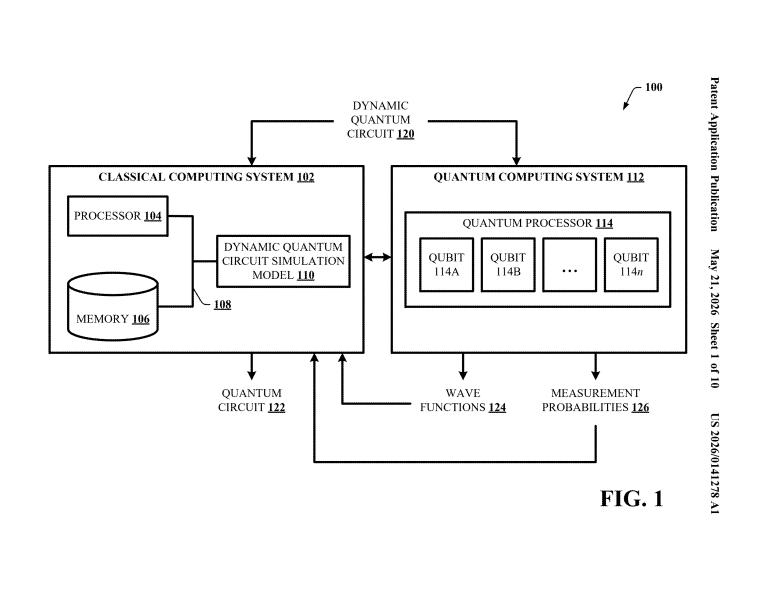
On the software side, the filings focus on predicting and managing what happens once a circuit runs. A neural network forecasts circuit outputs before execution, a parallelizable simulator speeds up modeling of dynamic circuits, and a separate system estimates the computing resources a job will need in advance. IBM also patents a system that treats hardware noise as usable information rather than pure error, and a two-step error-correction method aimed at catching mistakes faster.
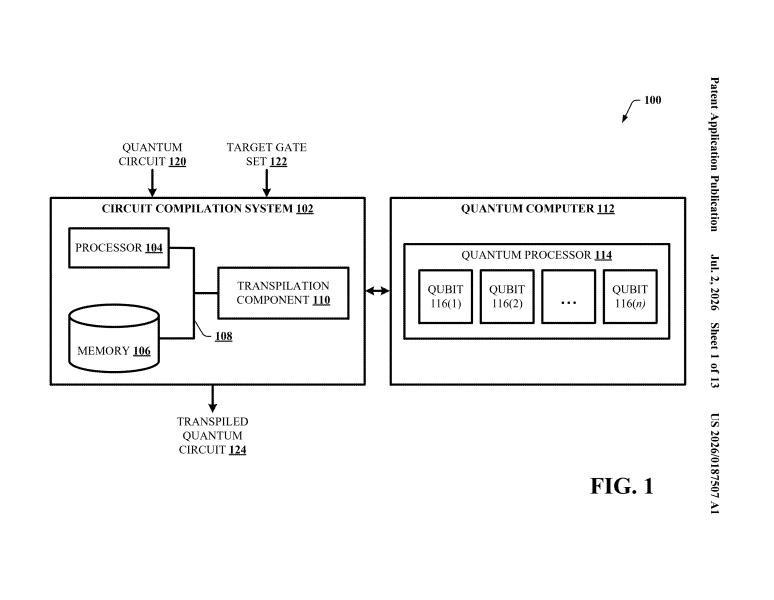
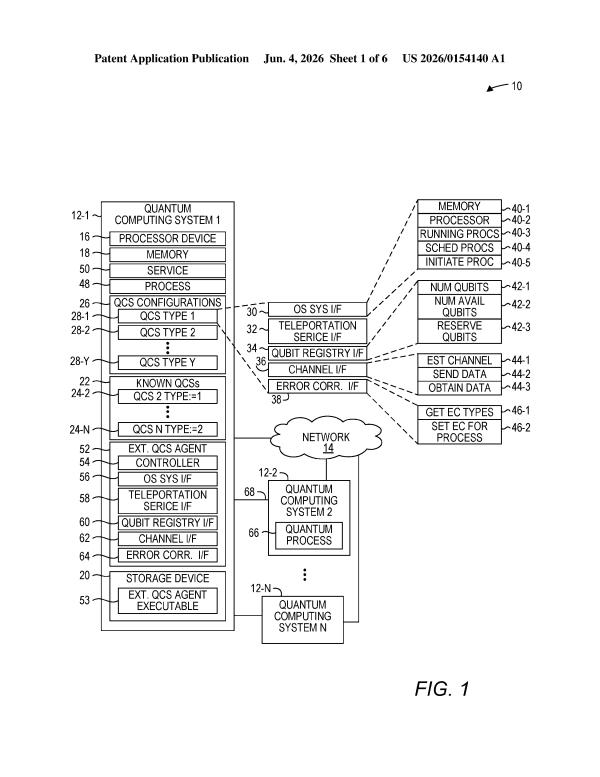
A smaller cluster looks outward, toward compatibility. Red Hat's middleware layer aims to connect quantum computers from different vendors, and a related filing describes automatically rewriting quantum programs so they run on hardware they weren't originally written for. A few filings sit further afield, including AI that hunts for hidden hardware defects and a physical ball meant to control quantum programs by rolling, signs that IBM is still experimenting with how people might interact with these systems day to day.
Questions readers ask
What kinds of problems does IBM's quantum patent portfolio address?
The filings span hardware issues like signal routing, wiring interference, and cryogenic assembly, as well as software problems like predicting circuit outputs, managing noise, and estimating resource needs before a job runs. Together they describe an effort to make quantum computers more practical to build and operate, alongside making them more powerful.
Is Red Hat actually building quantum software, or is this just IBM?
Red Hat appears in filings focused on interoperability, including a middleware layer that connects quantum computers from different vendors and a system for rewriting quantum programs across hardware types. That suggests IBM is working with Red Hat specifically on the software layer that lets different quantum systems talk to each other.
Do these patents mean IBM has working quantum products?
No. A patent filing describes an idea IBM wants to protect, not a shipped product. Some filings here, like a ball-based programming controller, read more like exploratory research than something headed for a data center anytime soon.
Why do so many filings focus on error and noise?
Quantum computers are unusually sensitive to errors and noise, and several filings address that from different angles: one method treats noise as usable information rather than a flaw, another focuses on faster two-step error correction, and a third uses AI to hunt for hidden hardware defects. Reliability is a recurring concern across the storyline.