
IBM Patents a Split-Path Method for Reading Quantum Computer Bits
Reading the state of a qubit — the fundamental unit of a quantum computer — is one of the trickiest parts of the whole operation. IBM has filed a patent for a method that splits the signal path into two to do it more cleanly.
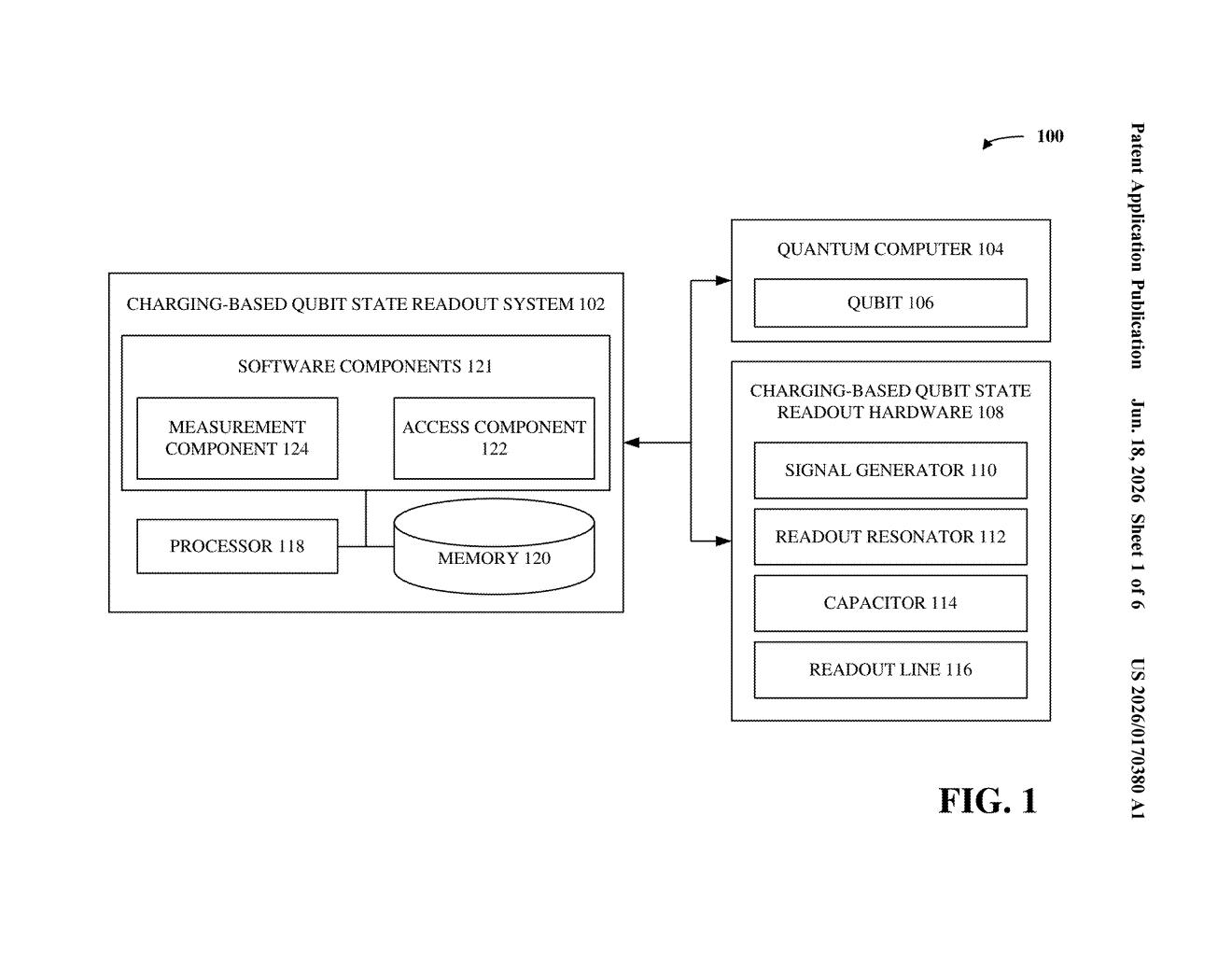
How IBM's qubit readout trick actually works
Imagine trying to check whether a light switch is on or off without actually touching it, because touching it might flip it. That's roughly the challenge quantum computers face every time they try to read a qubit. Qubits are incredibly fragile, and the act of measuring them can disturb the very data you're trying to read.
IBM's patent describes a device that tackles this by splitting the readout signal into two separate paths. One path connects to a special component called a readout resonator — think of it as a tuning fork that vibrates differently depending on the qubit's state. The other path is deliberately kept isolated, acting as a reference. By comparing what comes back from both paths, the system can figure out the qubit's state with less noise getting in the way.
The core idea is about separating "signal" from "background" at the hardware level, which could help make quantum computers more accurate and less error-prone.
Inside IBM's split-line qubit measurement setup
The patent describes a device built around a readout resonator — a component that couples (links) to a qubit and changes its resonant frequency depending on whether the qubit is in a 0 or 1 state. A processor then reads that frequency shift to determine the qubit's state.
The novel element here is in how the signal travels to do that reading. Rather than a single readout line, the line splits into two paths:
- First path: Connected to the readout resonator, so it picks up the signal shaped by the qubit's state.
- Second path: Deliberately isolated from the resonator, giving the system a clean reference signal with no qubit influence.
This architecture is described as charging-based readout, which refers to using charge — the accumulation of electrical energy — as the sensing mechanism rather than relying solely on traditional microwave reflection techniques.
The comparison between the two paths lets the processor extract the qubit state information more precisely, since the isolated path helps cancel out background interference (noise that would otherwise muddy the measurement). This kind of differential measurement approach is well established in classical electronics but applying it carefully in the quantum domain — where everything is extremely sensitive — is the engineering challenge IBM is addressing here.
What this means for quantum computing reliability
Qubit readout errors are a major bottleneck in today's quantum computers. If you can't reliably tell whether a qubit is a 0 or a 1, the rest of the computation is unreliable regardless of how good the other hardware is. A cleaner readout mechanism directly reduces error rates, which is one of the most important metrics in quantum computing today.
IBM is already one of the leading quantum hardware companies, with its public-facing quantum systems and the Qiskit software ecosystem. A patent like this suggests the company is continuing to push on the measurement side of quantum hardware — an area that doesn't get as much public attention as qubit counts or clock speeds, but arguably matters just as much for making quantum computers practically useful.
This is a focused, incremental engineering patent rather than a conceptual leap — IBM is refining how qubits are measured, not reinventing what a qubit is. That said, readout fidelity is a real and pressing problem in quantum hardware, so incremental progress here is genuinely valuable. Don't expect a press release, but do expect this kind of work to quietly show up in future IBM quantum processor specs.
There are more where this came from
We read every patent application Big Tech publishes and send you the ones worth knowing. Plain English, free, every week.
Want this weekly breakdown for a company we don't cover? Patentlyze Pro →