
Adobe Patents a System That Cuts Out Multiple Photo Objects at Once
Selecting objects in a photo one at a time is one of the oldest headaches in photo editing. Adobe is filing patents to do it all at once, automatically.
What Adobe's auto-cutout system actually does
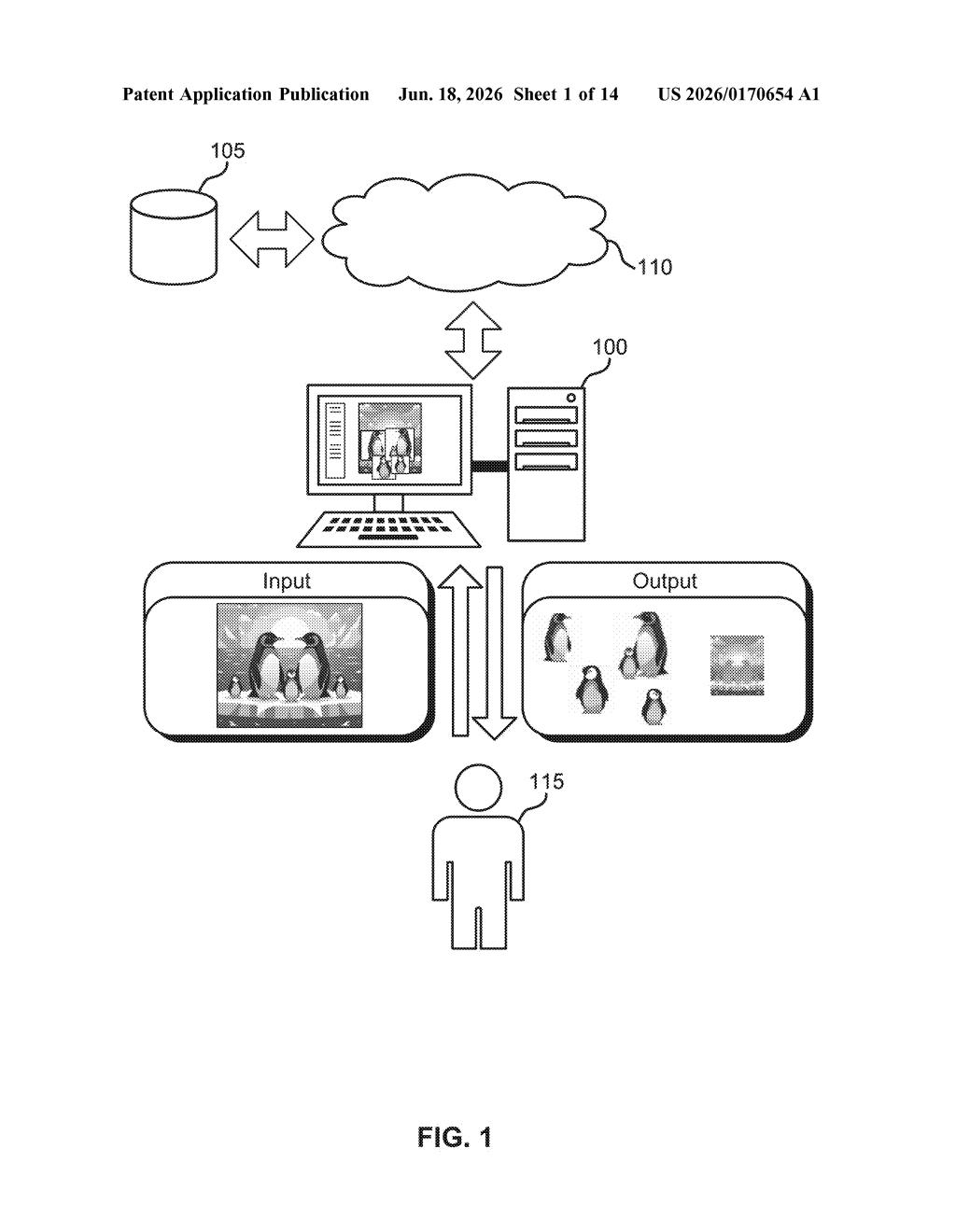
Imagine you have a photo with two people, a dog, and a coffee cup, and you want to pull each one out onto its own layer. Today, most tools make you click each object separately, wait, and repeat. Adobe's patent describes a system that spots every object in the image first — like a scout — and then cuts them all out in a single pass.
The system works in two steps behind the scenes. First, a model scans the photo and marks where each object is, either by drawing a box around it or pinpointing its center. Then a second model uses those marks as instructions to trace precise outlines — what the patent calls masks — around each object at the same time.
The key word in the patent title is real-time, which suggests Adobe is aiming for this to happen fast enough that you'd see results as you work, not after a loading screen.
How detection feeds Adobe's segmentation pipeline
The patent describes a two-stage pipeline for isolating objects in photos automatically and simultaneously.
Stage one — object detection: An object detection model scans the image and outputs a location for each object it finds. That location can take two forms: a bounding box (a rectangle drawn tightly around the object) or a centroid point (a single coordinate marking the object's center of mass). These are lightweight representations — they don't trace the object's exact shape yet, they just say "something is here."
Stage two — segmentation: A separate segmentation model takes those location hints as inputs and produces a mask for each object — essentially a pixel-by-pixel map of exactly which parts of the image belong to that object and which don't. Critically, the patent covers doing this for multiple objects in the same image in one operation, rather than looping through them one at a time.
The pipeline's real-time framing suggests the detection and segmentation steps are designed to run quickly enough for interactive use — the kind of speed you'd need inside a live editing tool where users expect instant feedback.
What this means for Photoshop and Creative Cloud
For anyone who uses Photoshop, Lightroom, or Adobe Express, this kind of technology is the engine behind features like "Remove Background" and "Select Subject." What the patent adds is the idea of handling multiple objects simultaneously, which today's single-object tools don't do cleanly. If this makes it into a shipping product, selecting every person in a group shot — or every product in a catalog image — could become a one-click operation instead of a tedious sequence of steps.
For Adobe as a company, this is also table-stakes territory. Competitors like Canva, Figma, and even smartphone cameras already offer quick background removal. Adobe needs its AI selection tools to be faster and more capable to justify the Creative Cloud subscription price. A real-time multi-object pipeline would be a meaningful step in that direction.
This patent covers a genuinely useful workflow improvement, but the claim as written is fairly broad and abstract — two models chained together is a well-established pattern in computer vision. Whether Adobe's specific implementation has enough novelty to hold up is a separate question, but the underlying user need is real and worth solving.
There are more where this came from
We read every patent application Big Tech publishes and send you the ones worth knowing. Plain English, free, every week.
Want this weekly breakdown for a company we don't cover? Patentlyze Pro →