
Qualcomm Patents a Location System That Keeps Multiple 'Where Are You?' Guesses Alive at Once
GPS works great in open sky, but the moment you step into a mall, a parking garage, or a dense city block, location accuracy can fall apart fast. Qualcomm's new patent tries to fix that by letting a device hold several location guesses simultaneously — and use a virtual model of the real world to sort out which one is right.
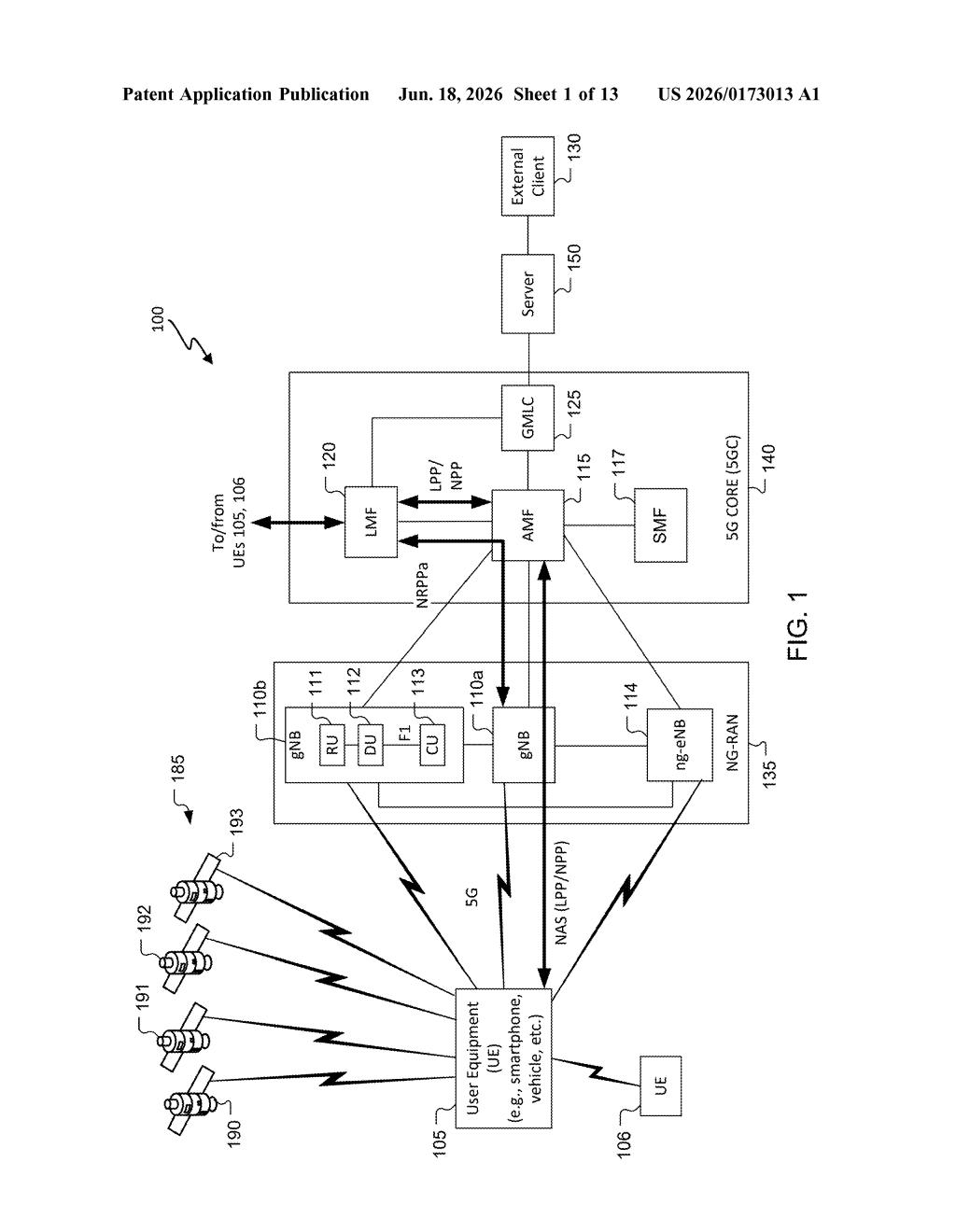
What Qualcomm's digital twin positioning actually does
Imagine you're navigating through an airport and your phone's map freezes because it can't decide whether you're near gate A12 or B4. Normal location systems make a single best guess and commit to it — which means one wrong turn in the data sends everything off course.
Qualcomm's approach keeps several location possibilities open at the same time, like a detective holding multiple suspects before the evidence narrows things down. The twist is that it gets help from a digital twin — essentially a detailed virtual replica of a physical space, like a 3D model of a building or a city block — which provides extra data to help decide which guess is most likely correct.
The device receives that guidance data from the digital twin system and uses it to run what the patent calls "multi-hypothesis positioning." In plain terms: your device doesn't lock in a bad guess too early, giving it a better shot at figuring out exactly where you are.
How the digital twin feeds location hypotheses to a device
The patent describes a system with two main players: a digital twin function (a server-side virtual model of the physical environment) and the apparatus (the device being located, likely a smartphone or IoT device on a cellular network).
The digital twin sends what the patent calls multi-hypothesis positioning assistance data — essentially a structured package of possible location scenarios, along with environmental context (signal behavior, building geometry, obstacle data) that helps evaluate each one. Think of it as the virtual world sending the real device a cheat sheet of "here are the plausible places you could be, and here's what signals should look like from each."
The device then uses that data to run a multi-hypothesis positioning algorithm — a technique (common in robotics and autonomous vehicles) where multiple position estimates are maintained in parallel and scored against incoming sensor data until one hypothesis wins out:
- Receive candidate location hypotheses from the digital twin
- Compare each against live signal measurements (like 5G timing or Wi-Fi fingerprints)
- Prune unlikely hypotheses as more data arrives
- Commit to the best-supported location estimate
The patent's claim is broad and foundational — it covers the basic act of receiving digital-twin-sourced assistance data and deciding to use it for multi-hypothesis positioning, which suggests Qualcomm is staking out early IP territory in this approach.
What this means for GPS-challenged indoor positioning
Indoor and urban location accuracy has been a stubborn problem for years. GPS signals bounce off buildings and disappear inside structures, and current fallback methods — Wi-Fi triangulation, cell tower estimates — can put you half a block away from where you actually are. A system that maintains multiple parallel guesses, informed by a digital model of the actual environment, could meaningfully close that gap, especially as 5G positioning features mature.
For you as an end user, this could mean turn-by-turn directions that don't lose the plot inside a stadium or a hospital. For Qualcomm specifically, whose chips power the vast majority of Android phones and cellular modems worldwide, getting this technology into modem firmware would mean it ships inside nearly every premium smartphone on the market.
The patent claim itself is extremely broad — it basically covers the concept of "use a digital twin to help with multi-hypothesis positioning" without much technical specificity, which means it reads more like a territory grab than a detailed engineering disclosure. The underlying idea is genuinely interesting and addresses a real problem, but the filing as published tells us very little about how Qualcomm actually plans to implement it. Watch for continuation patents with more technical meat before reading too much into this one.
There are more where this came from
We read every patent application Big Tech publishes and send you the ones worth knowing. Plain English, free, every week.
Want this weekly breakdown for a company we don't cover? Patentlyze Pro →